

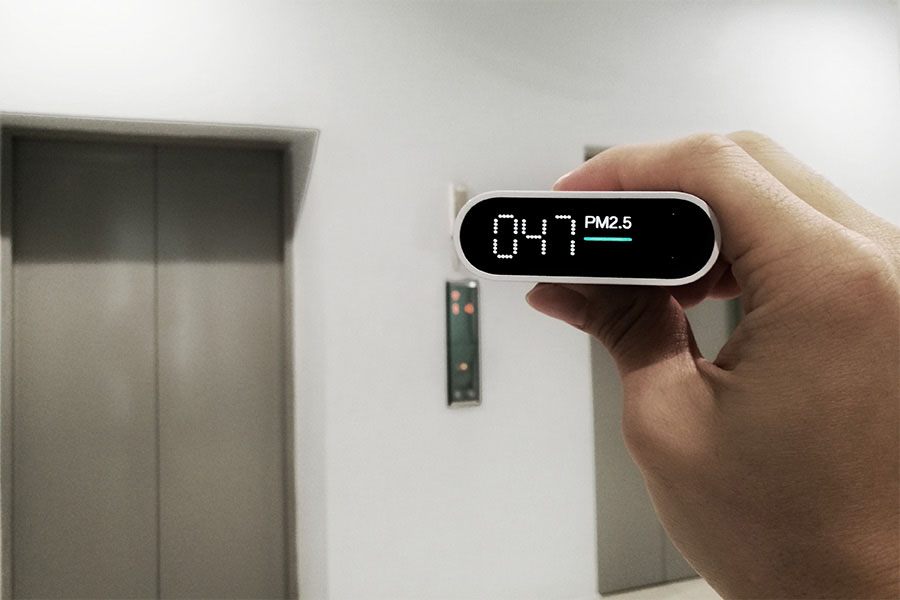
Have you noticed anything unusual about the air in your home? If you’re experiencing musty odors or frequent sneezing, it might be time to take a closer look. Indoor air quality can greatly impact your health and comfort. There are several signs that can indicate a problem, and addressing them sooner rather than later can make a big difference. Let’s explore the key indicators that your indoor air quality might be suffering.
Unpleasant Odors in Your Home
Unpleasant odors in your home can be a sign of underlying air quality issues that you shouldn’t ignore.
Whether it’s a musty smell, a strong chemical odor, or something resembling rotten eggs, these scents often indicate problems like mold growth, gas leaks, or dirty air ducts.
It’s crucial to pay attention to these warning signs because they can affect your health and comfort.
If you notice persistent odors, consider checking your HVAC system and ductwork for dust, debris, or mold.
Regular maintenance helps prevent these issues.
Don’t hesitate to reach out to a professional like Georgia Air, who can provide an expert assessment and necessary repairs.
They’ll guarantee your system runs efficiently, improving your indoor air quality. Additionally, reducing pollutants is essential for better health and can significantly improve your overall living environment.
Frequent Allergy Symptoms
If you find yourself sneezing, coughing, or experiencing itchy eyes more often than not, frequent allergy symptoms could indicate poor indoor air quality in your home.
Allergens like dust mites, mold, and pet dander thrive in spaces with inadequate ventilation. When these irritants circulate, they can trigger your immune system, leading to those pesky allergy symptoms.
You might also notice these reactions worsening during specific times, like when your HVAC system kicks on or when the windows are closed.
It’s crucial to pay attention to your body’s signals. If your allergies flare up indoors but improve outside, it’s time to investigate.
Consider improving your home’s air quality by regularly replacing air filters and investing in a quality air purification system. Professional dryer vent cleaning can also help eliminate potential allergens by ensuring proper airflow and reducing lint buildup.
Consulting with a professional HVAC company like Georgia Air can help you identify the root cause and implement effective solutions to guarantee a comfortable, healthier environment for you and your family.
Increased Dust Accumulation
When you notice an unusual amount of dust settling on surfaces in your home, it could signal poor indoor air quality. This accumulation may not just be a minor nuisance; it’s a sign that your air isn’t as clean as it should be.
You might find:
- Dust bunnies in corners and under furniture seem to multiply daily.
- A thick layer of dust on your electronics makes it hard to keep them clean.
- Persistent dust on high surfaces, like shelves and ceiling fans, that never seems to disappear.
- Constant sneezing or coughing when you start cleaning indicates allergens in the air.
If you’re experiencing these signs, it’s time to investigate your HVAC system and consider reaching out to professionals. Ductwork repair services can help address dust issues, leading to better air quality and a healthier living environment.
Humidity Issues
Dust accumulation can indicate a lack of proper ventilation, which often leads to humidity issues in your home.
When humidity levels climb, you might notice condensation on windows, musty odors, or even mold growth. These signs aren’t just uncomfortable; they can also pose health risks to you and your family. High humidity can make your living space feel sticky and stifling, impacting your overall comfort.
On the flip side, low humidity can cause dry skin, irritated sinuses, and even damage to your furniture.
You’ll want to maintain a balanced humidity level between 30% and 50% for ideal indoor air quality. Investing in a dehumidifier or humidifier can help you achieve this balance. Regular air conditioning maintenance is crucial, as it helps improve indoor air quality by filtering out pollutants.
If you’re struggling with humidity issues, don’t hesitate to contact a professional. They can assess your situation and recommend the best solutions to improve your home’s air quality and overall comfort.
Inconsistent Temperature Control
While you might expect your home to maintain a consistent temperature, fluctuations can disrupt your comfort and indicate underlying HVAC issues.
You may notice these inconsistencies in several ways:
- Drafty corners where chilly air seeps in, making you reach for a blanket.
- Sudden hot spots in rooms that feel like they’ve turned into saunas, even when the thermostat says otherwise.
- Cold spots that leave you shivering in areas that should feel cozy and warm.
- Unpredictable thermostat readings that don’t match what you actually feel, leading to confusion and frustration.
If you’re experiencing any of these signs, it’s time to take action.
Inconsistent temperature control not only affects your comfort but can also signal that your HVAC system needs attention.
Don’t wait—contact Georgia Air for expert help to restore your home’s comfort and efficiency today!

Conclusion
If you notice unpleasant odors, experience frequent allergy symptoms, see increased dust, struggle with humidity, or face inconsistent temperatures, it’s time to take action. Don’t ignore these signs; they’re your home’s way of asking for help. By addressing these issues, you’re not just improving air quality—you’re enhancing your comfort, safeguarding your health, and creating a sanctuary for your family. Breathe easier, live better, and enjoy a healthier home environment today.