
Imagine your home as a sponge; too much moisture can lead to mold, while too little can cause dryness and discomfort. Your HVAC system is pivotal in managing this balance by regulating indoor humidity levels. It does so through components like evaporator coils and humidifiers that remove or add moisture as needed. Understanding how these systems work can help maintain a comfortable and healthy living environment. But how exactly does your HVAC system keep this delicate balance, and what steps can you take to optimize its performance? Let’s explore this further.
The Importance of Humidity Control
Controlling humidity is essential in HVAC systems because it directly impacts indoor air quality, comfort, and energy efficiency. High humidity levels can foster mold and mildew growth, which degrades indoor air quality and poses health risks. On the flip side, low humidity can cause dry skin, irritate respiratory systems, and lead to static electricity issues. Proper humidity regulation guarantees a comfortable living environment, balancing moisture levels to prevent these issues.
In terms of energy efficiency, maintaining ideal humidity levels can reduce the load on your HVAC system. When the air is too humid, your air conditioner must work harder to remove excess moisture, increasing energy consumption and wear on the system. Conversely, too dry air can make heating systems less efficient, as dry air feels cooler than humid air, prompting increased heating use.
How HVAC Systems Regulate Humidity
HVAC systems regulate humidity through dehumidification and humidification processes, employing evaporator coils, condensate drains, and humidifiers to maintain ideal moisture levels. In the cooling mode, the evaporator coils play a pivotal role. As warm, humid air passes over these cold coils, the moisture condenses into liquid form, effectively reducing the humidity. This condensate is directed away through condensate drains, ensuring the dehumidified air is recirculated back into your home.
In contrast, during the heating season, your HVAC system may utilize a humidifier to add moisture to the air. These devices work by converting water into steam or evaporating it into the air stream, increasing humidity to comfortable levels. This is essential in preventing issues like dry skin, respiratory discomfort, and static electricity, especially in colder months when indoor air tends to be drier.
Components Involved in Humidity Control
Several vital components, such as evaporator coils, condensate drains, and humidifiers, intricately work together to manage and control humidity levels within an HVAC system. The evaporator coil is fundamental in this process. When your air conditioner runs, the evaporator coil cools the air, causing moisture to condense on its surface. This moisture, now in liquid form, needs to be efficiently removed from the system to prevent mold and mildew growth.
Here’s where the condensate drain comes in. This component guarantees the condensed water is channeled away from the system, typically to an external drain. Keeping the condensate drain clean and blockage-free is essential; otherwise, water backup could lead to system inefficiencies or damage.
Humidifiers and Dehumidifiers
Integrating humidifiers and dehumidifiers into your HVAC system, in addition to evaporator coils and condensate drains, provides precise control over indoor humidity levels, enhancing overall air quality and comfort. A humidifier adds moisture to the air, which is vital during dry winter when indoor air can become excessively dry, leading to discomfort and potential health issues. It disperses water vapor into the air stream through various methods, including steam, ultrasonic, or evaporative processes.
Conversely, a dehumidifier removes excess moisture, which is essential during humid summers when high indoor humidity can foster mold growth and dust mites, compromising air quality. Dehumidifiers use refrigeration cycles or desiccant materials to extract moisture, which is drained away.
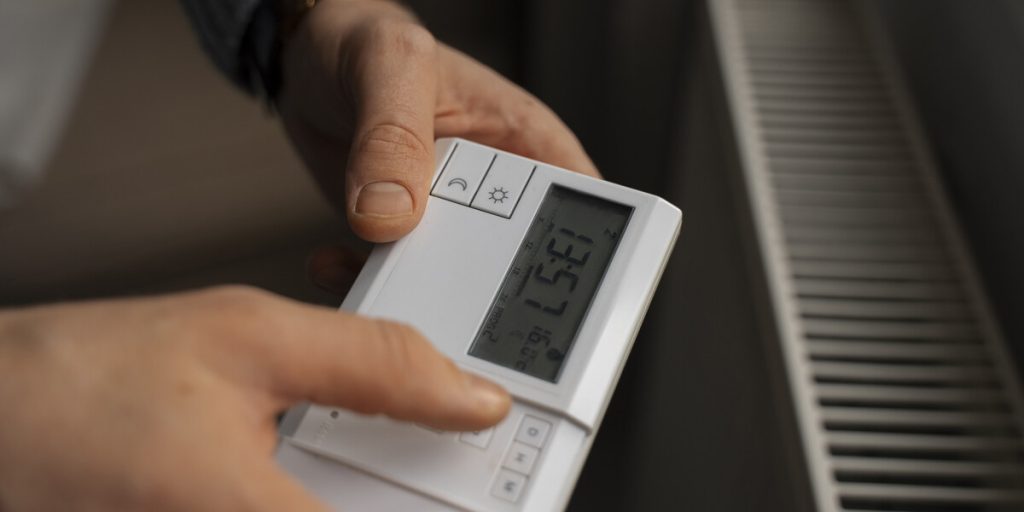
Both devices are often integrated with your HVAC system, allowing for automated control via a central thermostat or humidistat, ensuring ideal humidity levels are maintained without manual intervention. This integration not only maximizes energy efficiency but also extends the lifespan of your HVAC system by reducing the strain on components.
Seasonal Humidity Adjustments
Adjusting your HVAC system for seasonal humidity changes guarantees ideal indoor air quality and comfort throughout the year. High humidity levels can lead to a stuffy and uncomfortable environment during the summer months. Your air conditioning (AC) unit plays an essential role in dehumidification. As it cools the air, moisture condenses on the evaporator coils, reducing indoor humidity. Confirm your AC is sized correctly and maintained to optimize its dehumidification capabilities.
Low humidity during winter can cause dry skin, respiratory issues, and static electricity. A whole-house humidifier integrated with your HVAC system can add necessary moisture to the air. This device uses a water panel to disperse water vapor into the airflow, which is then distributed throughout your home. Monitoring and adjusting the humidistat guarantees the relative humidity stays within the recommended range of 30-50%. To achieve precise control, consider installing a smart thermostat with humidity sensors. This advanced control system allows you to automatically set and maintain humidity levels, adapting to seasonal changes.
Benefits of Proper Humidity Levels
Maintaining proper humidity levels in your home enhances comfort and protects your health and property. When your HVAC system effectively controls humidity, you can avoid the discomfort of dry skin and respiratory issues caused by low humidity. Proper humidity levels, typically between 30% and 50%, help prevent the growth of mold, mildew, and dust mites, which can exacerbate allergies and asthma.
Your home’s structural integrity benefits as well. Excessive moisture can lead to wood rot, warping, and peeling paint. By keeping humidity in check, you preserve the condition of wooden furniture, flooring, and walls. Additionally, electronic devices and musical instruments operate efficiently within these humidity ranges, reducing the risk of damage.
From an energy efficiency standpoint, proper humidity levels can lower energy bills. High humidity makes the air feel warmer, causing you to overuse air conditioning.
Common Humidity Control Issues
Dealing with common humidity control issues in your HVAC system often involves troubleshooting problems like inaccurate humidity readings, insufficient dehumidification, and inconsistent moisture levels. When your hygrometer gives incorrect readings, it could be due to sensor drift or faulty calibration. Regularly recalibrating or replacing sensors guarantees precise monitoring of indoor humidity.
Insufficient dehumidification usually stems from an undersized dehumidifier or a malfunctioning component within the unit. An undersized dehumidifier can’t handle the moisture load, leading to high humidity. Performing a load calculation can help you determine the correct dehumidifier capacity for your space. Additionally, check for clogged filters or refrigerant issues that might impede the unit’s efficiency.
Poor HVAC zoning or ductwork leaks can cause inconsistent moisture levels. If your home’s zoning isn’t configured correctly, some areas might remain more humid than others. Properly zoning your HVAC system guarantees balanced humidity control throughout your home.
Tips for Optimal Humidity Management
Effectively managing humidity in your HVAC system requires implementing specific strategies that guarantee consistent indoor comfort and air quality. Maintaining optimal humidity levels—typically 30-50%—involves various practices and tools that enhance performance and efficiency. Here are some actionable tips:
- Install a Dehumidifier: Integrating a dehumidifier into your HVAC system helps remove excess moisture from the air, prevent mold growth, and maintain a comfortable indoor environment. Choose a unit that matches your system’s capacity for maximum efficiency.
- Regular Maintenance and Cleaning: Keep your HVAC system running smoothly by scheduling regular maintenance. Clean the coils, replace filters, and check for any potential leaks. A well-maintained system operates more efficiently, effectively controlling humidity levels.
- Enhance Ventilation: Proper ventilation is essential for humidity control. Confirm your home has adequate exhaust fans in moisture-prone areas like bathrooms and kitchens. Also, consider using energy recovery ventilators (ERVs) to balance indoor humidity.
Conclusion
You have the ultimate power to create an indoor paradise with impeccable humidity control! By mastering your HVAC system’s dehumidification and humidification, you’re not just preventing mold but optimizing your home’s energy efficiency and comfort. Imagine living in a space where every breath feels perfect! Stay ahead with regular maintenance and smart tech integration. It’s not just about comfort; it’s about transforming your home into an unparalleled oasis of perfect air quality. Release the full potential of your HVAC system today!
Frequently Asked Questions
Can HVAC Systems Help With Humidity-Related Allergies?
Absolutely, HVAC systems can help with humidity-related allergies. Did you know maintaining indoor humidity between 30% and 50% can reduce allergens? By dehumidifying, your HVAC system minimizes mold and dust mites, improving air quality and comfort.
What Role Do Air Filters Play in Humidity Control?
Air filters don’t directly control humidity but enhance your HVAC system’s efficiency. Removing particulates prevents clogging and airflow restriction, allowing the system to maintain ideal humidity levels and improve indoor air quality.
How Do Smart Thermostats Influence Home Humidity?
Think of a smart thermostat as the conductor of an orchestra. It synchronizes HVAC settings, adjusts humidity levels dynamically, and guarantees peak comfort. It maintains a balanced indoor environment by leveraging sensors and algorithms, enhancing well-being.
Are There Energy Savings Associated With Proper Humidity Control?
Yes, proper humidity control can lead to energy savings. By maintaining ideal humidity levels, your HVAC system operates more efficiently, reducing the need for excessive heating or cooling, ultimately lowering your energy bills and enhancing comfort.