
Power outages in Savannah, GA, might not top your list of concerns, but they can harm your AC unit. How can a power outage damage an AC unit? Georgia Air Cooling & Heating, the provider of the best AC repair services in Savannah, wants you to understand these risks and how to avoid them.
Power surges, voltage fluctuations, and abrupt restarts damage your AC’s compressor and electrical components, leading to expensive repairs. By understanding these dangers, you can protect your investment and maintain a comfortable home.
Power Outages vs. Surges
A power outage means a complete loss of electricity, while a power surge involves a sudden spike in voltage. Outages leave your home without power, whereas surges can cause damage to electronic devices. Surges often cause outages, or they occur as the power comes back on after an outage.
While a power outage can damage your cooling system, most AC damage from an outage occurs as the power surges back on. To protect your AC, consider using surge protectors or installing a whole-home surge protection system.
This proactive step will keep your air conditioning unit safe and operational, even during electrical hiccups.
How Can a Power Outage Damage an AC Unit?
Your cooling system includes several components that may incur damage from storms, electrical surges, and overheating. Without proper protection, an AC unit power failure can damage these internal components.
Compressor Failure
Your AC compressor, just like other components of your cooling system, relies on a steady power supply. When the system suddenly loses power or experiences a spike, the compressor’s motor strains, leading to overheating and potential short circuits.
Surges can fry electrical components, while sudden outages often cause the compressor to restart multiple times in quick succession, wearing down its parts. Over time, these stresses add up, resulting in compressor failure.
Programming Failure
During a surge or power outage, your air conditioner can lose its programming. These sudden jolts interrupt the flow of electricity, causing the system’s internal settings to reset or malfunction.
As a result, your cooling system won’t remember your preferred temperature settings or schedules. Just like rebooting a computer, your air conditioner needs time to reconfigure itself, and sometimes manual reprogramming.
Cooling Process Malfunction
Most air conditioners today feature an advanced three-stage cooling process. A power outage can knock out any of these stages. The good news? Your system will often sort itself out within 24 hours as it warms up.
If the system still proves problematic after a day, call a professional for help. The sudden stop-and-start can overload your system’s circuits and potentially fry essential components like the capacitor or compressor.
A surge, on the other hand, can disrupt your cooling system’s delicate balance, sending a jolt of electricity that damages the control board or internal wiring.
Blower Motor Failure
Can a power outage damage an AC unit? A power outage or surge can really put a strain on your blower motor. When the power suddenly spikes, it’s like giving the motor a jolt of excess electricity, which can fry its internal components.
Think of it as overloading a circuit in your house — except it’s happening inside the motor. Even if the power goes on and off for a short while, the sudden restart can stress the motor, especially if it’s already on the edge.
Over time, this can wear out the motor’s bearings or insulation, causing it to fail. When your blower motor fails, the system can’t power the fan that blows air.
Other System Failures
A power outage can also cause other issues that affect both the air conditioner and the overall HVAC system.
During an air conditioner power outage, your air conditioner stops working entirely. With no cooling and no airflow, everything comes to a standstill. Without power, the system can’t keep your space cool or circulate air.
As the AC shuts down, you’ll feel the indoor temperature rise. How quickly the temperature levels rise depends on factors like the outdoor heat, your home’s insulation, and the duration of the outage.
Without the AC running, you’ll probably experience high humidity issues. Air conditioners usually remove moisture from the air, but with the power off, humidity levels will increase, making the air feel damp and uncomfortable.
The variable speed motor, for instance, adjusts your air conditioner’s speed based on your needs. It helps prevent the AC unit from using more power than necessary, saving you energy in the process. However, watch out for power surges — they can cause the motor to fail completely.
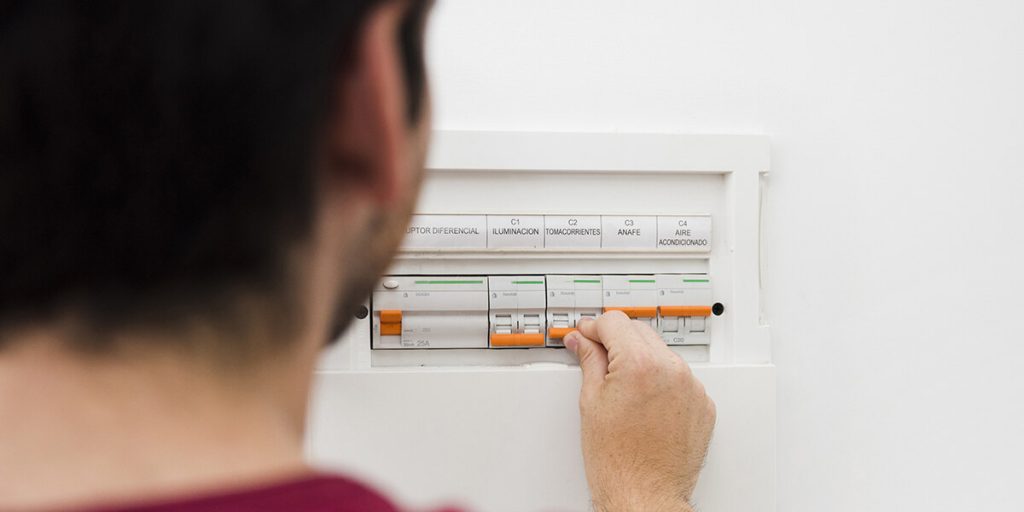
Power outages and surges can also trip your circuit boards, but that’s usually an easy fix. Just reboot the circuit breaker once the power is back on to restore normal function. For some issues, only a certified HVAC technician can pinpoint the problem.
When in doubt, always call a professional to diagnose and resolve the issue.
How To Restart Your AC After a Power Outage
Can a power outage damage an AC unit? Yes, but if your air conditioner suddenly shuts down during a power outage, don’t panic. First, turn everything off and give it a few minutes to settle. You might also want to flip the breaker off and unplug or switch off your furnace.
First, locate your thermostat and see if you can turn off your air conditioner entirely. Whether you have a traditional dial or a modern electronic panel, there should be an option to shut down the system. If you can’t find it, no worries — move on to the next step.
Close all windows and doors to keep the hot air out. Use fans or open windows during the cooler parts of the day if it’s safe to do so.
A power surge might have tripped the circuit breaker for your AC. Check your home’s main breaker box and make sure the switch for your system is fully turned on.
After about five to 30 minutes, try turning everything back on. Thirty minutes without cooling during a hot summer afternoon in Savannah might seem like an eternity but this simple reset might be all it takes to get your AC running again.
If it still won’t start, you could be dealing with a more serious issue that requires a professional’s touch.
How To Protect Your Air Conditioner During a Power Outage in Savannah, GA?
Can a power outage damage an AC unit? Yes, the following steps, however, can help prevent power outages and surges from damaging your cooling system.
Invest in Surge Protection
Investing in surge protection guards your air conditioning system from power surges and outages. Picture a lightning strike or electrical fault sending a surge of energy directly into your AC unit — this overloads the system’s sensitive components and can lead to expensive repairs.
Surge protectors act as a shield, absorbing extra voltage and keeping it away from your system. This investment ensures your cooling system works optimally when needed and extends its useful lifespan.
Secure your cooling system with surge protection and enjoy peace of mind knowing you’re protected from unexpected electrical issues.
Schedule Routine System Maintenance
Regular AC maintenance safeguards your cooling system against power outage AC damage. During routine maintenance checks, your local Savannah technician will spot issues like loose connections or worn components that could lead to AC unit electrical problems.
They also clear out debris that can strain the system and cause malfunctions. Tackling these small problems early helps prevent major breakdowns, especially during power surges or outages.
Turn Your System Off in a Storm
When a severe storm hits, consider turning off your air conditioner. Why? Storms can trigger power outages and surges, putting your AC at risk.
Sudden power loss or fluctuations can cause serious system damage. Plus, heavy rain and flooding might compromise your AC’s wiring and components. By switching off your unit, you protect it from potential surge damage and avoid costly repairs.
So, during a storm, save yourself some hassle. Turn off the AC and let it wait out the weather safely.
Maintain Your Electrical System
Keeping your electrical system in top shape can really save you from AC unit headaches. Regular check-ups help catch issues before they become major problems, keeping the effects of power surges and outages at bay.
Top-Rated HVAC Services in Savannah, Georgia
Trust Georgia Air Cooling & Heating for unbeatable HVAC services in Savannah, Georgia. Whether you need a speedy AC repair, a fresh system replacement, or expert furnace maintenance, our NATE-certified technicians will handle it all with ease.
Got an emergency? From sweltering summer breakdowns to winter furnace failures, our team will show up fast to save the day. Plus, our PeachCare Club Maintenance Program offers regular check-ups and exclusive deals.
Keep an eye out for their handy coupons and special offers to save on top-notch service.
Now that you can answer the question, “Can a power outage damage an AC unit?” look no further for friendly, reliable HVAC solutions. Call Georgia Air Cooling & Heating at 912-513-3724 to schedule service in Savannah, GA. Discover why the AC compressor is overheating and shutting off and more.