
Understanding furnace tune-ups is essential when it comes to keeping your home warm and your heating system running smoothly. You might wonder why a simple inspection and cleaning can make such a difference. By focusing on critical components like the heat exchanger and blower motor, a tune-up can boost efficiency and extend the lifespan of your furnace. But that’s not all; regular maintenance can prevent unexpected breakdowns and costly repairs. So, what exactly happens during a tune-up, and how do you know when it’s time to schedule one? Let’s explore further.
What Is a Furnace Tune-Up?
A furnace tune-up is a thorough maintenance procedure that guarantees your heating system operates efficiently and reliably throughout winter. When you perform a tune-up, you ensure that your furnace is in excellent condition, which is essential for providing consistent comfort to those you serve. Understanding what a furnace tune-up is and what is included in it is vital to maintaining the longevity and performance of your heating system.
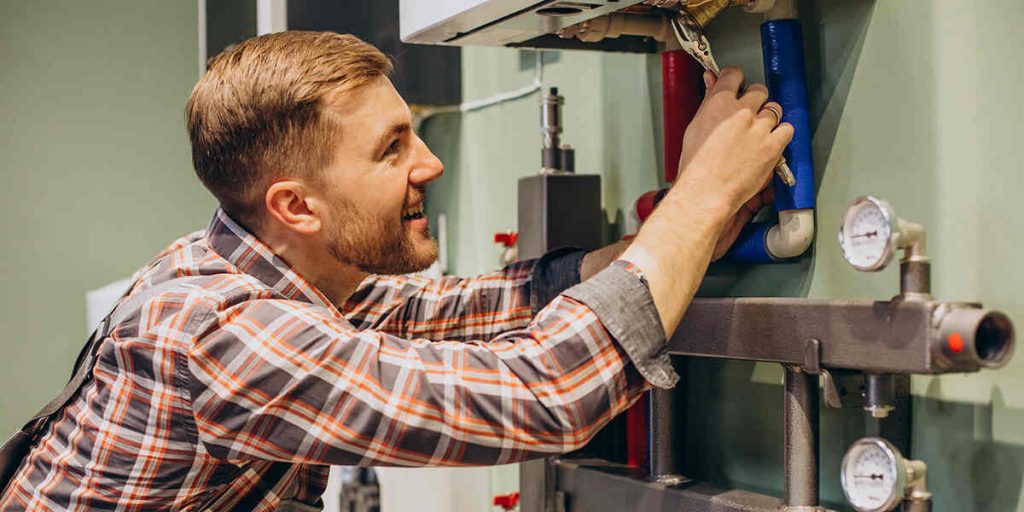
A furnace tune-up typically involves a detailed inspection and cleaning of the entire system. It includes checking and tightening electrical connections, inspecting the heat exchanger for damage, and ensuring all safety controls function correctly. Additionally, technicians will clean or replace the air filter, which is critical for maintaining good air quality and system efficiency. They’ll also lubricate all moving parts to prevent wear and tear and check the thermostat for accuracy.
Key Components Checked
Technicians meticulously examine several key components during a furnace tune-up to secure ideal performance and safety. They start with the thermostat, making sure it accurately controls the temperature. Next, they’ll inspect the heat exchanger for cracks or damage, which could lead to dangerous carbon monoxide leaks. The burner assembly is also checked and cleaned to guarantee efficient combustion.
Your technician will then examine the blower motor and its belts, confirming they are in good condition and properly lubricated. They’ll also inspect the ignition system, making sure it ignites the fuel efficiently and reliably. It’s essential to check the flue and venting system for blockages or leaks, ensuring harmful gases are safely expelled from your home.
The air filter’s condition is assessed and replaced if necessary, as a clean filter secures proper airflow and efficiency. Electrical connections and wiring are scrutinized to prevent potential hazards. Additionally, they’ll calibrate the system to ensure it operates within the manufacturer’s specifications. Finally, the technician will perform a safety test, ensuring all shut-off mechanisms function correctly.
Benefits of Regular Tune-Ups
Why should you prioritize regular furnace tune-ups for your home heating system? First and foremost, routine maintenance guarantees peak efficiency. When your furnace operates efficiently, it uses less energy, translating to lower utility bills. Technicians will clean and adjust components, reducing the strain on the system and preventing premature wear and tear.
Safety is another critical benefit. Regular tune-ups allow professionals to inspect and address potential hazards such as gas leaks or carbon monoxide emissions. This proactive approach safeguards your family’s well-being.
Moreover, consistent maintenance extends the lifespan of your furnace. Identifying and fixing minor issues early prevents them from escalating into costly repairs or complete system failures. This longevity saves you from the inconvenience and expense of premature replacements.
A well-maintained furnace also improves air quality in your home. Technicians will replace or clean filters, guaranteeing that dust, allergens, and other pollutants are minimized. This is particularly beneficial for family members with respiratory issues or allergies.
Signs Your Furnace Needs a Tune-Up
Unusual noises like banging, rattling, or squealing often indicate that your furnace is overdue for a tune-up. These sounds suggest internal components might be loose or worn out, leading to inefficient operation and potential failure. Pay attention to any irregular cycling of your furnace. If it turns on and off more frequently than usual, it may struggle to maintain the desired temperature, often due to clogged filters or thermostat issues.
Another sign is an unexpected increase in your energy bills. When a furnace isn’t running efficiently, it consumes more energy to produce the same heat. You might also notice uneven heating throughout your home, with some rooms being warmer or colder than others. This inconsistency can be due to blockages or leaks in the ductwork, which can be addressed during a tune-up.
Lastly, unusual odors, like a burning smell, can be detected when the furnace operates clearly, which indicates something isn’t right. This could be caused by dust accumulation in the system or more serious issues like frayed wiring. Scheduling a tune-up can guarantee all components are clean, secure, and functioning effectively.
DIY Vs. Professional Tune-Ups
Given the various signs indicating your furnace needs attention, it’s essential to weigh the benefits and drawbacks of DIY versus professional tune-ups. If you’re technically inclined, a DIY approach allows you to perform basic tasks like changing filters or cleaning burners. You’ll save on labor costs and gain the satisfaction of maintaining your equipment. However, furnace systems are complex, and improper handling can lead to inefficiencies or safety hazards, such as gas leaks or carbon monoxide poisoning.
On the other hand, professional tune-ups provide a thorough assessment of your furnace. Certified technicians use specialized tools and have expertise in diagnosing issues that may not be apparent to the untrained eye. They can calibrate the system, check for gas leaks, and verify the unit operates at peak efficiency. Although professional services come with a cost, they offer peace of mind, knowing that your furnace is meticulously inspected and maintained.
Ultimately, your choice depends on your comfort level and technical skill. Opting for a professional tune-up is advisable if you prioritize safety and reliability. A DIY tune-up could be a practical alternative if you’re confident in your abilities and willing to perform routine maintenance.
Cost of Furnace Tune-Ups
When considering the cost of furnace tune-ups, it’s crucial to account for both the immediate expenses and the long-term savings associated with improved efficiency and reduced repair needs. On average, a professional furnace tune-up can range from $80 to $150, depending on your location and the complexity of your system. This cost typically includes a thorough inspection, cleaning, and minor adjustments to guarantee peak performance.
Investing in a tune-up can prevent costly repairs down the line. For instance, a neglected furnace may develop issues like a cracked heat exchanger, costing upwards of $1,000. Regular maintenance can also extend the lifespan of your furnace, delaying the need for a costly replacement.
Moreover, a well-maintained furnace operates more efficiently, reducing your energy consumption by up to 30%. This efficiency translates to lower utility bills, providing substantial savings over time. Some utility companies even offer rebates for regular maintenance, further offsetting the initial costs.
How Often to Schedule
Regularly scheduling furnace tune-ups is essential to guarantee your heating system’s peak performance and longevity. Industry experts recommend that you schedule a professional furnace tune-up at least once a year, ideally in the fall before the heating season begins. This annual maintenance guarantees your furnace operates efficiently, reducing the risk of unexpected breakdowns during the colder months.
During these tune-ups, technicians will perform a series of tasks:
- Inspecting and cleaning the burners
- Checking the heat exchanger for cracks
- Lubricating moving parts
- Testing for proper airflow and thermostat calibration
These steps help identify and address minor issues before they escalate into costly repairs, guaranteeing your system runs smoothly.
If your furnace is older or used extensively, you might need more frequent check-ups—every six months could be beneficial. Additionally, suppose your furnace serves a high-traffic area or you run a business that relies heavily on consistent heating. In that case, bi-annual tune-ups can prevent performance degradation and guarantee safety.
Choosing the Right Professional
Selecting the right professional for your furnace tune-up involves evaluating their certifications, experience, and customer reviews to confirm you receive top-quality service. To guarantee your furnace operates efficiently and safely, you must choose a technician who meets specific criteria. Here are some key factors to take into account:
- Certifications and Licenses: Verify that the professional holds industry-recognized certifications such as NATE (North American Technician Excellence) or HVAC Excellence. These certifications demonstrate their expertise and adherence to industry standards. Confirm they’re licensed to operate in your state, as this confirms they meet local regulatory requirements.
- Experience and Specialization: Look for professionals with extensive experience in furnace maintenance and repairs. A seasoned technician will be familiar with various furnace models and can quickly identify and resolve potential issues. Specialization in the type of furnace you own (e.g., gas, electric, oil) is a significant advantage.
- Customer Reviews and References: Examine online reviews and ask for references to gauge the quality of their work. Positive feedback from previous clients is a strong indicator of reliability and professionalism. Don’t hesitate to contact past customers to inquire about their experiences, confirming the technician’s claims align with actual performance.
Conclusion
To summarize, understanding furnace tune-ups means recognizing their importance, scheduling them regularly, and choosing the right professional. You’ll boost energy efficiency, improve air quality, and extend your furnace’s lifespan. Don’t wait for costly repairs; take proactive steps now. Remember, a well-maintained furnace operates safely, performs reliably, and saves you money in the long run. So, prioritize annual tune-ups, trust experienced technicians, and enjoy a warm, worry-free winter season.
Frequently Asked Questions
How Does Weather Affect the Need for Furnace Tune-Ups?
Weather changes impact furnace efficiency and lifespan. Colder climates demand frequent tune-ups to guarantee peak performance and reliability. Regular maintenance helps you provide consistent comfort and safety, effectively serving your community’s heating needs.
Can a Tune-Up Improve Indoor Air Quality?
Yes, a tune-up can improve indoor air quality. By cleaning and adjusting your furnace, you’ll reduce dust, allergens, and pollutants in your home, ensuring a healthier environment for those you care about.
What Should I Do Before the Technician Arrives?
Before the technician arrives, clear the area around your furnace for easy access. If needed, check and replace your air filters, and have any relevant maintenance records ready for the technician to review.
Are There Any Warranties Associated With Furnace Tune-Ups?
Ever wonder about warranties for furnace tune-ups? Most reputable HVAC companies offer them. They generally cover parts and labor for a specific period. Always check the fine print to guarantee you provide the best service possible.
How Long Does a Typical Furnace Tune-Up Take?
A typical furnace tune-up usually takes about 1-2 hours. You’ll guarantee efficient operation by checking the thermostat, cleaning components, inspecting the heat exchanger, and testing safety controls. Thorough service guarantees ideal performance and customer satisfaction.