
Key Points
- A furnace that turns on and off in cycles shorter than 5 minutes is short cycling — a problem that stresses components, raises energy bills, and shortens the system’s lifespan.
- According to the U.S. Department of Energy, a well-maintained furnace operates significantly more efficiently — many short cycling issues are caused by deferred maintenance like dirty filters or neglected flame sensors.
- Start with the simplest checks first — thermostat settings and a dirty air filter cause the majority of short cycling issues and are easily resolved without tools.
- Air filters should be checked monthly and replaced every 1–3 months — a clogged filter restricts airflow, overheats the system, and triggers premature shutdown.
- Never attempt gas valve repairs yourself — gas-related issues carry serious safety risks and require a licensed HVAC professional.
- The control board’s LED diagnostic codes are the fastest way to identify furnace faults — always check your furnace manual for code meanings before assuming a component is faulty.
- If DIY troubleshooting doesn’t resolve the issue, contact Georgia Air Cooling & Heating for professional furnace repair in Richmond Hill, GA.
When your furnace keeps turning on and off frequently, it’s not just an annoyance — it’s a sign of a problem that needs immediate attention. Start by verifying your thermostat settings are correct — set to ‘Heat’ mode with a temperature higher than the room’s. Next, check the air filter since a dirty one can restrict airflow and cause short cycling. You’ll also want to look at the flame sensor and verify all wiring connections are secure. But before you grab your tools, there’s more to consider that could save you time and money.
Identify the Symptoms
The first step in fixing a short-cycling furnace is to identify the symptoms, which typically include the furnace turning on and off more frequently than average, inconsistent room temperatures, and unusually high energy bills. You’ll want to start by observing the furnace’s behavior. Notice if it cycles on and off in intervals shorter than five minutes. This frequent cycling not only indicates a problem but also stresses the system, leading to component wear and tear.
Next, assess the room temperatures. Walk through your home and check for uneven heating. It could be a red flag if some rooms feel considerably warmer or cooler than others. Use a thermometer for precise measurements, comparing the readings to your thermostat’s setting.
Lastly, scrutinize your energy bills. A sudden spike in gas or electricity usage without a corresponding increase in furnace use signals inefficiency. Analyzing your bills over the past few months can help you pinpoint when the issue started, giving you a timeline to work with.
Check the Thermostat
Start by verifying the thermostat is set to the correct temperature and mode, as improper settings can easily cause short cycling issues. First, check that the thermostat is in ‘Heat’ mode. If it’s set to ‘Cool’ or ‘Off,’ your furnace won’t operate correctly. Next, check the temperature setting. Ascertain it’s above the current room temperature to prompt the furnace to turn on. A setting too close to the room temperature can cause frequent on-off cycles.
Examine the thermostat’s location. It should be situated away from heat sources like direct sunlight, appliances, or drafts. These can give false readings, causing the furnace to cycle more frequently. If the thermostat is improperly placed, consider relocating it to a more central location.
Inspect the wiring connections inside the thermostat. Loose or corroded wires can disrupt the signal to the furnace, leading to short cycling. Carefully remove the thermostat cover, ensure the power is off, and check each wire. Tighten any loose connections and clean any corrosion.
Inspect Air Filters
Regularly inspecting your furnace’s air filters is vital to confirm efficient operation and prevent short cycling issues. When air filters become clogged with dust and debris, they restrict airflow, causing the furnace to overheat and shut down prematurely. To inspect and replace your air filters effectively, follow these steps.
First, locate the air filter compartment, typically found between the return air duct and the furnace. Turn off the furnace before proceeding to confirm safety.
Next, remove the filter and examine its condition. If it’s visibly dirty or covered in dust, it’s time for a replacement. Confirm you have the correct filter size and type for your furnace model.
When installing a new filter, make sure the arrows on the filter frame point in the direction of the airflow, which is usually toward the furnace. Here are key points to remember:
- Check filters monthly — dirty filters can quickly lead to furnace inefficiency
- Replace filters every 1–3 months — regular replacement is vital depending on the type and usage
- Use high-quality filters — they capture more particles, confirming better performance
- Maintain a clean environment — reducing dust and debris around your home can extend filter life
Proper filter maintenance helps your furnace run smoothly and efficiently, reducing the risk of short cycling.
Examine the Flame Sensor
A malfunctioning flame sensor can cause your furnace to short cycle by incorrectly detecting the presence of a flame. To examine it, first, turn off the furnace’s power supply to guarantee safety. Locate the flame sensor — it’s usually a thin metal rod situated near the burner assembly. Once found, carefully remove it using a screwdriver.
Inspect the sensor for any visible dirt or corrosion. These contaminants can interfere with its ability to detect the flame correctly. Use a fine-grit sandpaper or a clean cloth to clean the sensor gently. Confirm you remove any buildup without damaging the rod. After cleaning, reinstall the sensor by securely tightening the screws.
Next, turn the power back on and observe the furnace’s operation. The flame sensor should now accurately detect the flame, preventing short cycling. If the problem persists, the sensor might be faulty and require replacement. Always consult your furnace’s manual for specific instructions, or seek professional help if unsure. By confirming the flame sensor is clean and functional, you’re taking a significant step in maintaining an efficient heating system and effectively serving your household’s needs.
Review the Blower Motor
To guarantee your furnace operates efficiently, closely inspect the blower motor to identify any issues causing short cycling. Start by turning off the power to your furnace to confirm safety. Access the blower motor by removing the service panel. Look for signs of wear and tear, such as frayed wires or debris obstructing the fan blades. Here’s what you need to check:
- Wiring connections — verify all wiring connections are tight and secure; loose connections can cause intermittent power supply, leading to short cycling
- Capacitor functionality — test the capacitor with a multimeter; a failing capacitor can reduce the motor’s ability to start or run smoothly
- Motor bearings — listen for unusual noises when manually spinning the fan; grinding or squealing sounds indicate worn bearings that need replacement
- Cleanliness — check for dust and dirt buildup on the motor and fan blades; clean these components to prevent overheating and inefficiency
If you find any issues, address them promptly. Replacing worn parts or tightening connections can often resolve short cycling problems. Regular maintenance of the blower motor helps confirm your furnace runs efficiently, providing consistent warmth to those you serve.
Assess the Ventilation
Ensure the furnace’s ventilation system is clear and functioning correctly to prevent short cycling and maintain ideal performance. Begin by turning off the furnace and inspecting the intake and exhaust vents for any obstructions. Debris, nests, or ice can block these vents, restricting airflow and causing the furnace to overheat and shut down prematurely.
Next, check the ventilation pipes themselves. Verify they are securely connected and free of corrosion or damage. Any leaks or blockages in these pipes can compromise the furnace’s efficiency and lead to short cycling. Use a flashlight to inspect the interior of the pipes for any obstructions that might not be immediately visible.
Don’t forget to examine the flue pipe, which expels combustion gases. A clogged flue pipe can cause dangerous gases to build up and trigger safety mechanisms that shut down the furnace. Clean the flue pipe thoroughly if you notice any buildup of soot or debris.
Look at the Gas Valve
Safety warning: A malfunctioning gas valve is not something you should attempt to repair yourself due to the risks involved. If you identify a gas valve issue, contact a licensed professional immediately.
Inspecting the gas valve is essential for diagnosing and fixing short cycling issues in your furnace. Start by turning off the power to the furnace to guarantee safety. Locate the gas valve, typically found near the burner or control panel. Carefully examine the gas valve for any visible signs of damage or corrosion. Here are some key steps to follow during your inspection:
- Check for loose connections — verify that all electrical connections to the gas valve are secure; loose connections can cause erratic operation
- Test the valve’s operation — manually open and close the valve to confirm it’s functioning correctly; if it’s stuck, it can cause the furnace to short cycle
- Inspect for blockages — look for obstructions that might impede gas flow; blockages can limit the gas supply, leading to short cycling
- Examine the gas pressure — use a manometer to check the gas pressure; incorrect gas pressure can significantly impact furnace performance
After performing these checks, if you notice any issues, contact a professional furnace repair technician. Remember, a well-maintained furnace guarantees comfort and safety for those you serve.
Monitor the Control Board
Monitoring the control board is essential for diagnosing short cycling issues in your furnace, as it manages and coordinates various operational components. Start by locating the control board, usually found in the furnace’s lower compartment. Before you begin, confirm the power to the furnace is off to avoid electrical hazards.
First, inspect the control board for any visible signs of damage, such as burnt components, loose wires, or corrosion. If you notice any issues, the board might need replacement. Next, reconnect the power and observe the LED indicators on the control board. These LEDs provide diagnostic codes that can help you identify problems. Refer to your furnace’s manual for diagnostic codes and their meanings.
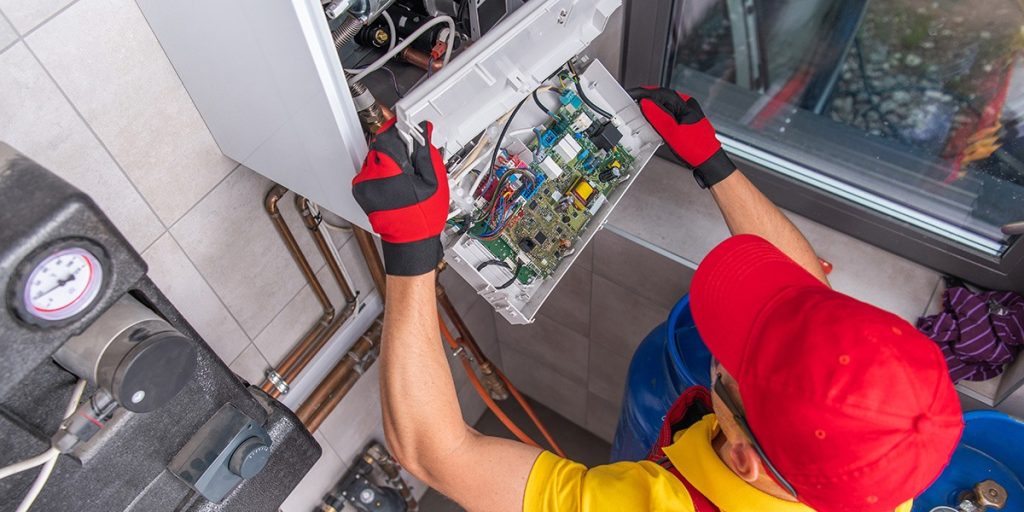
If the control board isn’t showing any error codes, use a multimeter to check for proper voltage and continuity. Confirm the board receives the correct voltage from the power source and sends the appropriate signals to other components like the ignitor, blower motor, and gas valve. Any discrepancies in these readings could point to a malfunctioning control board.
Key Takeaways
A short-cycling furnace — one that turns on and off in intervals shorter than five minutes — is a problem that stresses components, wastes energy, and shortens system lifespan. Work through the eight steps in order: identify symptoms, check thermostat settings, inspect and replace the air filter, clean the flame sensor, review the blower motor, assess ventilation, inspect the gas valve, and monitor the control board’s LED diagnostic codes. Air filters are the most common and easiest fix — check them monthly and replace every 1–3 months. Never attempt gas valve repairs yourself — this always requires a licensed professional. If DIY troubleshooting doesn’t resolve the short cycling, contact Georgia Air Cooling & Heating for professional furnace repair in Richmond Hill, GA.
Still Short Cycling? Contact Georgia Air Cooling & Heating
If you’ve worked through these steps and your furnace is still short cycling, it’s time to bring in a professional. Georgia Air Cooling & Heating provides expert furnace diagnosis and repair throughout Richmond Hill, GA — getting your heating system back to reliable, efficient operation.
Frequently Asked Questions
Can a Power Surge Cause My Furnace to Short Cycle?
Yes, a power surge can cause your furnace to short cycle. Surges can damage the control board or sensors, leading to erratic behavior. Inspect and reset the system; consider installing surge protection to prevent future issues.
How Does Weather Affect Furnace Short Cycling?
You might think the weather doesn’t affect short cycling, but it’s essential. Extreme cold can overwork your furnace, causing short cycles. Ensure your thermostat is correctly set and check for drafts or insulation issues to serve your home efficiently.
Are There Any DIY Tools I Need to Fix Furnace Short Cycling?
You’ll need a screwdriver, a multimeter, and a new air filter. These tools will help you check connections, measure electrical components, and replace clogged filters. Guarantee safety by turning off the furnace before starting any repairs.
What Are the Long-Term Effects of Ignoring Furnace Short Cycling?
Ignoring furnace short cycling increases energy bills, system stress, and potential breakdowns. You’ll face reduced comfort and air quality, and the furnace’s lifespan will shorten, causing frequent repairs and replacements and impacting your service reliability.