
Just as the sands of time eventually erode even the grandest structures, your AC unit won’t last forever. Typically, these units last 10 to 15 years, but how you care for them can make a significant difference. You might wonder what steps you should take to maximize its lifespan and avoid premature replacements. From regular maintenance to ideal usage practices, there are several strategies you can implement. Let’s explore some practical tips to guarantee your AC unit serves you well for as long as possible.
Typical Lifespan of AC Units
Most residential AC units typically last between 10 to 15 years, depending on factors like maintenance and usage. To maximize your unit’s lifespan, it’s essential to perform regular maintenance. Start by replacing the air filters every one to three months. Clean filters guarantee efficient airflow, preventing the system from overworking and wearing out prematurely.
You’ll also want to schedule annual professional inspections. Technicians will check refrigerant levels, inspect electrical components, and clean the coils. These steps are critical in catching minor issues before they become costly repairs, making sure your unit runs smoothly for its full expected lifespan.
Another critical aspect is managing usage. Avoid overusing your AC by setting the thermostat to a moderate temperature, ideally around 78°F during the summer. Use ceiling fans to help circulate cool air, reducing the workload on your AC unit.
Also, ensure your home is well-insulated to prevent cool air from escaping. Proper insulation reduces the strain on your AC, contributing to a longer lifespan.
Common Types of AC Units
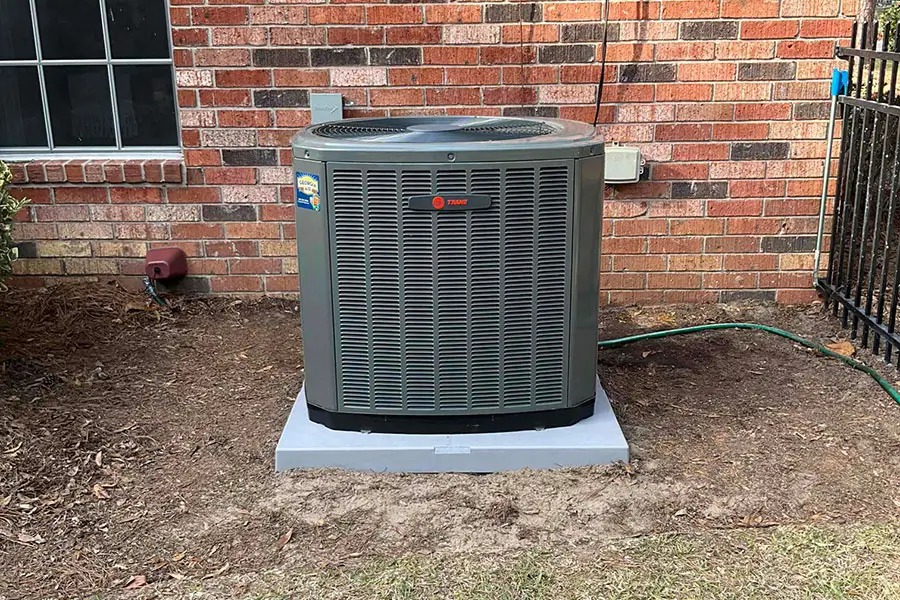
Understanding the lifespan of your AC unit is essential, but knowing the common types of AC units available can help you choose the right system for your needs. Central air conditioning systems are famous for cooling an entire home efficiently. They consist of a condenser unit installed outside and an evaporator coil inside your ductwork. This setup is ideal if you already have a duct system in place.
Split systems, which include ductless mini-split systems, are another option. These are perfect for homes without ductwork. They consist of an outdoor compressor and one or more indoor air-handling units, providing zoned cooling. They’re energy-efficient and relatively easy to install.
Window units are a cost-effective solution for single rooms. They fit into standard window frames and are straightforward to install and maintain. However, they’re less efficient for cooling large spaces. Portable AC units offer flexibility. You can move them from room to room, making them suitable for temporary cooling. They require venting through a window or wall.
Factors Influencing Longevity
Several key factors can greatly impact the longevity of your AC unit, ranging from regular maintenance practices to the quality of installation. First, the unit’s initial setup plays an essential role. Make certain a certified technician installs your AC properly to avoid issues like poor airflow or refrigerant leaks.
The environment also matters. Units exposed to harsh weather conditions, such as extreme heat or salty air, generally wear out faster. Consider placing your unit in a shaded, sheltered area to mitigate this.
Usage patterns notably affect lifespan. Running your AC continuously or setting it to extremely low temperatures can strain the system. Use programmable thermostats to regulate usage efficiently.
Another vital factor is the quality of the components. When repairs are necessary, opt for high-quality parts. Cheap, inferior components can lead to quicker deterioration.
Lastly, make certain proper airflow. Blocked vents or dirty filters force the unit to work harder, reducing its operational life. Regularly check for obstructions and replace filters as needed.
Importance of Regular Maintenance
Regular maintenance is essential to guaranteeing your AC unit operates efficiently and lasts as long as possible. By scheduling annual check-ups, you can catch minor issues before they become costly repairs. Start by cleaning or replacing the air filters every one to three months. Dirty filters restrict airflow, making your system work harder and reducing its lifespan.
Next, inspect and clean the condenser and evaporator coils. Dust and debris accumulation can impede heat exchange, causing your unit to overheat. A professional technician can check refrigerant levels and confirm they’re ideal for efficient cooling. Low refrigerant levels may indicate a leak, which needs immediate attention.
Additionally, examine the condensate drain line. A clogged line can cause water damage and increase humidity levels in your home. Regularly flushing the drain line helps prevent blockages. Don’t forget to check the thermostat settings and calibrate them if necessary. An accurate thermostat prevents the system from cycling too frequently, extending its operational life.
Signs Your AC Needs Replacement
When your AC unit shows signs of frequent breakdowns, inadequate cooling, or excessive energy consumption, it may be time to consider a replacement. Regular repairs can add up quickly and may end up costing more than a new unit. If you notice that your AC system constantly needs professional attention, it’s a clear indicator that it’s nearing the end of its lifespan.
Pay attention to the cooling performance. If your home isn’t as cool as it used to be, the compressor might be failing despite the thermostat settings. Similarly, if some rooms are notably warmer than others, the AC might not be distributing air effectively.
Energy bills are another telltale sign. Older units tend to be less energy-efficient, and if you see a sharp increase in your energy costs, it’s likely due to your aging AC working harder to maintain the desired temperature.
Lastly, listen for unusual noises. Grinding, squealing, or rattling sounds can indicate severe internal issues that are often more cost-effective to resolve with a new unit rather than repeated repairs.
Tips for Extending AC Lifespan
To maximize your AC unit’s lifespan, prioritize consistent maintenance and timely repairs. First, schedule bi-annual professional inspections. Technicians can identify potential issues before they escalate, ensuring peak performance. Clean or replace air filters every one to three months, depending on usage and environmental factors. Dirty filters restrict airflow, causing your unit to work harder, which leads to wear and tear.
Next, keep the outdoor unit clear of debris. Leaves, dirt, and other obstructions can hinder the condenser’s ability to dissipate heat. Trim back vegetation at least two feet around the unit to maintain airflow. Additionally, check the evaporator and condenser coils annually. If they’re dirty, clean them using a soft brush or a designated coil cleaner to enhance efficiency.
Ensure your AC’s refrigerant levels are adequate. Low refrigerant can cause the compressor to overheat, leading to costly repairs. Have a professional check and recharge the refrigerant if necessary. Lastly, inspect and clean the condensate drain line regularly. A clogged drain can cause water damage and increase humidity levels, stressing your system.
Optimal Usage Practices
Efficiently managing your thermostat settings is essential for optimizing your AC unit’s performance and longevity. Set your thermostat to a moderate temperature, ideally between 75-78°F when you’re home, and raise it by 7-10°F when you’re away. This reduces strain on the unit, conserving energy and extending its lifespan. Avoid rapid temperature changes, as they force the unit to work harder, leading to quicker wear and tear.
Make sure your home is well-insulated to maintain a stable indoor temperature. Seal gaps around windows and doors, and use curtains or blinds to block sunlight. This minimizes the workload on your AC unit. Additionally, ceiling fans can help circulate cool air more efficiently, allowing you to set your thermostat a few degrees higher without sacrificing comfort.
Check and replace air filters regularly, every 1-3 months. Clean filters improve airflow and efficiency, reducing the strain on your system. Also, keep the outdoor unit free of debris, leaves, and overgrown plants to guarantee proper ventilation.
Professional Inspection Benefits
Have you ever wondered why professional inspections are essential for maintaining your AC unit’s efficiency and extending its lifespan? Regular professional inspections are necessary because they catch minor issues before they balloon into costly repairs or replacements. Technicians have the tools and expertise to spot problems you might miss, ensuring your unit operates at peak performance.
Here’s why scheduling regular inspections is a smart move:
- Early Detection: Professionals can identify and fix minor issues before they turn into major problems, saving you time and money.
- Enhanced Efficiency: A well-maintained AC unit uses less energy, which means lower utility bills and a reduced carbon footprint.
- Extended Lifespan: Routine inspections and maintenance can add years to your AC unit’s life, delaying the need for a costly replacement.
- Improved Air Quality: Technicians will clean and replace filters, ensuring your system circulates clean air, which is essential for respiratory health.
- Safety Assurance: Inspections help prevent hazards such as electrical issues or refrigerant leaks, keeping your household safe.
Conclusion
To summarize, your AC unit can last well beyond the average 10-15 years with proper care and maintenance. For instance, consider a homeowner who regularly changes filters, schedules annual inspections, and keeps the outdoor unit debris-free. This attention to detail extends the unit’s lifespan and guarantees peak performance and energy efficiency. Don’t overlook these practices; they can save you from unexpected breakdowns and costly repairs down the road.
Frequently Asked Questions
How Can I Improve My Home’s Insulation to Help My AC Unit Last Longer?
To improve your home’s insulation, seal gaps around windows and doors, add weather stripping and install attic insulation. These steps reduce strain on your AC unit, ensuring it runs efficiently and lasts longer.
What Are the Energy Efficiency Standards for Modern AC Units?
You know what they say, ‘An ounce of prevention is worth a pound of cure.’ Modern AC units must meet SEER ratings of at least 14. Make sure you’re choosing units with high SEER ratings for maximum energy efficiency.
How Does Weather Impact the Lifespan of My AC Unit?
Think of your AC unit as a workhorse. Extreme weather conditions, like relentless heat or cold, can strain it. Regularly check and maintain your unit, ensuring it’s clean and functioning efficiently, to help it serve you longer.
Can Smart Thermostats Help Prolong the Life of My AC Unit?
Yes, smart thermostats can help prolong your AC unit’s life. They optimize temperature settings, reduce strain during peak hours, and provide maintenance alerts. You’ll maintain comfort while ensuring your system runs efficiently and lasts longer.