
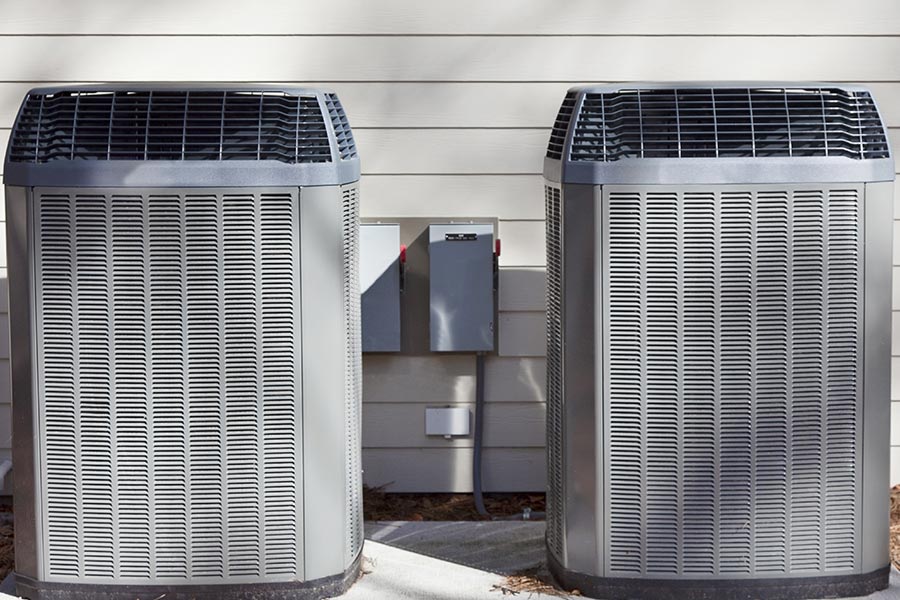
Although Savannah generally sees mild winters, you still want your HVAC system ready for the chilly nights and occasional freezes. Follow these eight simple HVAC tips for winter to enjoy a comfortable indoor climate, reliable heating system performance, and lower energy bills throughout the cold season.
1. Change the Air Filters
Air filter maintenance is one of the most basic but also most important HVAC upkeep guidelines. Over time, dust and particles clog your filter and restrict airflow. This makes the engine struggle and waste more energy trying to keep up the airflow.
A clogged filter is also bad for overall air quality. Filters trap dust mites, pet hair, and various pollutants and allergens that circulate back into your home. These may cause respiratory issues, especially in children and sensitive individuals. If you notice a lot of dust, it’s a tell-tale sign you must change your filters.
Change or clean filters according to the manufacturer’s instructions. Non-reusable filters usually need changing every 1 to 3 months, but may get dirty faster during times of intense use. Keep an eye on your filter’s condition and replace it as necessary. It’s a simple task you can easily perform yourself between professional HVAC tune-ups.
2. Adjust Your Thermostat Settings
At the beginning of the season, check that your thermostat settings are correct. The general recommendation is to have the temperature set to around 70 degrees when you’re home and 60-62 degrees when you’re away or asleep. Cranking the thermostat up too high wastes energy and won’t get you warmer faster.
If you haven’t done that already, consider switching to a programmable or smart thermostat. Programmable thermostats allow you to set the temperature according to the times when you’re at home, at work, or asleep, so your HVAC system doesn’t run on high when no one’s around.
Smart thermostats give you even more precise control over your indoor climate. These devices learn your energy use patterns and adapt the settings to your habits (e.g., automatically lowering the temperature around the hour when you usually go to bed). You can adjust, program, and control them from any Wi-Fi connected device. Both programmable and smart thermostats can potentially lower your energy bills.
Pro tip: test your thermostat functions before temperatures drop. This will give you enough time to fix any issues while the weather is mild.
3. Insulate Your Home
Insulation is among the often-overlooked HVAC tips for winter. Warm air will escape through narrow gaps around your doors and windows or cracks in the roof and attic. Your HVAC system will then work extra hard to make up for this heat loss and waste energy.
Go over your home and look for spots with poor insulation. Apply weatherproofing tape to doors and windows if you can feel a slight draft when you hold your hand over the frame. Use foam insulation on small cracks and consider extra floor insulation in basements. You might also want to add foil-faced fiberglass insulation to your air ducts.
You’ll continue reaping the benefits of good insulation year-round. A properly insulated home will stay warm and cozy in winter and keep out the heat more effectively during scorching summer days.
4. Ensure Proper Ventilation
Ventilation is just as important as insulation for an efficient HVAC system. It helps keep indoor air fresh and healthy, promotes air circulation, and regulates moisture. Mold, unpleasant odors, or excessive condensation in your home are all signs of poor ventilation.
Your HVAC system needs proper ventilation to circulate air effectively. Otherwise, you may notice fluctuating temperatures or excess moisture in different areas of the house. Good circulation is also critical for removing pollutants and harmful carbon dioxide. Without adequate ventilation, your HVAC system will struggle to push air through, spend a lot of energy, and wear out more quickly.
You can improve air circulation in your home by adding exhaust vents in the attic and exhaust fans in bathrooms, laundry rooms, and other high-moisture areas. Make sure furniture doesn’t block any return air vents. Clean the vents to remove any accumulated dust, debris, or pet hair, and consider booking a professional air duct cleaning.
Final tip: keep vents open even in unused rooms. Closing vents won’t save energy since the airflow will only go into another part of your system. Moreover, it can create excessively high air pressure in the ducts and even cause air leaks.
5. Schedule an Annual HVAC Service in Savannah, GA
Regular upkeep will prolong your HVAC system’s lifespan, increase its energy efficiency, and prevent costly emergency repairs. You should book an HVAC inspection at least once a year. The best times to do this in Georgia are fall, before the cold weather hits, or early spring, before temperatures rise again.
During the inspection, the tech will check all your HVAC system parts to make sure they’re in working order. They’ll inspect vents and flues for proper airflow, change filters as necessary, and tighten loose connections. An inspection often helps catch and fix problems before they damage your furnace or air conditioner beyond repair.
Call our Savannah, GA, heating, and air service to schedule an inspection and learn about our convenient HVAC maintenance options. Our PeachCare Club members can choose between several cost-effective plans, all of which include two annual checkups, a detailed inspection, and discounts on filters, repairs, and delivery.
6. Check Your Ductwork for Leaks
Leaky ducts waste huge amounts of energy since they let warm air escape into crawl spaces, attics, or behind walls. This forces your system to work harder to reach the thermostat settings. Compromised ductwork may be the culprit behind inexplicably high energy bills.
Ductwork inspection is usually a part of professional HVAC maintenance, but you can start by visually inspecting the ducts yourself. Look for any loose joints, cracks, or holes. You can often find air leaks by running your hand over the duct, especially at joints and seams.
You might be able to repair small cracks in the ductwork with mastic sealant or metal tape. However, if you notice severely damaged duct sections or disconnected ducts, it’s better to call an HVAC tech. An HVAC professional can detect air leaks even in hard-to-reach spots and repair or replace compromised ductwork safely and effectively.
7. Check for Strange Noises or Smells
Unusual noises or odors from your HVAC system are always a cause for concern, especially during the cold season when your heating unit works extra hard. Pay attention to any whistling, banging, or scraping sound or rotten, musty, or burnt smells. Diagnosing and addressing these issues in time is one of the most important HVAC tips for winter.
Banging or clicking sounds from the furnace usually point to ignition problems. A high-pitched shrieking or squealing noise may indicate a motor issue, while whistling is typically a sign of restricted airflow.
You may feel a slight burning smell from your furnace when you first turn it on at the beginning of winter. This is due to dust and dirt the furnace accumulates during months of disuse. However, if this smell persists, you may have a bigger problem, like an overheating blower motor. Schedule an HVAC checkup to trace and fix the root cause of any odd smells or noises.
Important: if you smell a sulfur, rotten egg smell, you may have a gas leak, which is an emergency. Shut off your gas supply, exit the house, and call your gas provider.
8. Consider Upgrades
If you dread the winter season because your HVAC system is in poor shape, it might be time to consider upgrades. Quality heating systems may last 15-20 years with proper upkeep, but many furnaces will start giving you trouble a lot sooner. While some issues are fixable, if you struggle with frequent breakdowns, indoor temperature fluctuations, and high energy bills, a new unit might be the right solution.
A heating system upgrade will improve your indoor comfort and air quality. It will likely reduce your energy bills since newer units are a lot more energy efficient. You may also save money on repairs and maintenance. Moreover, an upgraded HVAC system can boost your home’s value if you’re putting your property on the market.
Upgrading your HVAC system is a big upfront expense, so we at Georgia Air Cooling & Heating offer flexible “buy now, pay later” plans to help you purchase a new AC or heating unit without overstretching your budget. You can apply for financing quickly and easily through our partner, Wells Fargo. We also offer an alternative financing option through Optimus for those with lower credit.
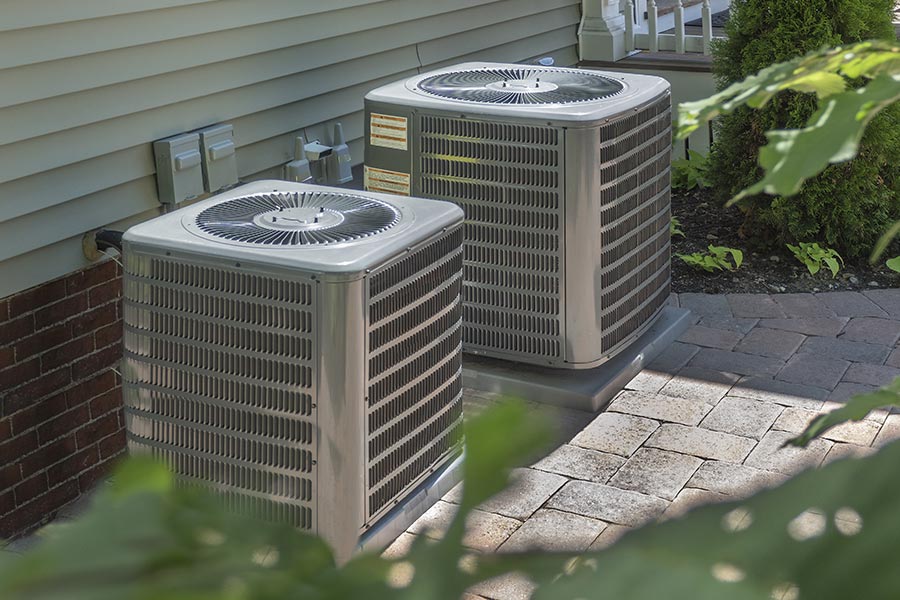
Call Georgia Air Cooling & Heating To Prepare Your HVAC System for Winter in Savannah, GA
Have you realized you haven’t scheduled HVAC maintenance in a long time? Do you need to address essential repairs before the next cold spell? Call us at Georgia Air Cooling & Heating.
Our pro team will tune up your system, share handy HVAC tips for winter, and ensure you enjoy the perfect indoor climate year-round. Contact us today to book a service call.