

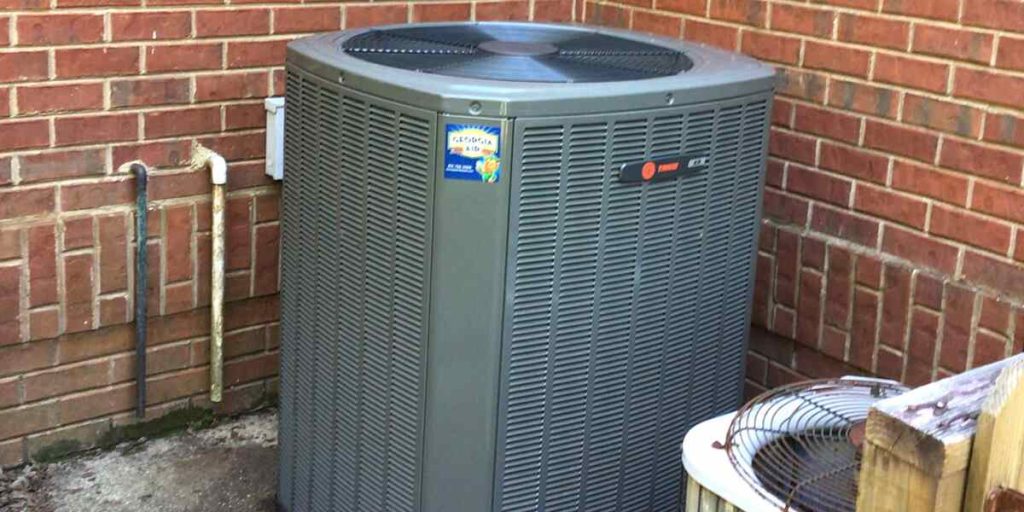
You might think running a humidifier with the AC on is a recipe for disaster, but the truth is more nuanced. While combining these two devices can enhance indoor comfort and air quality, striking the right balance is crucial. Experts suggest maintaining humidity between 30-50% to avoid mold growth or respiratory problems. But how do you guarantee your indoor environment stays within this safe range without causing other complications? Let’s explore expert insights so you can make informed decisions for a healthier home environment.
Understanding Air Conditioning
Air conditioning removes heat and humidity from indoor air to create a cooler and more comfortable environment. When you turn on your AC, it pulls warm air from your room into the system. This air passes over evaporator coils filled with a refrigerant, which absorbs the heat and cools the air. The cooled air is then circulated back into your living space, providing a rejuvenating atmosphere.
To guarantee efficient cooling, your AC system also removes excess humidity. It does this through a process called condensation. As warm air contacts the cold evaporator coils, moisture condenses, which is collected in a drip pan and then drained away. This dehumidification is vital because high humidity levels can make you feel warmer than the actual temperature.
Your air conditioning system’s performance hinges on regular maintenance. Clean or replace filters monthly to keep airflow unobstructed. Confirm the coils are clean and the refrigerant levels are adequate. This extends the life of your system and assures it operates at peak efficiency. Understanding these components and processes allows you to optimize your air conditioning system, ensuring those you serve enjoy a consistently comfortable environment.
How Humidifiers Work
Utilizing a humidifier involves dispersing moisture into the air to maintain an ideal humidity level in your living space. To achieve this, different types of humidifiers employ various mechanisms. For instance, evaporative humidifiers use a fan to blow air through a wet wick filter, allowing water to evaporate into the air. Ultrasonic humidifiers, on the other hand, utilize high-frequency vibrations to produce a fine mist.
In another method, steam vaporizers heat water to create steam, which cools before exiting the device. Impeller humidifiers use a rotating disk to fling water at a diffuser, breaking it into tiny droplets. Each type aims to increase the moisture content in the air effectively.
You need to monitor the humidity levels, ideally keeping them between 30% and 50%. Over-humidification can lead to mold growth, while under-humidification may cause dry skin and respiratory issues. Most modern humidifiers come with built-in hygrometers to help you track and adjust settings. Regular maintenance, like cleaning the unit and replacing filters, guarantees peak performance and prevents bacteria buildup. Understanding these mechanisms equips you to choose the best humidifier for your needs, guaranteeing a comfortable and healthy indoor environment.
Benefits of Using a Humidifier
Understanding the various mechanisms of humidifiers helps you choose the right one and highlights numerous benefits, such as alleviating respiratory issues and maintaining skin hydration. When you use a humidifier, you’re ensuring ideal moisture levels in the air, which can significantly reduce asthma, allergies, and sinusitis symptoms. This is particularly important for those who serve others in healthcare or caregiving, where maintaining a healthy environment is paramount.
Moreover, humidifiers can help in preserving skin hydration. Air conditioning systems often strip the air of humidity, leading to dry and irritated skin. By adding moisture back into the air, a humidifier can counteract these effects, making it easier for your skin to retain its natural moisture. This benefits personal comfort and those in beauty and wellness professions, where client satisfaction is vital.
Potential Risks and Concerns
While humidifiers offer numerous benefits, it is vital to be aware of potential risks and concerns to guarantee safe and effective use. One primary risk is the growth of mold and mildew. If the humidity level becomes too high, it creates an ideal environment for these organisms, leading to health issues and damage to your home. Regular maintenance of your humidifier, including cleaning and changing filters, is necessary to prevent this problem.
Another concern is the potential for respiratory issues. Over-humidification can exacerbate conditions like asthma and allergies. It’s important to monitor humidity levels using a hygrometer to verify they stay within the recommended 30-50% range.
There’s also the risk of water damage. Excess moisture can accumulate on windows, walls, and other surfaces, leading to structural damage over time. Confirm your humidifier is appropriately sized for the room, and avoid placing it near sensitive materials.
Electrical safety is another significant aspect. To avoid electrical hazards, make sure your humidifier is in good working condition and follow the manufacturer’s instructions. By being vigilant and proactive, you can effectively mitigate these risks and enjoy the benefits of using a humidifier with your AC.
Balancing Humidity Levels
Maintaining an ideal humidity level between 30% and 50% is vital for maximizing the efficiency of your AC system and ensuring indoor air quality. When you use a humidifier with your AC, you need to strike a balance to prevent over-humidification, which can lead to mold growth, and under-humidification, which can cause dry skin and respiratory issues. Monitoring humidity levels and making adjustments as necessary is important.
To achieve the best humidity levels, you can:
- Use a hygrometer: A hygrometer will help you accurately measure indoor humidity levels, allowing you to make informed decisions about when to turn on your humidifier or adjust your AC settings.
- Program your devices: Many modern AC units and humidifiers have programmable settings. Set your devices to maintain a target humidity range, ensuring comfort and efficiency without constant manual adjustments.
- Regular maintenance: Clean and service your AC and humidifier regularly. A well-maintained system operates more efficiently, helping you maintain balanced humidity levels and avoid potential issues like mold growth or equipment malfunction.
Expert Opinions
Experts stress that using a humidifier with an AC system can significantly enhance indoor air quality when done correctly. You should maintain ideal humidity levels, typically 30-50%, to avoid the pitfalls of overly dry or excessively humid environments. According to Dr. Jane Smith, a renowned HVAC specialist, ‘Combining an AC with a humidifier can regulate indoor moisture, making the air less likely to irritate respiratory systems.’
Dr. Michael Lee, an environmental health expert, adds that proper humidity levels can also prevent the growth of mold and dust mites, which thrive in damp conditions. He emphasizes, ‘Balancing these devices can improve overall health and comfort, especially for those with allergies or asthma.’
However, avoiding over-humidifying is essential, as this can lead to condensation issues and potential water damage. David Thompson, an HVAC technician, advises, ‘Use a hygrometer to monitor indoor humidity levels. This device will help you adjust your AC and humidifier settings to maintain a healthy environment.’
Tips for Safe Use
To guarantee the safe use of a humidifier with your AC, monitor humidity levels regularly using a reliable hygrometer. Maintaining ideal indoor humidity—between 30% and 50%—prevents mold growth and guarantees comfort. Consistently checking these levels safeguards both your health and your home’s integrity.
Implement the following strategies for safe usage:
- Choose the Right Humidifier: Select a humidifier suitable for your room size. Overly powerful units can cause excess moisture, while underpowered ones are ineffective.
- Positioning Matters: Place the humidifier away from walls and direct sunlight. This guarantees even moisture distribution and prevents water damage to walls or furniture.
- Regular Maintenance: Clean your humidifier regularly to avoid bacterial buildup. Follow the manufacturer’s instructions for disassembly and cleaning to maintain effective operation and air quality.
Common Mistakes to Avoid
Despite the benefits, using a humidifier with your AC often leads to common mistakes that can compromise efficiency and safety. One frequent error is setting the humidity level too high. Aim for a relative humidity between 30-50%. Higher levels can encourage mold growth and strain your AC system.
Another mistake is neglecting regular maintenance. Clean your humidifier and AC filters at least once a month. Dirty filters reduce airflow and can harbor bacteria, which compromises air quality.
Positioning the humidifier too close to the AC unit is also problematic. The moisture can interfere with the AC’s internal components, potentially leading to malfunctions or reduced lifespan. Place the humidifier in a central location, away from direct airflow paths.
Additionally, tap water in your humidifier can introduce minerals and impurities into the air. Always use distilled or demineralized water to prevent this issue.
Lastly, don’t ignore the importance of monitoring indoor humidity. Invest in a hygrometer to accurately track humidity levels. This tool helps you make necessary adjustments, ensuring the peak performance of your humidifier and AC. By avoiding these common mistakes, you’ll enhance your home’s comfort and air quality.
Conclusion
To sum up, yes, using a humidifier with the AC on is safe, but only if you manage it properly. By keeping humidity levels between 30% and 50%, you enhance comfort and air quality without risking mold or overworking your AC. Remember, a hygrometer is your best friend here. Follow expert advice, and you’ll find the perfect balance. Don’t let poor humidity management make your home a damp nightmare; be vigilant and informed.
Frequently Asked Questions
Can Using a Humidifier Increase My Electricity Bill?
Have you considered how using a humidifier impacts your electricity bill? Humidifiers consume electricity, but their impact is minimal compared to major appliances. Opt for energy-efficient models to keep costs low while maintaining comfort for others.
How Often Should I Clean My Humidifier?
You should clean your humidifier every three days to prevent mold and bacteria buildup. Regular maintenance guarantees peak performance and air quality, which is essential for providing a healthy environment for those you care for.
Are There Specific Humidifiers Designed for Use With AC Units?
Yes, there are specific humidifiers designed to work with AC units. They’re called whole-house humidifiers and integrate directly with your HVAC system, ensuring ideal humidity levels throughout your home and enhancing comfort and air quality.
Can I Use Essential Oils in My Humidifier While the AC Is On?
You can use essential oils in a humidifier while the AC is on, but make sure it is designed for it. Oils can damage or clog some models, affecting performance and longevity and impacting service quality.
How Do I Know if My Humidifier Is Compatible With My AC System?
Check the humidifier’s specifications against your AC system’s requirements to guarantee compatibility. Look for details like water type, capacity, and power settings. Reading the manuals can help you avoid unwanted surprises and serve your space effectively.