

If you’ve noticed water droplets forming on your AC vents, you’re likely dealing with condensation issues that could lead to bigger problems if left unchecked. Understanding why this happens involves looking at several key factors that play a role, such as poor insulation, high humidity levels, and temperature differences. You might also find that blocked vents, dirty air filters, or leaky ductwork contribute to the problem. Each of these elements can affect your HVAC system’s efficiency and longevity. So, what can you do to address these issues and keep your home comfortable?
Poor Insulation
Poor insulation is one of the primary reasons you might notice condensation forming on your AC vents. When your vents aren’t properly insulated, the cold air traveling through them comes into contact with the warm, humid air outside the ducts. This temperature difference causes moisture in the air to condense on the vents, leading to the formation of water droplets.
You’ll want to check the insulation around your ductwork. Verify that it’s intact and adequately covering the ducts. If you find any gaps or deteriorated areas, it’s crucial to address these issues immediately. Proper insulation not only prevents condensation but also enhances the efficiency of your HVAC system, reducing energy consumption and costs.
Another aspect to reflect upon is the type of insulation material. Using high-quality, moisture-resistant insulation can make a significant difference. Materials like foam board or fiberglass with a vapor barrier are excellent choices. They provide superior thermal resistance and prevent moisture from seeping through.
High Humidity Levels
High humidity levels in your home contribute to condensation on your AC vents. When the air inside your home contains excessive moisture, it creates an environment where condensation is likely to form. This is because the moisture-laden air comes into contact with the cooler surfaces of your AC vents, leading to the formation of water droplets.
To manage high humidity, consider using a dehumidifier. These devices are designed to extract moisture from the air, thereby reducing the overall humidity levels. Make sure your home’s humidity is kept between 30% to 50% for ideal comfort and to prevent condensation.
Additionally, proper ventilation is essential. Exhaust fans in bathrooms and kitchens help remove excess moisture from activities like showering and cooking. Regularly inspect and maintain these fans to guarantee they’re functioning efficiently.
Using air conditioners equipped with variable-speed fans can also help. These systems can adjust airflow to maintain consistent indoor humidity levels, minimizing condensation risk. Finally, sealing leaks around windows and doors prevents humid outdoor air from entering your home, further controlling indoor humidity.
Temperature Differences
Another significant factor contributing to condensation on AC vents is the temperature difference between the cooled air from the vents and the warmer air in your home. When your air conditioner operates, it cools the air to a much lower temperature than the ambient air in the room. This rapid cooling can cause moisture in the warmer air to condense upon contact with the cooler vent surfaces.
This phenomenon occurs because warm air holds more moisture than cool air. When the warm, moist air encounters the cold metal of the AC vent, the temperature drops sharply, causing the moisture to condense. This process is similar to seeing dew on grass in the early morning.
To mitigate this issue, verify your AC unit is set to a temperature that effectively balances comfort and efficiency. Consider using fans to promote better air circulation, which can help distribute the cooled air more evenly. Maintaining a reasonable temperature difference and improving air movement can reduce the likelihood of condensation forming on your AC vents and enhance your home’s comfort and air quality.
Blocked Vents
When vents are blocked, airflow is restricted, leading to an increased likelihood of condensation buildup on your AC vents. Restricted airflow prevents your HVAC system from efficiently distributing cool air, causing moisture to accumulate. You’ll need to check for blockages to maintain peak system performance and reduce condensation risks.
Blocked vents can result from various causes:
- Furniture placement: Large items like sofas or bookshelves can obstruct vents, impeding airflow.
- Curtains and drapes: These can cover vents when closed, leading to restricted air passage.
- Debris accumulation: Dust, pet hair, and other debris can clog vents, limiting airflow.
- Closed vents: People often close vents in unused rooms, disrupting the system’s balance.
- Improper vent size: Vents too small for the room’s size can cause inefficient airflow.
To address these issues, ensure no furniture or drapes obstruct your vents. Regularly inspect and clean vents to remove any accumulated debris. Additionally, keep all vents open to maintain an even airflow throughout your home. Finally, verify that your vent sizes match the room specifications for peak performance. Keeping your vents clear will promote better airflow and reduce the chances of condensation forming on your AC vents.
Dirty Air Filters
Frequently, dirty air filters can significantly impede airflow, leading to increased condensation on your AC vents. When the air filter becomes clogged with dust, pollen, and debris, it restricts air passage through your HVAC system. This reduction in airflow causes the evaporator coil to get too cold as the system struggles to pull in enough warm air from your home. Consequently, the coil can freeze, and as it defrosts, the excess moisture has nowhere to go but onto your vents, resulting in noticeable condensation.
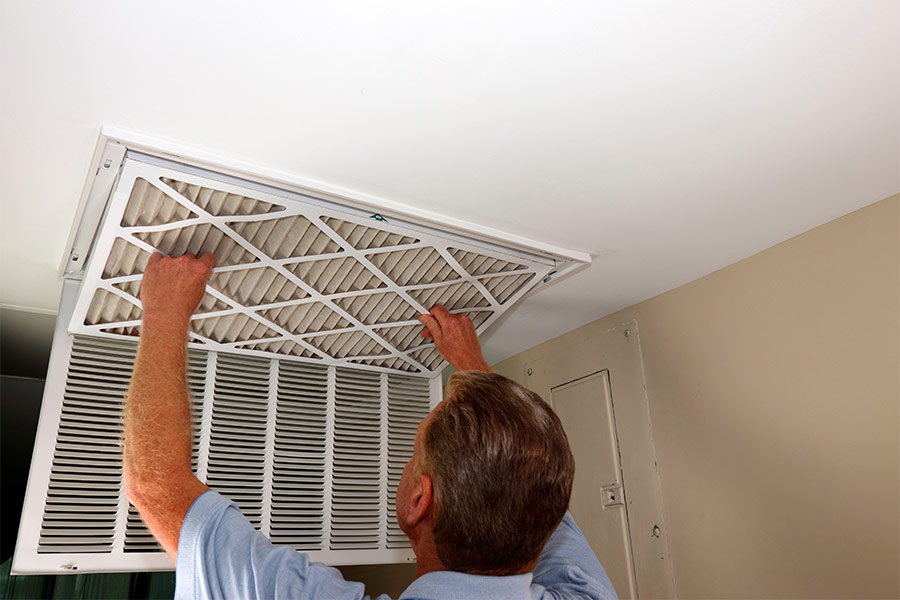
To mitigate this issue, regularly inspect and replace your air filters. Depending on the type of filter and your home’s environment, this can mean changing them every 30 to 90 days. High-efficiency particulate air (HEPA) filters, though more effective at trapping fine particles, may need more frequent checks to ensure they aren’t overly restricting airflow.
Additionally, educating yourself on the appropriate filter type for your specific HVAC system can prevent potential airflow problems. By maintaining clean air filters, you reduce condensation and improve indoor air quality, ensuring your system operates efficiently and effectively. This simple maintenance task can significantly enhance the comfort and health of your living space.
Leaky Ductwork
How does leaky ductwork contribute to condensation on your AC vents? When your ductwork leaks, warm, humid air from unconditioned spaces like attics or crawl spaces can infiltrate the ducts. This warm air meets the cool air traveling through the ducts, causing condensation to form on the metal surfaces, including your vents. The result is often visible moisture, leading to mold growth and damage to your home.
Consider these scenarios:
- Unsealed Joints: Gaps at duct joints allow humid air to enter, increasing moisture levels.
- Damaged Insulation: Torn or missing insulation can’t prevent warm air from contacting cold surfaces.
- Cracked Ducts: Physical damage or aging materials create openings for humid air to seep in.
- Poorly Installed Ducts: Subpar installation practices lead to gaps and misalignments, inviting condensation.
- Disconnected Sections: Sections of ductwork that aren’t correctly connected can leak air, worsening condensation issues.
To address this issue, inspect your ductwork regularly for any signs of leaks or damage. Sealing and insulating your ducts properly can significantly reduce condensation problems. By taking these steps, you’re protecting your AC system and ensuring a healthier living environment for those you serve.
Inadequate Airflow
In addition to leaky ductwork, inadequate airflow can also contribute to condensation on your AC vents. When airflow is restricted, the air around your vents becomes cooler than it should be. This cooling effect lowers the temperature of the vent surfaces, making them more susceptible to condensation as humid air passes over them.
Several factors can lead to inadequate airflow. First, check your air filters. Dirty or clogged filters impede airflow, causing the system to work harder and less efficiently. Replace them regularly to guarantee peak performance. Second, inspect the vents and registers throughout your home. Blockages caused by furniture, drapes, or debris can restrict airflow, leading to uneven cooling and potential condensation issues.
Verify that the blower fan is functioning correctly. A malfunctioning fan can’t circulate air efficiently, exacerbating condensation problems. Also, consider the size and layout of your ductwork. Undersized ducts restrict airflow, while poorly designed layouts can lead to airflow imbalances.
Malfunctioning AC Unit
A malfunctioning AC unit can significantly contribute to condensation issues on your vents. When your air conditioning system isn’t operating correctly, it can lead to complications that promote excessive moisture buildup. To address and prevent this, you must understand some common malfunctions that cause these issues.
- Refrigerant Leaks: If your unit is low on refrigerant, it won’t cool the air efficiently, causing the evaporator coil to freeze and thaw, leading to water accumulation.
- Dirty Coils: Evaporator or condenser coils covered in dirt and debris can’t transfer heat effectively, resulting in poor cooling performance and elevated humidity levels.
- Faulty Blower Fan: A malfunctioning blower fan disrupts airflow, causing uneven cooling and higher moisture levels in certain areas.
- Blocked Drain Line: An obstructed condensate drain line prevents proper drainage, leading to water backing up and increasing condensation around the vents.
- Improperly Sized Unit: An AC unit that is too large or too small for your space won’t cycle correctly, leading to inadequate humidity control and excess condensation.
Conclusion
You’ve got the tools to tackle AC vent condensation effectively. Did you know that homes with humidity levels above 50% are markedly more prone to condensation issues? You can keep your HVAC system running smoothly by focusing on proper insulation, maintaining clean filters, and ensuring efficient airflow. Regular inspections and addressing any duct leaks are also vital. Don’t let condensation compromise your comfort—stay proactive and informed to maintain a moisture-free environment.
Frequently Asked Questions
How Can I Prevent Condensation From Dripping Onto My Floors?
To prevent condensation from dripping onto your floors, properly insulate the AC ducts and vents, guarantee good airflow, and maintain ideal humidity levels. Also, regularly inspect and clean the system to avoid blockages and improve efficiency.
Are There Specific Materials That Reduce Condensation on AC Vents?
Consider copper coatings and closed-cell insulation—they’re essential in curbing condensation. Copper’s conductivity and insulation’s impermeability prevent moisture buildup. Incorporating these materials eliminates drips and guarantees a dry, damage-free environment for others.
What Are the Health Risks Associated With Condensation on AC Vents?
When it rains, it pours: condensation on AC vents can lead to mold growth, which can cause respiratory issues, allergies, and asthma. You should address this promptly to protect your household’s health and guarantee a safe environment.
Is Professional Maintenance Needed to Address Persistent Condensation Issues?
Yes, you’ll need professional maintenance to address persistent condensation issues. A technician can diagnose underlying problems, such as insulation deficiencies or airflow imbalances, ensuring your AC system operates efficiently and prevents mold or structural damage.