


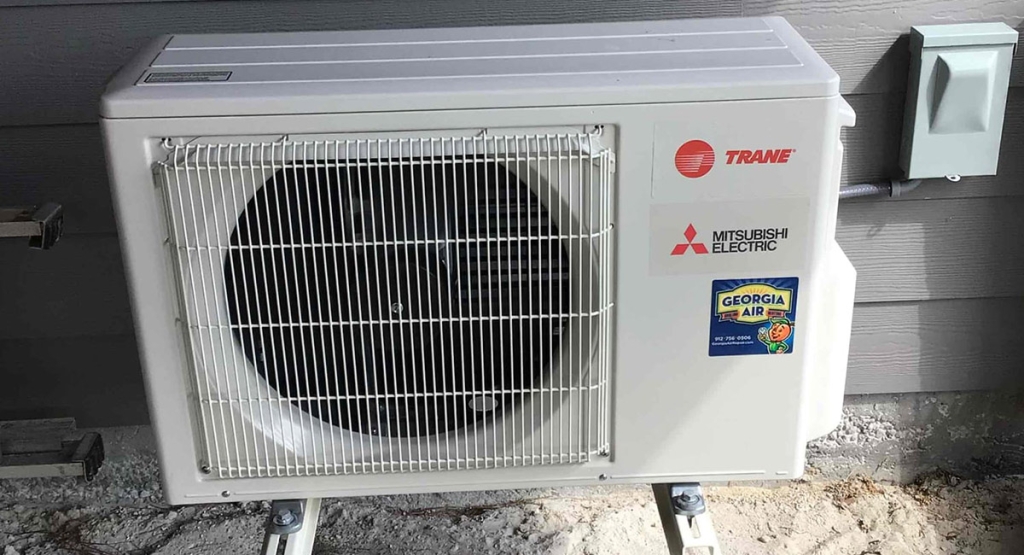
BTU stands for British Thermal Unit, a measurement of energy. Historically, the BTU was defined as the amount of heat required to raise the temperature of one pound of water by one degree Fahrenheit. In the context of air conditioning, BTU refers to the amount of heat an AC unit can remove from a room in an hour. Think of it as a measure of the cooling power of your air conditioner.
Understanding BTU in AC Systems
So, why is BTU important in AC systems? The BTU rating tells you how effectively an AC unit can cool a space. A unit with too few BTUs will struggle to cool your home, working overtime and increasing your energy bills. Conversely, an AC with too many BTUs will cool the space too quickly, leading to a cycle of frequent starts and stops, which can also waste energy and lead to higher costs.
BTU and Air Conditioning Efficiency
How does BTU affect air conditioner performance and efficiency? The right BTU rating ensures that your air conditioner operates efficiently. An appropriately sized unit will maintain a steady, comfortable temperature without unnecessary energy consumption. For example, a 5,000 BTU air conditioner is suitable for a small bedroom, while a 12,000 BTU unit might be needed for a larger living room.
How Does BTU Affect Air Conditioner Performance?
Choosing the correct BTU rating is crucial for optimal AC performance. If your air conditioner is underpowered (low BTU), it will run continuously, trying to achieve the desired temperature but never quite getting there. This constant operation not only consumes more electricity but also wears out the unit faster. On the other hand, an overpowered AC (high BTU) will cool the room too quickly, shutting off before it can dehumidify the air properly, leaving the space feeling clammy. Regular AC maintenance is essential to ensure your system operates efficiently and avoids these issues. By scheduling routine maintenance, you can help your air conditioner maintain the correct balance of cooling and dehumidification, extending its lifespan and improving overall performance.
Why is BTU Important for Air Conditioners?
BTU is essential for selecting the right air conditioner because it directly impacts the unit’s efficiency and effectiveness. An accurate BTU calculation helps ensure you’re not wasting energy or money. When you select an AC unit with the appropriate BTU rating, you’re making an investment in both comfort and cost savings.
Choosing the Right BTU for Your AC Unit
To choose the right BTU for your AC unit, you need to consider the size of the space you want to cool. As a general rule, you need about 20 BTUs per square foot of living space. Here’s a quick guide:
- Small rooms (100-200 sq. ft.): 5,000-6,000 BTUs
- Medium rooms (200-400 sq. ft.): 7,000-10,000 BTUs
- Large rooms (400-600 sq. ft.): 12,000-14,000 BTUs
Additionally, factors like ceiling height, insulation quality, and room usage can affect your BTU needs. For example, kitchens typically require more cooling power due to heat from appliances.
How to Calculate BTU for Air Conditioning Needs
Calculating the right BTU for your needs involves a few steps:
- Measure the square footage of the room.
- Multiply the square footage by 20 BTUs.
- Adjust for specific conditions (e.g., add 10% for a sunny room, subtract 10% for a shaded room).
Using this method, you can ensure your AC unit is correctly sized for your space, leading to better performance and energy efficiency.
BTU and Cooling Capacity of Air Conditioners
The cooling capacity of an air conditioner is directly linked to its BTU rating. A higher BTU rating means a higher cooling capacity, but this doesn’t always translate to better performance. The key is matching the BTU rating to your specific needs. Over time, this balance will help you maintain a comfortable home environment while keeping energy costs in check.
Still Confused about BTU? Call Us For Assistance
If you’re unsure about which BTU rating is right for your home, don’t hesitate to reach out to professional HVAC services. They can provide expert advice and help you select the perfect AC unit for your needs. Contact us today to learn more and schedule a consultation.