
It can be frustrating and uncomfortable if your AC compressor keeps shutting off. Understanding several factors causing this issue can help you pinpoint the root cause. Low refrigerant levels, electrical issues, or even something as simple as a dirty air filter could be to blame. Each problem requires a different approach to fix, and ignoring them can lead to costly repairs. So, what could be the underlying issue affecting your system? Let’s explore the most common causes and how you can address them effectively.
Low Refrigerant Levels
When your AC compressor struggles, one of the primary culprits could be low refrigerant levels, which hamper the system’s ability to cool effectively. Refrigerant is essential for heat exchange; without enough, your AC can’t maintain the desired temperature. You’ll notice that the compressor cycles on and off more frequently, leading to inefficiency and potential damage.
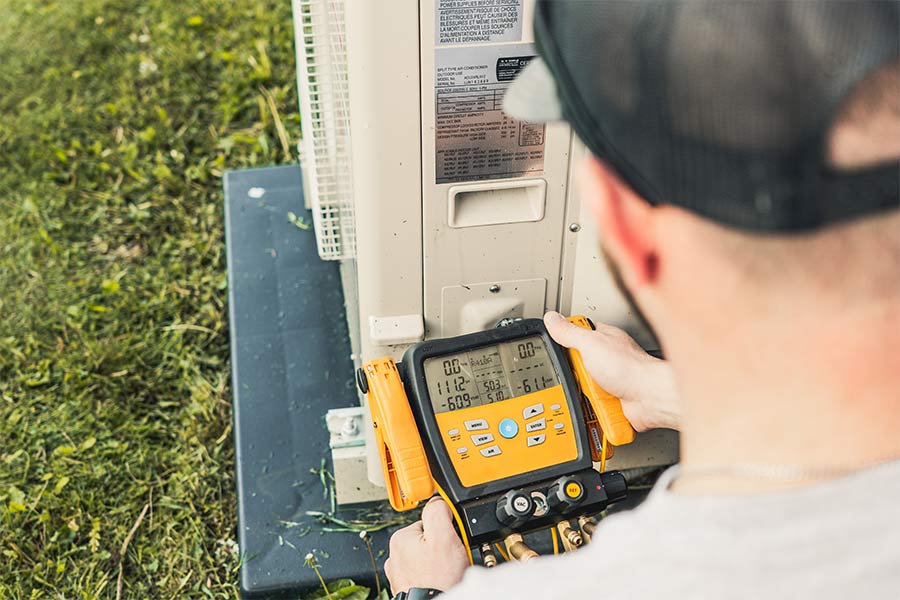
First, listen for hissing sounds near the AC unit, which might indicate a leak. Then, inspect the evaporator and condenser coils for signs of frost buildup, a common symptom of low refrigerant. If you observe these issues, contact a certified technician. They’ll have the proper tools to measure refrigerant levels accurately and identify leaks.
When adding refrigerant, make sure a professional does it. Incorrect handling can result in overcharging or undercharging, further complicating the problem. Additionally, a technician can seal any leaks and conduct a thorough system check to prevent future issues.
Electrical Issues
Electrical issues can disrupt your AC compressor’s functionality, often stemming from faulty wiring, tripped circuit breakers, or malfunctioning capacitors. When electrical connections are compromised, the compressor may receive inconsistent power, causing it to shut off unexpectedly. Inspecting the wiring for any visible signs of damage or corrosion is essential. Loose or frayed wires can interrupt the electrical flow, so verify all connections are secure and intact.
Tripped circuit breakers are another common culprit. If the circuit breaker trips frequently, it might indicate an underlying issue with the electrical load or a short circuit. Resetting the breaker can provide a temporary fix, but you should investigate the root cause to prevent recurring problems.
Capacitors, which store electrical energy to help start and run the compressor, can also fail over time. A malfunctioning capacitor may cause the compressor to fail to start or shut off intermittently. Testing the capacitor with a multimeter can help determine if it’s functioning correctly; if not, replacing it is necessary.
Dirty Air Filters
Over time, dirty air filters can severely impact your AC compressor’s efficiency and longevity. When air filters become clogged with dust and debris, airflow is restricted, causing the AC unit to work harder to circulate air. This additional strain can lead to frequent compressor shutdowns, reducing lifespan and efficiency.
To prevent this, you should regularly check and replace your air filters. Here are the primary reasons why maintaining clean air filters is essential for your AC system:
- Improved Airflow: Clean filters guarantee unobstructed airflow, allowing your system to operate smoothly.
- Energy Efficiency: When your AC doesn’t have to work as hard, it consumes less energy, lowering your utility bills.
- Enhanced Indoor Air Quality: Clean filters trap dust, pollen, and other particles, creating a healthier indoor environment.
- Reduced Wear and Tear: By minimizing strain on the compressor, you extend the lifespan of your AC unit.
- Consistent Performance: Regular maintenance guarantees your AC operates at peak performance, providing consistent cooling.
Thermostat Problems
Thermostat problems can significantly impact your AC compressor’s functionality, often leading to inefficient cooling cycles and increased energy consumption. If your thermostat isn’t calibrated correctly, it may send incorrect temperature readings to the AC unit. This can cause the compressor to cycle on and off more frequently than necessary, disrupting your home’s comfort and placing undue stress on the system.
Check if your thermostat is placed in an area prone to inaccurate readings, like near windows or direct sunlight. Relocating it can help guarantee it measures the actual room temperature. Additionally, verify the thermostat is set to the correct mode and temperature. Sometimes, a simple adjustment can prevent the compressor from shutting off prematurely.
Inspect the wiring and connections inside the thermostat housing. Loose or corroded wires can disrupt the signal to the AC unit, leading to erratic compressor behavior. If you’re uncomfortable performing these checks, consult a professional technician who can diagnose and fix any electrical issues.
Overheating Compressor
Monitoring your thermostat is important, but it’s equally essential to address the issue of an overheating compressor, which can severely damage your AC system and reduce its lifespan. The compressor is the heart of your air conditioning system, and when it overheats, it can lead to frequent shutdowns and potential failure. Understanding the causes of an overheating compressor is vital for maintaining ideal performance.
Several factors can contribute to this problem:
- Insufficient refrigerant levels: Low refrigerant can cause the compressor to work harder, generating excessive heat.
- Electrical issues: Faulty wiring or a malfunctioning capacitor can lead to improper electrical flow and overheating.
- Dirty air filters: Clogged filters restrict airflow, causing the compressor to overexert and overheat.
- Inadequate ventilation: Poor ventilation around the compressor unit can trap heat, exacerbating the overheating issue.
- Mechanical problems: Worn-out parts such as bearings and pistons can create additional friction and heat.
Regular maintenance and timely inspections can help you identify these issues before they escalate. By addressing the root causes of an overheating compressor, you not only enhance the efficiency of your AC system but also extend its operational life, ensuring comfort for those you serve.
Blocked Condenser Coils
Blocked condenser coils can greatly hinder your AC system’s ability to dissipate heat, leading to decreased efficiency and potential system failure. When the condenser coils are blocked by dirt, leaves, or other debris, they can’t effectively release the heat absorbed from your home. This causes the compressor to work harder and longer, increasing the risk of overheating and frequent shutdowns.
First, turn off the AC unit to check for blocked condenser coils. Next, inspect the external unit’s coils for visible debris. If you notice any buildup, you can clean it using a soft brush or a vacuum with a brush attachment. A specialized coil cleaner can be applied to clean the area more thoroughly. Ensure you follow the manufacturer’s instructions carefully to avoid damaging the coils.
Faulty Capacitor
A faulty capacitor can severely compromise your AC compressor’s performance, leading to inefficient cooling and potential system breakdowns. The capacitor is a critical component that provides the necessary electrical charge to start the compressor and keep it running. When it fails, the compressor may struggle to start or keep shutting off, disrupting the entire cooling process.
Capacitors can degrade over time due to wear and tear, overheating, or power surges. Here are some signs that might indicate a faulty capacitor:
- Frequent cycling: The compressor turns on and off repeatedly.
- Delays in starting: The AC takes longer to start or won’t start at all.
- Humming noise: A noticeable humming sound when the AC tries to start.
- Burn marks: Visible signs of damage or burn marks on the capacitor.
- Physical swelling: A bulging or swollen capacitor casing.
If you observe any of these symptoms, it is crucial to act quickly. Inspect the capacitor visually and use a multimeter to measure its capacitance. Replacing it can restore your AC system’s efficiency and prevent further damage if it’s faulty. Always prioritize safety and consult a professional if you’re unsure about handling electrical components.
Refrigerant Leaks
Just as a faulty capacitor can hinder your AC compressor’s performance, refrigerant leaks pose another significant threat to the efficiency and functionality of your air conditioning system. When refrigerant levels drop due to a leak, your AC can’t effectively absorb heat from your home, causing the compressor to work harder and eventually shut off to prevent damage. This can lead to inconsistent cooling, increased energy consumption, and potential compressor failure.
To identify a refrigerant leak, look for signs like ice buildup on the evaporator coils, hissing sounds from the unit, or diminished cooling performance. You might also notice an unexplained increase in energy bills. It’s essential to address refrigerant leaks promptly because running an AC with low refrigerant can strain the compressor and other components, leading to costly repairs or replacements.
Conclusion
So, if your AC compressor keeps shutting off, it’s time to play detective. Check for low refrigerant levels, electrical gremlins, dirty air filters, and thermostat hiccups. Don’t forget to inspect for overheating compressors, blocked condenser coils, and faulty capacitors. Ignoring these issues is like throwing money into a bottomless pit. By addressing them promptly, you’ll guarantee efficient cooling and extend your AC’s lifespan. Take action now to avoid sweating bullets later.
Frequently Asked Questions
How Can I Tell if My AC Compressor Is the Correct Size for My System?
You can determine if your AC compressor is the correct size by checking the manufacturer’s specifications and comparing them to your system’s requirements. Measure the cooling load and verify the compressor’s capacity matches your system’s needs.
Does Poor Maintenance Affect the Performance of My AC Compressor?
Yes, poor maintenance profoundly impacts your AC compressor’s performance. Dirty filters, clogged coils, and neglected lubricants lead to inefficiencies and eventual failures, making it essential to conduct consistent checks and care for the best performance.
Can a Malfunctioning Expansion Valve Cause the AC Compressor to Shut Off?
Yes, a malfunctioning expansion valve can cause the AC compressor to shut off. When the valve fails, it disrupts the refrigerant flow, leading to pressure imbalances that trigger the compressor’s safety mechanisms to prevent damage.
What Role Does the AC Compressor Play in Energy Efficiency?
The AC compressor is essential for energy efficiency, as it circulates refrigerant and enables heat exchange. Efficient operation minimizes energy consumption, reducing costs and environmental impact, ultimately helping you provide better service to your clients.