
Key Points
- UV lights target biological growth. They work best at keeping mold and bacteria from growing on your cooling coil, drain pan, and nearby surfaces.
- They don’t filter particles. UV light can’t remove dust, pollen, or pet dander, so you still need a quality air filter.
- Home units have limits. EPA research notes that typical residential UV systems have limited effectiveness against airborne bacteria and mold spores.
- Choose ozone-free lamps. Some UV lamps produce ozone, a lung irritant, so professional selection and installation matter.
- Bulbs need maintenance. UV lamps need periodic cleaning and replacement to stay effective, usually as part of your indoor air quality service.
UV lights in HVAC systems can be effective at one job in particular: keeping mold and bacteria from growing on your AC coil and drain pan. But they aren’t a replacement for a good air filter. Here’s what Savannah homeowners should know before investing in one.
The HVAC system in your home plays a significant role in how comfortable your house is for you and your loved ones. While its main purpose is to keep your home from getting too hot or too cold, it’s also central to your indoor air quality.
Many homeowners wonder about UV light in HVAC effectiveness, since these systems promise to sanitize your air with little effort. Read on to learn how UV lights work, what they do well, and where they fall short. Then turn to the Savannah air conditioning repair team at Georgia Air Conditioning & Heating Repair for professional installation of a UV light purification system.
What Is UV Light?
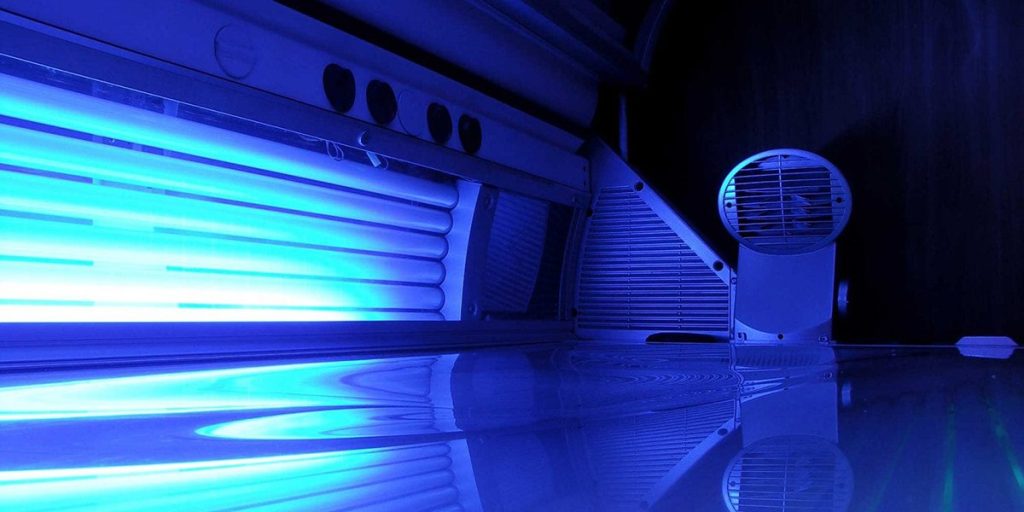
UV stands for ultraviolet, a wavelength of light the human eye can’t see. HVAC systems use a type called UV-C, or ultraviolet germicidal irradiation (UVGI). With enough exposure time and intensity, UV-C light damages the genetic material of microorganisms like bacteria, viruses, and mold, which prevents them from reproducing.
This type of sanitation fits well in HVAC systems because the lamps are compact, long-lasting, and run automatically without input from the homeowner. However, they do require professional installation and periodic maintenance to keep working properly.
How Do UV Light Sanitization Systems for HVAC Units Work?
UV light systems sanitize without chemicals. According to the EPA, UVGI cleaners use UV lamps that may destroy biological pollutants such as viruses, bacteria, and molds, either in the air or growing on HVAC surfaces like cooling coils, drain pans, and ductwork.
There are two main types of HVAC UV systems:
- Coil sanitizers: These lamps shine continuously on your evaporator coil and drain pan. Because the coil stays damp during cooling season, it’s a common spot for mold and bacteria to grow. Constant UV exposure keeps those surfaces cleaner.
- Air sanitizers: These lamps are placed in the ductwork to treat air as it passes by. Because air moves quickly, it only gets a brief exposure, which limits how many microorganisms are affected.
However, these systems don’t filter your air on their own. The EPA advises that UVGI cleaners should be used with, but not as a replacement for, filtration systems. A UV light can be an excellent addition to your existing filter, but physical filtration is still crucial to overall air quality.
Benefits of UV Light Sanitization Systems
The ability to sanitize parts of your HVAC system without harsh chemicals is valuable for several reasons:
- Cleaner coils and drain pans: In humid climates like coastal Georgia, the evaporator coil and drain pan stay damp for much of the year. UV light helps keep mold and bacterial growth in check on these surfaces.
- Compact and low-effort: UV systems take up very little space and run automatically. Aside from periodic bulb cleaning and replacement, they need little attention.
- Support for sensitive households: Reducing microbial growth inside your system can be helpful for family members with asthma or respiratory sensitivities, especially when paired with a quality filter.
- Fewer musty odors: Mold and mildew growing on a damp coil are a common source of musty smells. By limiting that growth, UV lights can help reduce those odors.
UV lights are one layer of protection, not a complete solution. For the best results, they should be part of a broader indoor air quality plan that includes good filtration and humidity control.
Shortcomings of UV Sanitization Systems
While a UV light sanitization system is a good option for many homeowners, it has real limitations:
- It doesn’t remove particles. Without physical filters, a UV system can’t remove dust, pollen, pet dander, or other airborne particles.
- Airborne effectiveness is limited. According to the EPA, typical UVGI cleaners used in homes have limited effectiveness in killing bacteria and molds. Effectively destroying some viruses and most mold and bacterial spores usually requires much higher UV exposure than a typical home unit provides.
- Inactivated particles remain. Even when UV light inactivates microorganisms, it doesn’t remove the particles they leave behind. That debris, combined with dust, can still build up in your system and on your filter.
- Leaky ducts reduce benefits. If unfiltered air enters your system through leaks in the ductwork, it bypasses both your filter and your UV light.
Watch for reduced airflow or rising energy bills, which can signal buildup in your system. An experienced HVAC company can pair your UV unit with the right air filter, check your ducts for leaks, and handle routine AC maintenance so you get the full benefit of your UV light.
Hazards of UV Light Systems
UV light systems are a safe upgrade when installed and maintained correctly, but they need to be handled with care. Always leave UV servicing to the professionals.
- Ozone production: Some UV lamps, particularly uncoated lamps that emit shorter wavelengths, can produce ozone. The EPA notes that ozone is a lung irritant that can cause adverse health effects. Choosing lamps certified as ozone-free and having them installed correctly is essential.
- Skin and eye damage: Direct exposure to UV-C light can harm your skin and eyes. Most systems include safety switches that shut the lamp off when the access panel is opened, but you should never look at an operating lamp or open the unit without proper knowledge.
Decisions Regarding UV Light in HVAC Systems
UV light systems can help keep your HVAC system cleaner, but there are a few decisions to make before installation:
- Coil vs. air placement: Decide whether your goal is to keep the coil and drain pan clean or to treat moving air. Coil sanitizers are the most common choice for homes.
- Number and strength of lamps: Larger systems or duct installations may need more than one lamp. The right number depends on your equipment and goals.
- Duct and installation conditions: The EPA notes that reflective surfaces like polished aluminum can intensify UV exposure in a duct, while typical duct liner material reflects little UV light. A technician can assess your setup.
- Cost and ongoing maintenance: Factor in both the upfront cost and periodic bulb replacement.
In some situations, it may be better to invest in a high-quality air filter before adding a UV light. The two work well together, but homeowners are usually better off with a superior air filter than with only a UV light. If you already have an effective filter, a UV sanitizer can be a worthwhile upgrade.
Working with an experienced heating and air conditioning company simplifies the process. An expert can help you choose the right system for your home and handle the installation correctly.
Is a UV Light Sanitization System Right for Me?
If you’re considering a UV light for your home, start with your goal. UV systems don’t filter particles out of the air. They inactivate microorganisms, mostly on system surfaces. So if your main goal is reducing seasonal allergies from pollen and dust, a higher-efficiency air filter or whole-home air purifier is usually the better first step.
A UV light may be a good fit if:
- You’ve had mold or musty odors coming from your HVAC system.
- Your coil and drain pan stay damp for long stretches, which is common in humid coastal Georgia homes.
- Someone in your home has respiratory sensitivities and you want an extra layer of protection alongside good filtration.
- You already have a quality filter and want to upgrade your system further.
Our technicians can evaluate your home and recommend the right combination of filtration, humidity control, and UV sanitation for your air conditioning system.
UV Light in HVAC FAQs
Do UV lights in HVAC systems really work?
Yes, for the right purpose. UV lights are effective at limiting mold and bacterial growth on constantly exposed surfaces like the evaporator coil and drain pan. They’re less effective at treating moving air in a typical home system, and they don’t remove particles.
Can a UV light replace my air filter?
No. The EPA advises that UV cleaners should be used with, but not as a replacement for, filtration systems. You still need a quality air filter to capture dust, pollen, and other particles.
Do HVAC UV lights produce ozone?
Some can. Ozone-free lamps are widely available, and choosing a certified ozone-free model is the best way to avoid this risk. EPA-reviewed studies found that UV lamps used to irradiate air-handler surfaces did not increase ozone levels.
How often do HVAC UV bulbs need to be replaced?
UV lamps lose strength over time and need periodic cleaning and replacement. Replacement intervals vary by manufacturer, so follow the product’s guidance or have your technician check the lamp during routine maintenance.
Are UV lights worth it in a humid climate like Savannah?
They can be. Coastal Georgia’s humidity keeps AC coils and drain pans damp for much of the year, which creates ideal conditions for mold growth. A coil-focused UV light can help keep those surfaces cleaner.
Get Expert UV Light and Indoor Air Quality Help Today
The heating and cooling systems in your home play a vital role in keeping you and your loved ones comfortable all year long. Finding a trustworthy repair and maintenance company is an essential part of owning an air conditioner.
Fortunately, residents of Savannah can always turn to Georgia Air Conditioning & Heating Repair for their installation and maintenance needs. Our NATE-certified technicians make sure your new UV purification system is functioning correctly and that the rest of your system is in good shape before we complete the project.
Now you know what to expect from UV light in HVAC systems. Our website is full of helpful information, so feel free to explore if you want to learn how frequent HVAC repair should be or find answers to other frequently asked HVAC questions. If you’re ready to install a UV light sanitization system in Savannah, Georgia, call Georgia Air Conditioning & Heating Repair at 912-513-3756 or contact us online to schedule service today.