


Freon Recharge in Richmond Hill, GA
- Last Updated: September 21, 2026
- Priority Scheduling
- Repair Discounts
- 21 Point Inspection
- Warranty
Contact Us
If your air conditioner is not cooling as it used to, low Freon is often the culprit, and it is worth understanding what that actually means. Georgia Air Conditioning & Heating Repair provides Freon recharge services for homeowners in Richmond Hill, backed by NATE-certified technicians who diagnose the root cause rather than just topping off refrigerant and sending you on your way. We believe in fixing the cause, not just the symptom.
Our Services:
- AC Capacitor Replacement
- AC Compressor Repair
- AC Coil Cleaning
- AC Maintenance
- AC Tune-Up
- AC Replacement & Installation
- AC Repair
- AC Vent Cleaning
- Commercial AC Installation & Repair
- Ductless Mini Split Installation
- Ductless Mini Split Repair
- Emergency Furnace Repair
- Emergency AC Repair
- Freon Recharge
What Your Neighbors Are Saying About Us
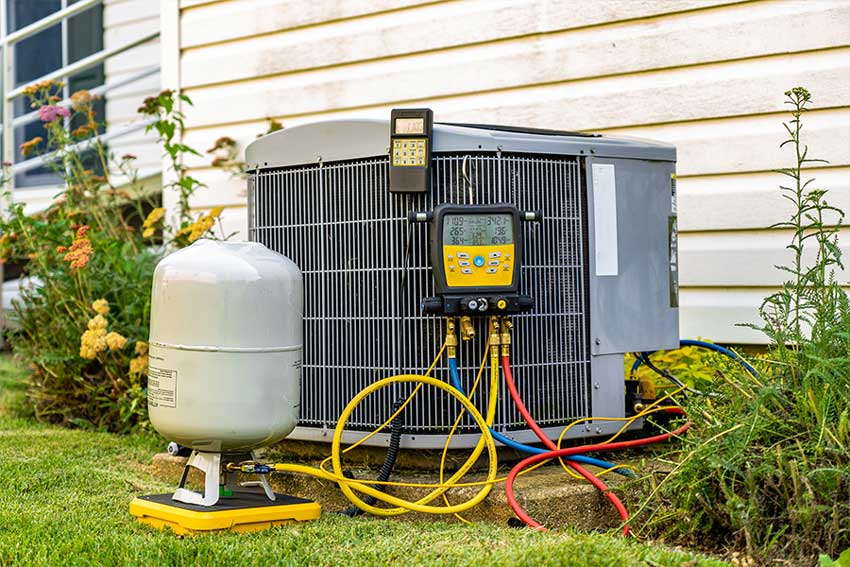
Low Refrigerant Means a Leak, Not Normal Wear
Many homeowners assume Freon is used up over time, much like gas in a car. That is not how it works. Refrigerant operates in a sealed, closed-loop system, which means it should never run low on its own. If your system needs a recharge, it is because refrigerant is leaking out somewhere in the lines, coils, or connections.
Simply adding more refrigerant without finding the leak is only a temporary fix. The level will drop again, often within months, and you will be right back where you started. Even a small drop in refrigerant can affect comfort more than most homeowners expect, since your system relies on the exact correct charge to function properly. Our approach always starts with identifying the source of the leak so we can repair it properly and recharge your system with confidence that it will hold.
In Richmond Hill’s coastal climate, salt air can accelerate corrosion of copper lines and coil connections, making leaks more common than in many other regions. Understanding this local factor helps us diagnose issues more quickly and recommend solutions tailored to our environment.
What Happens When a Slow Leak Goes Unaddressed
A slow refrigerant leak might not seem urgent at first, especially if your system still produces some cool air. But ignoring it can lead to bigger problems the longer it continues. As Freon levels drop, your system has to run longer to reach the same temperature, which increases wear on the compressor and drives up your energy bills.
Low refrigerant can also cause the evaporator coil to freeze over, which further restricts airflow and cooling capacity. Once ice forms, the problem tends to snowball, turning a manageable repair into a more involved and costly one. In the worst cases, running a system low on refrigerant for an extended period can damage the compressor, one of the most expensive components to replace.
Addressing a slow leak early protects your system, your comfort, and your budget. What starts as a simple recharge and repair can quickly become a major expense if left unresolved through another long Richmond Hill cooling season. Waiting until the system fails almost always ends up costing more than addressing the issue when it first appears.
R-22 vs R-410A: What This Means for Your System
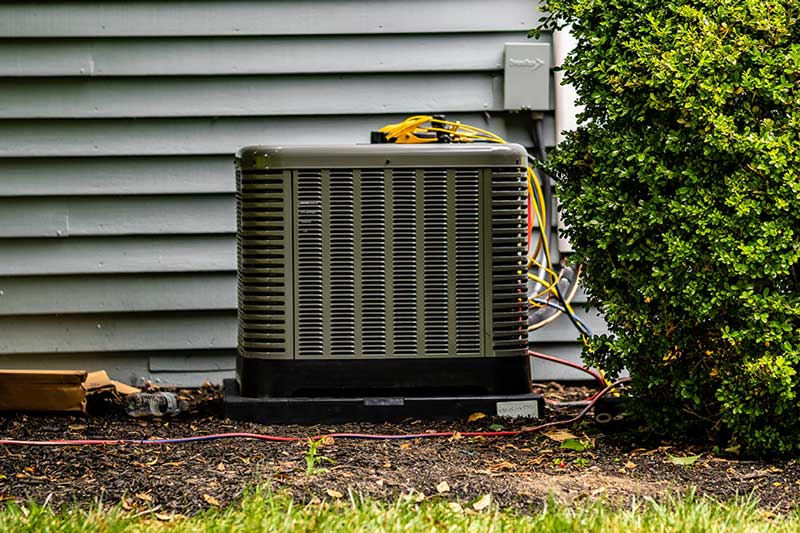
Many homes in our area still rely on older systems that use R-22 Freon, while newer systems use R-410A refrigerant. This distinction matters more than most homeowners realize. R-22 has been phased out of production, which means it is significantly more expensive and harder to source when a system needs a recharge.
If your system uses R-22 and leaks, recharging it can be a costly short-term fix, especially as availability continues to shrink. In many cases, we walk homeowners through the financial implications of continuing to repair an aging R-22 system versus upgrading to a newer, more efficient R-410A system. Our goal is to give you honest information so you can make the choice that fits your home and your budget. We never pressure homeowners into a decision, and we are always happy to answer questions so you feel confident moving forward either way.

Our Process for Finding Leaks and Restoring Proper Charge
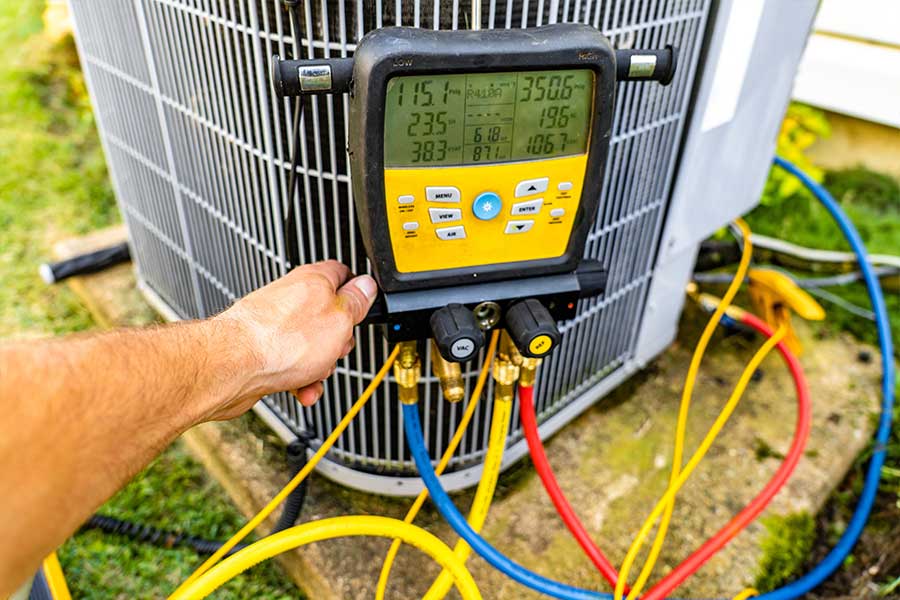
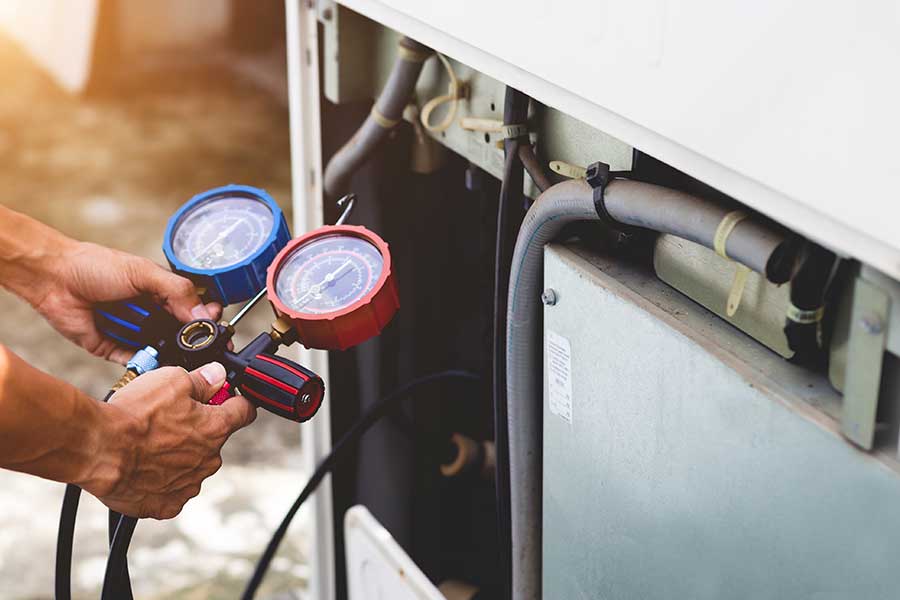
Our process starts with a thorough inspection of your entire refrigerant system, including coils, lines, and connection points. We use specialized leak detection equipment to pinpoint exactly where Freon is escaping, rather than guessing based on symptoms alone. This precision helps us avoid unnecessary repairs and focus only on what your system actually needs. We also explain what we are seeing along the way, so you are never left wondering what a technical term means or why a certain step matters.
Once we identify the source of the leak, we repair it using proper techniques suited to your system’s age and refrigerant type. After the repair is complete, we recharge your system to the manufacturer’s exact specifications, since overcharging or undercharging can both cause performance issues. We finish by testing your system’s performance to confirm it is cooling properly and operating at the correct pressure levels. Throughout the process, we keep you informed so you understand exactly what we found and what it means for your system going forward.
Why Richmond Hill Homeowners Trust Georgia Air Conditioning & Heating Repair
Richmond Hill homeowners trust our team because we combine technical precision with straightforward communication. Here is what you can count on when you work with us.
- 24/7 emergency HVAC service
- NATE-certified technicians
- Upfront, honest pricing
- Strong warranty protection
- Membership program with priority scheduling
- 21-point system inspection
- Southern hospitality you can count on
We believe in doing the job right the first time, which means identifying the root cause rather than offering a quick fix that will not last. We know how uncomfortable a Georgia summer can feel without reliable cooling, which is why we prioritize getting your system back to full performance quickly.
Frequently Asked Questions
Why does my AC need a Freon recharge?
Is it safe to just add Freon without fixing the leak?
What is the difference between R-22 and R-410A?
Can a Freon leak damage my AC system?
How do you find Freon leaks in my system?

Areas We Serve
- Chatham County
- Effingham County
- Georgetown
- Hinesville
- Liberty County
- Midway
- Pooler
- Port Wentworth
- Richmond Hill
- Rincon
- Savannah
- Skidaway Island
- Tybee Island
- Wentworth
- AC Repair
- Furnace Repair
- Wilmington Island
- Whitemarsh Island