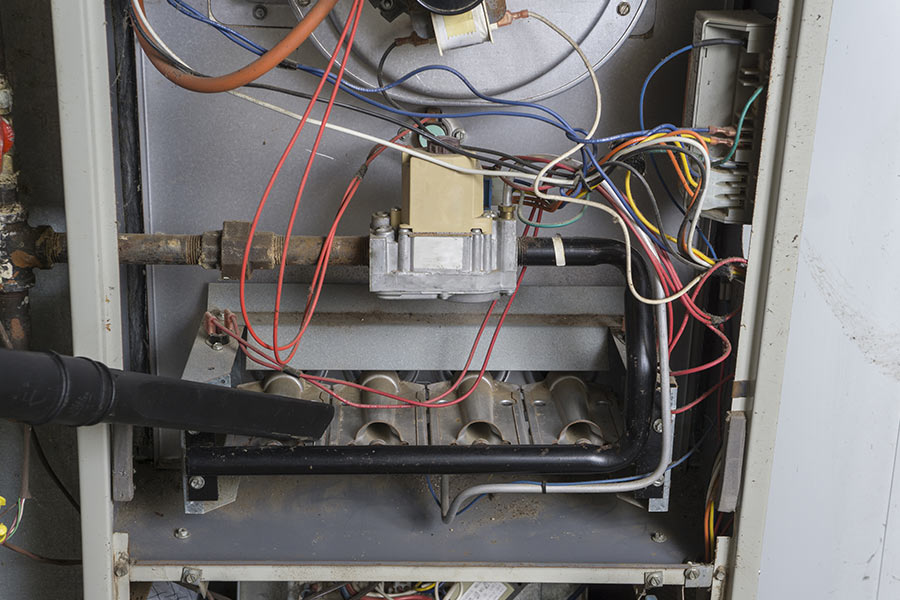


Skidaway Island sits apart from the rest of Chatham County, connected only by a single causeway, and that isolation shapes how homes here are built and maintained. Much of the island falls within The Landings, a large waterfront community where marsh and tidal creek views come with a steady dose of salt laden air. Many residents split their time between Skidaway and other homes throughout the year, leaving furnaces sitting unused for stretches at a time before a cold snap brings them back into service. Georgia Air Conditioning & Heating Repair sends NATE-certified technicians across the island, ready to get furnaces running reliably whether a home is occupied year round or only part of the year.
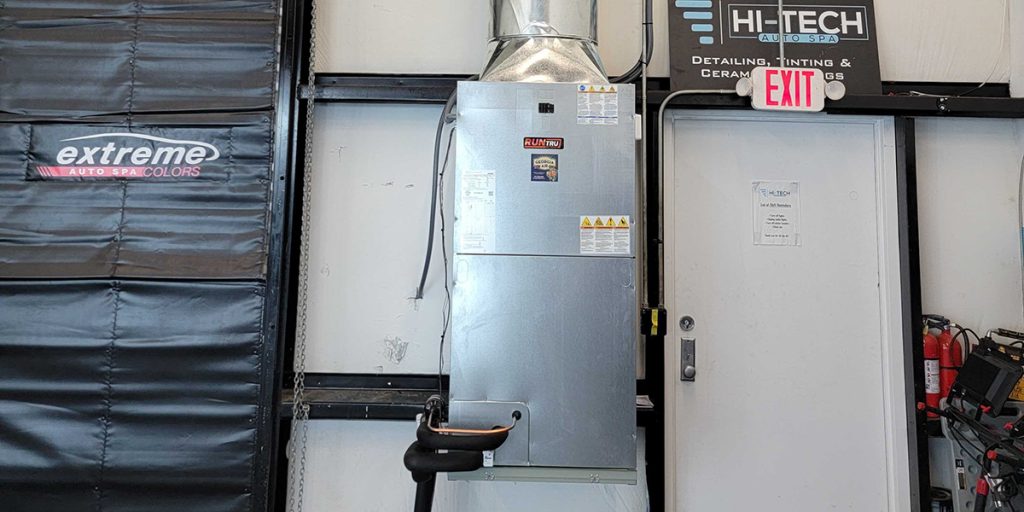
A furnace that has not run in a while can develop problems that only show up once it is finally switched on. Watch for these signs in your Skidaway Island home.
If your furnace shows any of these signs after sitting idle, it is worth having it checked before relying on it.
Homes on Skidaway Island, especially those along the marsh and tidal creeks within The Landings, face a level of salt exposure that accelerates corrosion on furnace components faster than almost anywhere else in the region. Metal parts, electrical contacts, and even wiring insulation can wear down years ahead of schedule when they are constantly exposed to salt laden air coming off the water.
Seasonal occupancy adds another layer to the problem. Furnaces that sit idle for months while residents are away often develop issues with ignition systems or seized components that only reveal themselves once the unit is switched back on for the season. Our technicians are used to working on systems that combine both challenges, checking for corrosion and testing components that may not have run in some time.
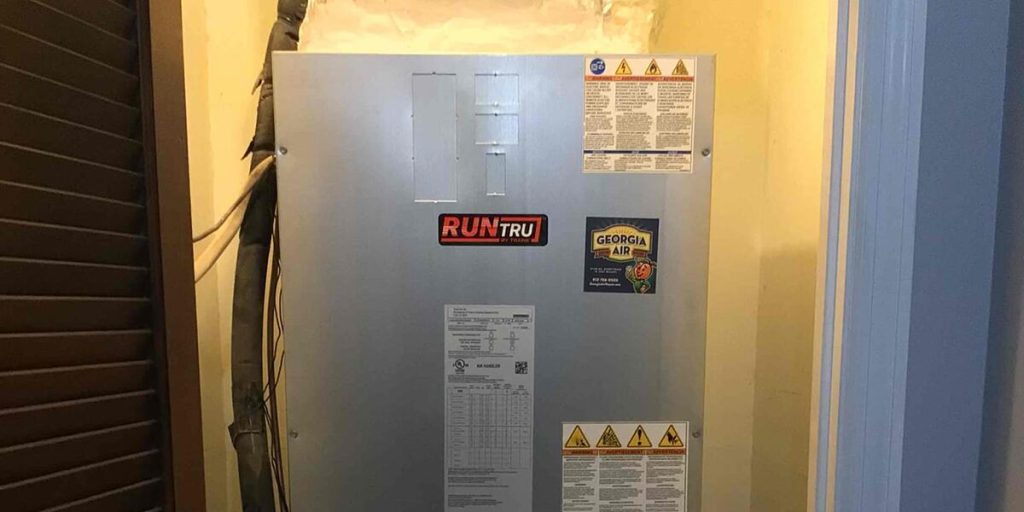
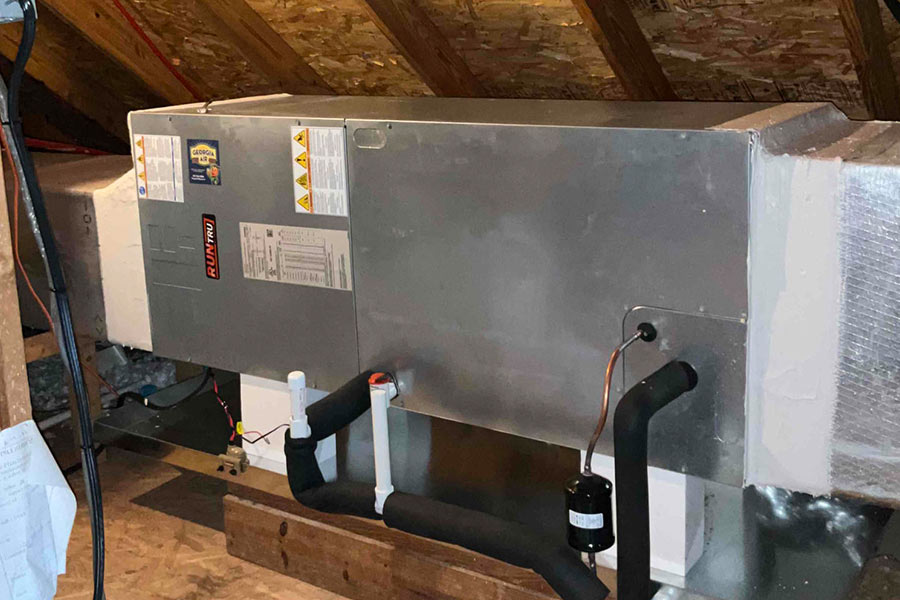
A furnace repair visit on Skidaway Island starts with a careful look at how salt air and time away from the home may have affected the system. Our technicians check for corrosion on electrical connections, test components that may not have run recently, and inspect the ductwork for any issues that developed while the home was unoccupied. You get a clear explanation of what we find along with upfront pricing before any work begins.
Most repairs are finished in a single visit, and our technicians carry the parts most commonly needed for systems affected by coastal air. If your furnace needs something more specific, we will explain exactly what to expect and how long it will take. Every repair carries our warranty protection, so you can count on it holding up through the season.
A homeowner named Patricia in The Landings called us after returning from several months away to find her furnace would not stay lit. She mentioned the home sits close to one of the marsh creeks and had been unoccupied since early spring. A technician found that the igniter had corroded during the months the system sat idle, a common outcome for furnaces exposed to salt air without regular use.
After replacing the igniter and checking the rest of the system for similar wear, the furnace lit reliably and ran without issue. Patricia asked about scheduling a check before she leaves the island each year so the furnace is not sitting untouched the next time she returns.
Skidaway Island homes deal with a mix of salt air and seasonal living that not every HVAC company understands. Here is what sets us apart.
Whether your home is occupied year round or only part of the time, we make sure your furnace is ready when you need it.