
Sitting right along the Savannah River, Port Wentworth deals with a level of moisture in the air that few nearby towns can match. The river, combined with the marshland surrounding the port terminals, keeps humidity high even on cooler days, and that dampness works its way into furnace components over time. Homes here range from decades old cottages near downtown to newer construction north of Interstate 95 in neighborhoods like Rice Hope, each with its own set of quirks. Georgia Air Conditioning & Heating Repair sends NATE-certified technicians throughout Port Wentworth, ready to handle furnace issues shaped by the river, the port, and everything in between.
Furnace trouble in Port Wentworth can sneak up quietly before it becomes impossible to ignore. These are a few signs to watch for.
Catching these symptoms early usually means a simpler, less costly repair.
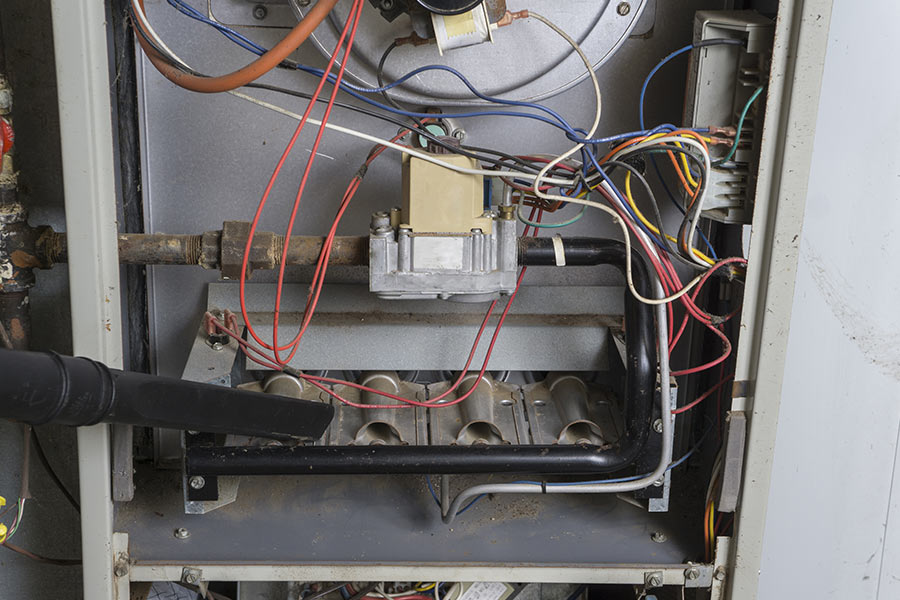
Port Wentworth’s location along the Savannah River means furnace components are exposed to more ambient moisture than in towns further from the water. That moisture, combined with salt-tinged air drifting in from the port and marsh, speeds up corrosion on metal parts and electrical connections, particularly in older homes near downtown that were not built with modern sealing standards.
Newer homes in areas like Rice Hope and Savannah Highlands generally hold up better against the moisture, but their furnaces still face heavy demand during humid stretches. Whether a system was installed decades ago or just a few years back, our technicians know how the river environment shapes the kinds of repairs Port Wentworth furnaces typically need.
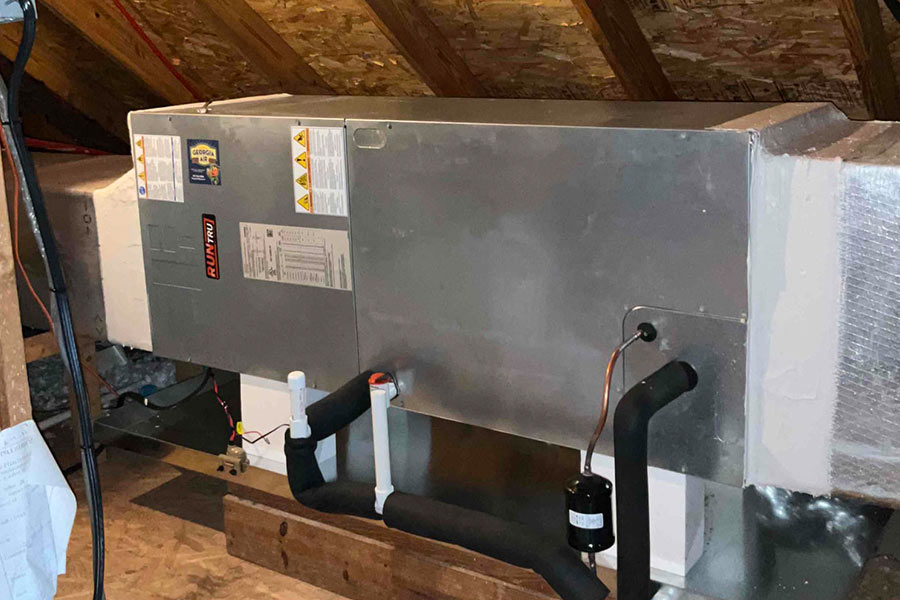
A furnace repair visit in Port Wentworth starts with a look at how the local environment may have affected your system. Our technicians inspect for corrosion, check electrical connections for moisture damage, and test airflow through the ductwork before recommending any fix. You always get an honest explanation of what is wrong along with upfront pricing before work begins.
Most repairs are completed in one visit, using parts our technicians keep stocked for exactly these kinds of jobs. If your system needs something more involved, we will walk you through the timeline and next steps. Every repair comes with our warranty protection, giving you confidence the fix will hold up in Port Wentworth’s demanding climate.
A homeowner named Marcus in Rice Hope reached out when his furnace started giving off a musty smell every time it kicked on. He had noticed the smell growing stronger over a few weeks but assumed it would pass on its own. A technician inspected the unit and found moisture had built up around the heat exchanger, likely from months of humid air being pulled through a poorly sealed duct joint.
After resealing the ductwork and cleaning the affected components, the smell disappeared and the furnace ran normally again. Marcus mentioned he had never realized how much the humidity near the river could affect a system indoors, and he asked about scheduling a yearly check going forward.
Port Wentworth homeowners deal with a unique mix of river humidity and industrial air, and we know how to work with both. Here is what makes us the team to call.
From downtown cottages to the newest homes north of the interstate, we keep Port Wentworth furnaces running right.