
Improving indoor air quality in Richmond Hill, GA, is essential for your health and comfort. By making a few simple adjustments, you can breathe easier and create a healthier living environment. From changing air filters regularly to monitoring carbon monoxide levels, there are practical steps you can take. Curious about how these tips can transform your space? Let’s explore them one by one.
Regularly Change Air Filters
When you regularly change your air filters, you not only improve your indoor air quality but also enhance the efficiency of your HVAC system.
Dirty filters can restrict airflow, forcing your system to work harder and potentially leading to costly repairs. By replacing these filters every one to three months, you’ll guarantee cleaner air and a more efficient operation.
It’s easy to forget about air filters, but setting a reminder can help you stay on track. Choose filters with a higher MERV rating for better particle capture, including dust and allergens.
Check your filters monthly, especially during peak usage seasons. If you notice them getting dirty sooner, adjust your schedule accordingly.
Regular maintenance, like changing air filters, keeps your HVAC running smoothly and prolongs its lifespan. Furthermore, maintaining good indoor air quality is crucial for preventing health problems associated with poor air quality. In the end, you’ll breathe easier and enjoy a comfortable home all year round.
Invest in an Air Purifier
If you want to enhance your home’s air quality, investing in an air purifier can make a significant difference.
There are various types available, each designed to tackle specific pollutants and allergens.
Understanding the benefits of these devices will help you choose the right one for your space. Additionally, many air purifiers can work in tandem with air conditioning systems to improve overall indoor air quality.
Types of Air Purifiers
Investing in an air purifier can greatly enhance your indoor air quality, especially if you’re concerned about allergens, pollutants, or odors.
There are several types to evaluate. HEPA filters are excellent for trapping small particles like dust and pet dander. Activated carbon purifiers excel at absorbing odors and volatile organic compounds (VOCs).
UV air purifiers use ultraviolet light to kill bacteria and viruses, providing an extra layer of protection. Ionizers release charged particles that attach to pollutants, making them heavier and easier to filter out.
Depending on your needs, you might also find combo units that incorporate multiple technologies. Understanding these options can help you choose the right air purifier for your home, ensuring a healthier living environment.
Benefits of Air Purifiers
Air purifiers offer significant advantages for your home, especially if you’re looking to improve your indoor air quality. They effectively remove allergens, dust, pet dander, and even harmful pollutants, creating a cleaner environment for you and your family.
By investing in an air purifier, you can reduce allergy symptoms and respiratory issues, making your living space healthier and more comfortable. Many models also feature HEPA filters, which capture microscopic particles, ensuring you breathe easier.
Additionally, air purifiers can help eliminate odors, leaving your home smelling fresh. With regular use, they contribute to a more pleasant atmosphere, enhancing your overall well-being.
Control Humidity Levels
While maintaining the right humidity levels in your home is essential for comfort and health, it can often be overlooked. High humidity can lead to mold growth and dust mites, while low humidity can cause dry skin and respiratory issues.
Aim for a humidity level between 30% and 50% for ideal indoor air quality.
To control humidity, consider using a dehumidifier in damp areas like basements or bathrooms. If your home is too dry, a humidifier can help add moisture, especially during the winter months.
Regularly check your HVAC system’s filters and replace them as needed; clean filters improve airflow and humidity control. Additionally, scheduling regular air conditioning maintenance can help optimize your HVAC system’s performance and ensure effective humidity management.
Also, be mindful of activities that generate moisture, such as cooking and showering. Using exhaust fans can help reduce humidity levels.
Ensure Proper Ventilation
Ensuring proper ventilation is essential for enhancing your indoor air quality. It helps remove stale air and brings in fresh air, reducing pollutants and allergens. You can achieve this by opening windows when the weather permits or using exhaust fans in key areas like kitchens and bathrooms.
Consider installing a heat recovery ventilator (HRV) or energy recovery ventilator (ERV) to improve airflow without sacrificing energy efficiency. Additionally, maintaining efficient dryer vents can further contribute to better indoor air quality by reducing moisture and preventing mold growth.
Regularly check and clean your HVAC system’s filters, too; dirty filters can restrict airflow and trap contaminants. If you’re not sure about your ventilation needs, consulting with a professional can provide tailored solutions.
Keep Indoor Plants
Keeping indoor plants is one of the simplest ways to enhance your home’s air quality. By introducing greenery into your space, you not only beautify your environment but also improve the air you breathe.
Plants naturally filter out harmful toxins and release oxygen, making your indoor atmosphere healthier.
Consider adding popular air-purifying plants like spider plants, peace lilies, or snake plants. They’re low-maintenance and thrive in various lighting conditions.
Position them in areas where you spend the most time, such as your living room or home office, to maximize their benefits.
Don’t forget to care for your plants properly—water them as needed and guarantee they receive adequate sunlight.
Regularly dust the leaves to enhance their efficiency in filtering air.
With just a few plants, you can create a fresher, more inviting environment that supports your overall well-being.
Maintain Clean Ductwork
Maintaining clean ductwork is essential for your home’s air quality.
If you notice dust buildup, strange odors, or increased allergies, it might be time to check your ducts.
Professional duct cleaning can enhance your system’s efficiency and help you breathe easier.
Importance of Clean Ductwork
One of the most overlooked aspects of indoor air quality is clean ductwork. When your ducts are clogged with dust, allergens, and debris, it can lead to poor air circulation and decreased efficiency of your HVAC system.
This not only impacts your comfort but can also trigger allergies and respiratory issues for you and your family. By maintaining clean ductwork, you guarantee that your heating and cooling systems operate effectively, reducing energy costs and prolonging the life of your equipment.
Regular cleaning also helps eliminate unpleasant odors circulating through your home. So, make duct cleaning a priority, and enjoy cleaner air and a healthier living environment.
Your well-being depends on it!
Signs of Duct Contamination
Clean ductwork is essential, but how do you know when yours needs attention? Look for signs of contamination, such as a musty odor when your HVAC system runs.
If you notice dust or debris accumulating around your vents, it’s a clear indicator that your ducts may be dirty. You might also experience increased allergy symptoms or respiratory issues when the system is operating, signaling that contaminants are circulating through your home.
Additionally, if your energy bills are rising without an obvious cause, dirty ducts could be restricting airflow, making your system work harder.
Regularly checking for these signs helps guarantee your indoor air quality remains ideal and your HVAC system operates efficiently.
Professional Duct Cleaning Benefits
Professional duct cleaning offers a range of benefits that can greatly enhance your indoor air quality. By removing dust, allergens, and debris from your ductwork, you’ll notice a significant improvement in the air you breathe.
Cleaner ducts mean less strain on your HVAC system, which can lead to increased efficiency and lower energy bills. You won’t just feel the difference; you’ll also reduce the risk of respiratory issues and allergies.
Regular duct cleaning helps maintain a comfortable home environment year-round. Plus, with Georgia Air’s certified technicians, you can trust that the job’s done right the first time.
Schedule your duct cleaning today and enjoy the peace of mind that comes with clean, healthy air in your home.
Use Natural Cleaning Products
When you choose natural cleaning products, not only do you enhance your indoor air quality, but you also create a healthier environment for your family.
Conventional cleaners often contain harsh chemicals that can release volatile organic compounds (VOCs) into your home, leading to respiratory issues and allergies. By opting for eco-friendly alternatives, like vinegar, baking soda, and essential oils, you reduce these harmful emissions.
You can find many effective natural cleaners available on the market or even make your own at home. For instance, a simple mixture of water and lemon juice can tackle grime and leave surfaces sparkling.
Additionally, these products are often biodegradable, making them better for the planet.
As you incorporate natural cleaning products into your routine, you’ll notice a fresher, cleaner atmosphere that’s safer for everyone.
Limit Use of Scented Candles and Air Fresheners
Scented candles and air fresheners may create a pleasant atmosphere, but they can also introduce harmful chemicals into your indoor air.
Instead, consider natural alternatives like essential oils or plants for a fresh scent without the risks.
Choose Natural Alternatives
Choosing natural alternatives can markedly improve your indoor air quality while keeping your home smelling fresh. Instead of relying on artificial air fresheners and scented candles, consider using essential oils, which can provide pleasant scents without harmful chemicals.
You can diffuse oils like lavender or eucalyptus for a soothing atmosphere. Another option is to use potpourri made from dried herbs and flowers, which adds a natural fragrance to your space.
Baking soda is also excellent for neutralizing odors; simply place an open container in problem areas. Additionally, fresh indoor plants can help purify the air while adding a lovely scent.
Avoid Overuse of Fragrances
While natural alternatives can enhance your indoor air quality, it’s important to be cautious with the use of fragrances from scented candles and air fresheners.
These products often contain volatile organic compounds (VOCs) that can aggravate respiratory issues and contribute to indoor pollution. Instead of relying on synthetic scents, consider using essential oils in a diffuser or simply opening a window for fresh air.
If you do choose to use air fresheners, opt for those labeled as free from harmful chemicals. Remember, less is often more when it comes to fragrances.
Schedule Routine HVAC Maintenance
To keep your indoor air quality at its best, scheduling routine HVAC maintenance is crucial. Regular check-ups guarantee your system runs efficiently, preventing dust and allergens from circulating in your home.
By having a professional inspect your HVAC unit, you can catch potential issues early, avoiding costly repairs down the line.
During maintenance, technicians clean filters and ducts, which helps to reduce indoor pollutants. They also check for proper airflow and refrigerant levels to optimize performance.
Remember, a well-maintained system not only improves air quality but also boosts energy efficiency, saving you money on utility bills.
Consider enrolling in a membership program with a trusted HVAC provider like Georgia Air. You’ll benefit from priority scheduling, discounts, and a thorough 21-point inspection, guaranteeing your HVAC system remains in top shape year-round.
Prioritize your indoor environment by making routine maintenance a regular part of your home care.
Monitor Carbon Monoxide Levels
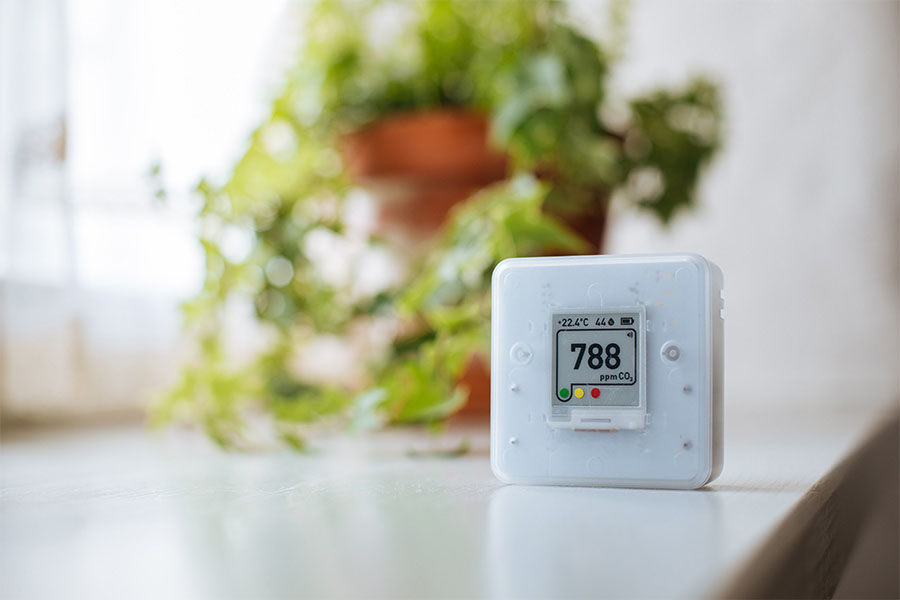
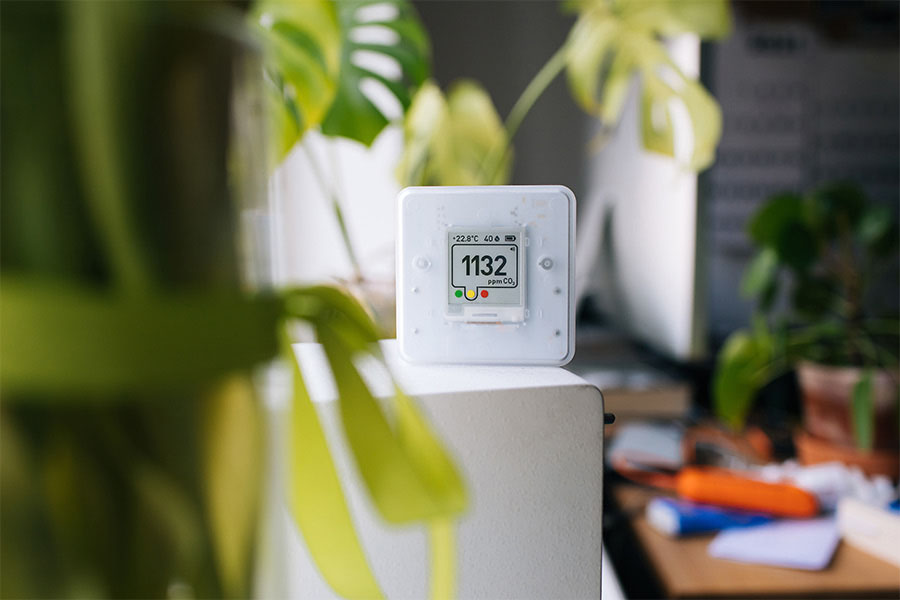
Even with routine HVAC maintenance, it’s important to keep an eye on potential hazards like carbon monoxide (CO). This odorless, colorless gas can be lethal, making it essential to monitor your home’s CO levels.
Install a carbon monoxide detector near sleeping areas and on every floor of your home. Regularly check the batteries and functionality to verify they’re working properly.
You should also be aware of the symptoms of CO poisoning, such as headaches, dizziness, or confusion. If you experience these, evacuate your home immediately and call for help.
Additionally, make sure your fuel-burning appliances are serviced regularly by a professional, like those at Georgia Air, to reduce the risk of CO buildup.
Conclusion
Improving your indoor air quality is like nurturing a garden; it thrives with attention and care. Just as a gardener regularly checks soil moisture and sunlight, you should routinely change air filters, use air purifiers, and maintain humidity levels. By embracing these ten practical tips, you’ll create a healthier home environment for you and your loved ones. Remember, a refreshing gust of air can transform your space, making every inhale feel like a rejuvenating breeze.