
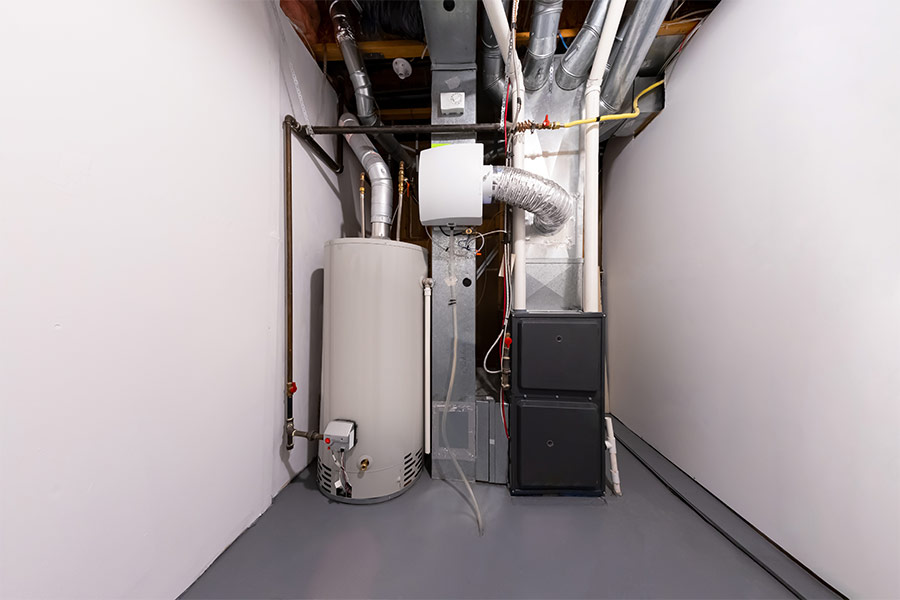
It’s funny how many homeowners wait until the last minute to think about their furnace. If you’re noticing signs that it might be time for a replacement, you’re not alone. Many people face similar issues as their systems age. Ignoring these warning signs can lead to bigger problems down the line. So, what should you look out for to guarantee your home stays comfortable and safe? Let’s explore some key indicators together.
Age of Your Furnace
One key indicator that it might be time to replace your furnace is its age. If your furnace is over 15 years old, it’s time to consider a replacement.
Older models often lack the efficiency and reliability of newer systems, which can lead to frequent breakdowns and increased repair costs. You might notice that your furnace isn’t heating your home as evenly or effectively as it once did.
Additionally, if you find yourself needing repairs more often, it’s a sign that your furnace is nearing the end of its lifespan. When you think about the investment in a new system, consider the long-term savings on energy bills and repairs. A modern furnace can provide better performance and comfort, along with enhanced energy efficiency that significantly reduces your heating costs.
Rising Energy Bills
A noticeable spike in your energy bills can signal that it’s time to contemplate replacing your furnace. If you’ve noticed your monthly expenses climbing despite similar usage habits, your furnace may be struggling to operate efficiently.
Older units tend to consume more energy, leading to inflated bills that can strain your budget. Additionally, if your furnace is working harder to maintain the desired temperature, it’s a clear sign it’s losing efficiency. This increased workload not only raises your bills but can also shorten your furnace’s lifespan.
Consider tracking your energy usage over several months. If the trend continues upward, it might be time to take action. Investing in a new, energy-efficient furnace can save you money in the long run and improve your home’s comfort. Comprehensive heating services from local experts can help you make an informed decision about a replacement.
Reach out to Georgia Air for a professional evaluation and guidance on finding the right replacement for your needs.
Inconsistent Heating
If you’re noticing uneven room temperatures or constantly adjusting your thermostat, it might be a sign of inconsistent heating. Cold spots around your home can make it uncomfortable and indicate that your furnace isn’t performing effectively. Regular furnace maintenance is key to preventing unexpected breakdowns, so let’s explore these issues further and see if it’s time for a replacement.
Uneven Room Temperatures
When your home feels like a patchwork of temperatures, it can be frustrating and uncomfortable.
If you notice some rooms are warm while others are chilly, it’s a clear sign your furnace mightn’t be working effectively. Uneven room temperatures can indicate issues like blocked vents, duct leaks, or an aging furnace struggling to distribute heat evenly.
You might find yourself constantly adjusting blankets or layering clothes just to stay comfortable. Ignoring these temperature discrepancies can lead to higher energy bills and a less comfortable living environment.
If you’re experiencing this issue frequently, it’s worth considering a furnace replacement. A new, efficient system will guarantee consistent heating throughout your home, providing the comfort you deserve.
Frequent Temperature Adjustments
Constantly adjusting your thermostat is a telltale sign of inconsistent heating in your home. If you find yourself frequently bumping up the temperature, it’s time to pay attention.
This behavior indicates that your furnace isn’t distributing heat evenly, leaving you feeling uncomfortable. You might experience sudden temperature changes or drafts, forcing you to compensate with constant adjustments.
This not only disrupts your comfort but can also lead to increased energy bills as your system works harder to maintain the desired temperature. Instead of dealing with this hassle, consider reaching out to a professional.
A licensed technician can assess your furnace’s performance and help determine if it’s time for a replacement, ensuring consistent and reliable heating in your home.
Cold Spots Noted
Noticing cold spots in your home can be frustrating, especially when certain areas feel uncomfortably chilly while others remain warm.
This inconsistency often signals that your furnace isn’t functioning as it should. If you’ve adjusted your thermostat but still experience these cold spots, it might be time to evaluate your heating system.
Blocked vents, duct issues, or an aging furnace could be the culprits. Relying on an inefficient system not only affects comfort but can also increase your energy bills.
At Georgia Air, we can help pinpoint the problem and recommend the best solution. Don’t let cold spots disrupt your comfort—reach out to us for an inspection and explore your options for a reliable heating system replacement.
Frequent Repairs
Frequent repairs can be a major red flag that your furnace is nearing the end of its lifespan. If you find yourself calling for service repeatedly, it’s time to contemplate a replacement.
Here are three signs to look for:
- Rising Repair Costs: If your repair bills keep adding up, you’re likely spending more than you’d on a new unit.
- Inconsistent Heating: If your furnace struggles to maintain a consistent temperature, it may indicate that it’s failing.
- Age of the Unit: Most furnaces last about 15-20 years. If yours is older, frequent repairs are a strong indicator that it’s time for a new one.
Additionally, scheduling regular furnace maintenance can help identify issues before they escalate into more costly repairs.
Addressing these issues early on can save you money and keep your home comfortable.
Don’t wait until it’s too late—contemplate replacing your furnace before you face larger problems down the road.
Unusual Noises
If your furnace is making unusual noises, it’s time to pay attention.
You might hear banging, rattling, or whistling, and each sound could point to different potential issues.
Understanding these noises and knowing when to act can help you avoid bigger problems down the road.
Types of Noises
Your furnace should operate quietly, but when it starts making unusual noises, it can signal underlying issues.
It’s important to pay attention to these sounds, as they might indicate that it’s time for a replacement. Here are three types of noises to watch out for:
- Banging or Clanging: This could mean loose parts or a malfunctioning blower.
- Squealing: High-pitched squeals might indicate worn-out bearings or a failing motor.
- Rumbling or Booming: These sounds could suggest a buildup of gas or debris in the burner.
If you hear any of these noises, it’s wise to consult a professional to assess your furnace’s condition.
Ignoring these sounds could lead to more significant issues down the road.
Potential Causes
When unusual noises emanate from your furnace, they often point to specific underlying issues that need attention.
For instance, a rattling sound might indicate loose components, while a high-pitched squeal often suggests worn-out bearings. If you hear a banging noise, it could mean that the blower motor is malfunctioning or that there are debris issues.
Clunking noises might signal a failing fan or even a problem with the heat exchanger. Additionally, hissing sounds can point to a gas leak, which is critical to address immediately.
Identifying these sounds early can help you avoid larger problems down the line, ensuring that your furnace operates efficiently and safely.
Always trust your instincts; if something feels off, it probably is.
When to Act
Although unusual noises from your furnace can be concerning, acting promptly is crucial for maintaining your home’s comfort and safety.
Ignoring those sounds might lead to bigger issues down the line. Here are some noises to watch out for:
- Banging or Clanking: This could indicate loose or broken components that need immediate attention.
- Hissing or Whistling: These sounds might signal a gas leak or airflow problems, both of which require urgent care.
- Rumbling or Growling: Persistent rumbling can suggest a malfunctioning burner or gas valve.
If you notice any of these noises, don’t wait!
Contact Georgia Air for a professional assessment and verify your furnace is safe and efficient.
Poor Air Quality
Poor air quality can often go unnoticed until it starts affecting your health and comfort at home.
If you’ve noticed an increase in dust, allergens, or unpleasant odors, your furnace might be to blame. An aging or malfunctioning furnace can fail to filter out pollutants effectively, leading to stale air that can aggravate allergies or respiratory issues.
You might also experience symptoms like headaches, fatigue, or frequent colds, all signs that your indoor air quality isn’t up to par.
If you’re constantly adjusting your thermostat but still feel uncomfortable, it could indicate that your furnace is struggling to maintain ideal air circulation.
Considering all these factors, it’s crucial to evaluate whether your furnace is the root cause.
If poor air quality persists, replacing your furnace might be the best solution to guarantee a healthier, more comfortable living environment.
Don’t compromise on your well-being—take action now!
Yellow Burner Flame
A yellow burner flame is a red flag that your furnace might need attention. Unlike the healthy blue flame you should expect, a yellow flame signals incomplete combustion, which can lead to dangerous carbon monoxide buildup. If you notice this change, it’s vital to act quickly.
Here are three things to reflect on:
- Check for Blockages: Inspect your furnace for dirt, dust, or debris that might be obstructing airflow.
- Inspect the Venting System: Confirm that your furnace’s venting system is clear and functioning properly to allow gases to escape.
- Schedule a Professional Inspection: Contact an HVAC technician to assess your furnace. A yellow flame isn’t just an aesthetic issue; it can indicate serious safety concerns.
Don’t ignore this warning. Taking swift action can help keep your home safe and warm.
Conclusion
In Richmond Hill, GA, don’t wait for your furnace to break down like an old car sputtering to a halt. Just as you wouldn’t drive a vehicle that struggles to start, you shouldn’t rely on a furnace that’s showing signs of age and inefficiency. By recognizing these warning signs and replacing your unit, you’re not just investing in comfort; you’re ensuring your home remains a safe, warm haven for you and your family through the chilly months ahead.