

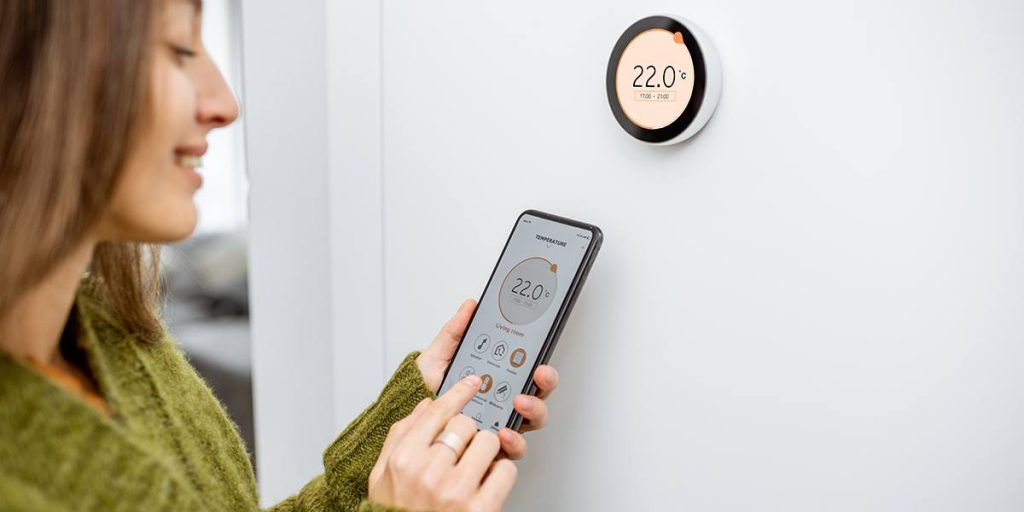
Setting your AC to the right temperature is critical when you’re looking to balance comfort and savings. Experts suggest keeping it between 78°F to 80°F during the day for peak efficiency, but you might wonder how this affects those hot, sticky nights or what to do when you’re away from home. Understanding these nuances can significantly impact your energy bills and overall comfort. Curious about how adjusting your thermostat at different times or using a programmable model can further enhance savings? Let’s explore these strategies to help you stay cool without breaking the bank.
Optimal Temperature Range
Setting your thermostat between 78°F and 80°F during the summer can considerably reduce energy bills while maintaining a comfortable indoor environment. This range, recommended by the U.S. Department of Energy, maximizes energy consumption by minimizing the workload on your air conditioning unit. When you set your thermostat to 78°F, your AC doesn’t have to work as hard to cool your home, resulting in lower electricity usage and cost.
To further enhance efficiency, make sure your home is adequately insulated. Sealing windows and doors prevents cool air from escaping and hot air from entering, making your AC’s job easier. Additionally, ceiling fans can help circulate cool air more effectively, making you feel comfortable even at higher thermostat settings.
Monitoring and maintaining your AC system is vital. Regularly clean or replace air filters to guarantee adequate airflow and performance. A clean filter can lower your AC’s energy consumption by 5-15%. Also, consider using a programmable thermostat. This allows you to preset temperatures according to your schedule, ensuring your home remains energy-efficient even when you’re away.
Day Vs. Night Settings
Adjusting your thermostat settings daily and night can significantly optimize energy efficiency and cost savings. During the day, when you’re active and need to maintain a comfortable environment, set your thermostat to a slightly higher temperature. A setting around 78°F (25.5°C) typically balances comfort and energy use. This reduces the load on your AC unit, reducing electricity consumption.
At night, when the outside temperature drops and you can rely on natural cooling, lower the thermostat by a few degrees. Setting it to around 72°F (22°C) can enhance sleep quality without significantly increasing energy costs. A programmable thermostat can automate these adjustments, ensuring your home remains comfortable while minimizing energy waste.
To maximize efficiency and comfort, consider the following tips:
- Use ceiling fans: These help circulate air, making higher daytime temperatures feel more comfortable.
- Close blinds or curtains: This reduces heat gain from sunlight, keeping your home cooler during the day.
- Seal leaks: Ensure windows and doors are correctly sealed to prevent cool air from escaping and warm air from entering.
Energy Star Recommendations
For additional guidance on optimizing your thermostat settings, Energy Star provides specific recommendations to help you save money while maintaining comfort. They suggest setting your thermostat to 78°F (25.5°C) when you need cooling at home. This temperature balances energy efficiency and comfort, ensuring your system doesn’t overwork.
Adjust the thermostat to 85°F (29.5°C) when you’re away. This reduces energy consumption without making your home unbearably warm for your return. Consider setting the thermostat to around 82°F (27.8°C) at night if you can tolerate it, as this further minimizes unnecessary energy use.
Ensure your thermostat is located away from heat sources like direct sunlight or kitchen appliances. This prevents false readings that could cause your AC to run longer than necessary. Clean or replace your AC filters regularly to maintain peak efficiency, as dirty filters can impede airflow and make your system work harder.
Benefits of Programmable Thermostats
Programmable thermostats offer precise control over your home’s temperature settings, allowing you to automate adjustments based on your schedule and preferences. Customizing the temperature throughout the day can optimize your energy usage, ultimately saving money and maintaining comfort. These devices let you set different temperatures for various times, ensuring the AC isn’t running at full blast when unnecessary.
Using a programmable thermostat, you can:
- Maximize Energy Efficiency: Schedule the thermostat to raise the temperature when you’re not home and lower it before you return, reducing unnecessary cooling.
- Enhance Comfort: Tailor temperature settings to match your routine, ensuring a calm environment when you wake up or return home.
- Remote Access: Many models offer smartphone apps that allow you to adjust settings from anywhere, ensuring your home is always at the ideal temperature.
Programmable thermostats are straightforward to install and use, making them a practical addition to any home. By leveraging these devices, you can serve your household more effectively, ensuring comfort and cost-efficiency. Embrace the technology, and you’ll notice the benefits almost immediately.
Setting for Vacant Homes
When your home is vacant, setting the thermostat to a higher temperature can significantly reduce energy consumption and save on cooling costs. Aim to adjust your thermostat to around 85°F (29°C) while you’re away. This temperature is high enough to minimize the workload on your AC unit without causing excessive heat buildup that could damage electronics or other sensitive items.
To manage this effectively, consider using a programmable thermostat. You can set it to automatically increase the temperature when the home is empty and return to a more comfortable level just before you return. This guarantees you’re not cooling an empty house but returning to a relaxed environment.
If you’re away for an extended period, you might opt for even higher settings, around 88°F (31°C). However, be cautious with this if you live in areas prone to heatwaves. Verify that your home’s insulation is adequate and that windows and doors are correctly sealed to prevent excess heat from entering.
Don’t forget to turn off ceiling fans and other cooling devices, as they only contribute to unnecessary energy use in an unoccupied home. This simple step can make a significant difference in your overall energy savings.
Tips for Humid Climates
Optimizing your AC settings in humid climates is essential to maintaining comfort while preventing mold and mildew growth. You’ll want to keep your indoor humidity levels below 60%, ideally between 30-50%. Here’s how to do it:
- Set the AC to ‘Auto’ Mode: Using the ‘Auto’ mode guarantees your AC cycles on and off effectively, maintaining a consistent indoor temperature and humidity level. This prevents overcooling and unnecessary energy consumption.
- Utilize a Dehumidifier: Pairing your AC with a dedicated dehumidifier can significantly enhance efficiency. A dehumidifier reduces the moisture load on your AC, allowing it to cool more efficiently and lower humidity levels effectively.
- Regular Maintenance: Clean or replace your AC filters every 1-2 months. Clogged filters inhibit airflow, reducing your AC’s ability to dehumidify the air. Additionally, make sure the coils are clean to prevent moisture buildup that can lead to mold growth.
Thermostat Placement
Proper thermostat placement guarantees that your AC system operates efficiently and maintains the desired indoor temperature. First, avoid placing the thermostat near heat sources like windows, kitchens, or direct sunlight. The heat from these areas can cause false readings, making the AC work harder than necessary. Instead, install the thermostat on an interior wall, away from vents and drafts, and approximately 52-60 inches above the floor. This height guarantees it accurately senses the ambient room temperature.
Additionally, keep the thermostat away from hallways, as these areas often don’t reflect the actual temperature of living spaces. You’ll want to place it in a central location where you and others spend the most time, such as the living room or main hallway leading to multiple rooms. This placement allows for a more accurate read of the general home temperature, guaranteeing even cooling.
Lastly, make sure the thermostat is easily accessible. Regular adjustments might be necessary, and you don’t want to climb over furniture or use a ladder each time. Placing your thermostat correctly will maximize your AC’s efficiency, save energy costs, and keep everyone comfortable.
Additional Cooling Tips
Optimizing your AC settings and incorporating a few strategic habits can significantly enhance your home’s cooling efficiency and reduce energy costs. Here are some practical tips to take into account:
- Use Ceiling Fans: Ceiling fans can work synergistically with your AC by circulating cool air more effectively. This allows you to set your thermostat slightly higher without sacrificing comfort. Make sure your fans rotate counterclockwise in the summer to push cool air down.
- Seal Leaks: Inspect doors, windows, and ductwork for gaps or cracks that allow cool air to escape and warm air to enter. Use weatherstripping or caulk to seal these leaks, maintaining the indoor temperature and reducing the workload on your AC unit.
- Schedule Maintenance: Regular maintenance is vital for your AC’s efficiency. Clean or replace filters monthly, and have a professional check the system at least once a year. This guarantees peak performance and can extend the lifespan of your unit.
Conclusion
Did cranking up the AC solve all your problems? Well, think again. Setting your thermostat between 78°F and 80°F during the day and lowering it to 72°F at night isn’t just about comfort but also about saving money. Don’t forget to set it to 85°F when you’re out. Regular AC maintenance in Richmond Hill GA, like cleaning filters, is essential. Who knew being a little warmer could keep your wallet cooler? Now you do.
Frequently Asked Questions
How Does Insulation Affect AC Efficiency and Temperature Settings?
Insulation directly impacts your AC efficiency by minimizing heat exchange. With proper insulation, your AC will work less hard, allowing you to set higher temperatures comfortably while maintaining a relaxed environment.
What Impact Does the Size of My Home Have on AC Temperature Settings?
The size of your home directly impacts AC temperature settings. Larger homes require more energy to cool, so you must lower your thermostat. Ensure your AC unit is appropriately sized for your home for ideal efficiency.
Can Ceiling Fans Help Reduce AC Energy Consumption?
Ceiling fans can be a game-changer. They circulate air like a symphony conductor, making rooms feel more relaxed. This lets you raise the AC temperature a few degrees, considerably reducing energy consumption and serving others effectively.
How Often Should I Service My Air Conditioning Unit for Optimal Performance?
You should service your air conditioning unit at least once a year. Regular maintenance, including cleaning filters and checking refrigerant levels, guarantees peak performance, extends the unit’s lifespan, and keeps your clients comfortable and satisfied.
Are There Specific Temperature Settings for Different Types of Air Conditioning Systems?
Yes, different AC systems have ideal temperature settings. Window units work best around 24°C (75°F), while central systems should be set around 26°C (78°F) for efficiency. Always consult your unit’s manual for specific recommendations.