
Has your home experienced power surges you’re worried will damage your appliances? If so, you’re probably wondering, “Can a power surge damage a furnace?” Keep reading to discover everything you should know from the providers of expert heating repair in Pooler, GA.
Do you need furnace repairs or replacement? Contact the team at Georgia Air Cooling and Heating today by calling 912-513-3741. We’ll schedule you for fast and reliable service.
Even though Georgia winters are relatively mild, as fellow residents, we know a fully function furnace is essential for staying safe and comfortable during those cold months. Whether you’ve experienced power surges in the past or are doing your due diligence, knowing how a power surge can damage your furnace is important.
How a Power Surge Damages a Furnace
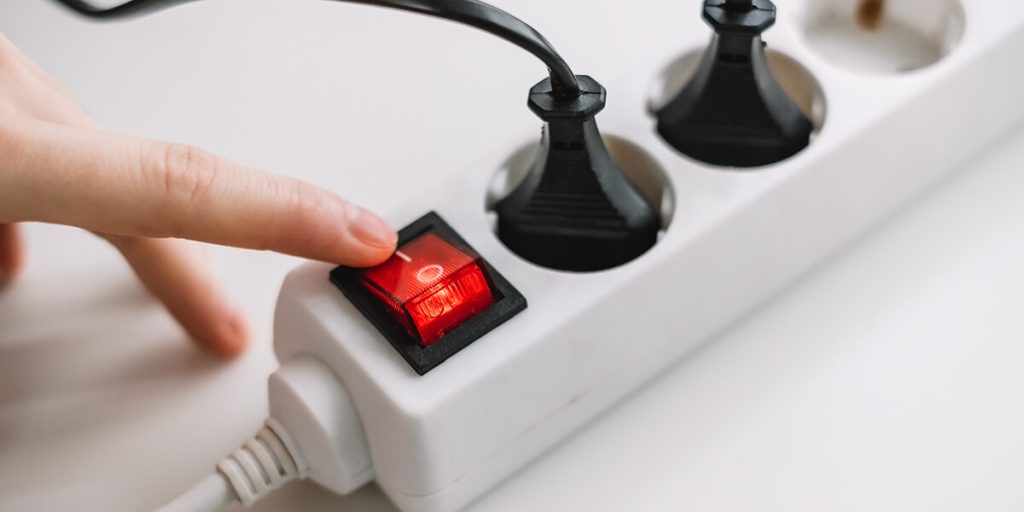
A power surge is any spike in voltage in your electrical system. It can come from within your own wiring or from outside factors. They can cause more than just furnace damage, and nearly every appliance in your home is susceptible to them.
While a power outage can cause a surge when power returns, they’re technically different than a surge.
A power surge damages your electrical devices by overloading the capacitors, making them incapable of restricting the excess electricity. This burns out the capacitor, and the device stops functioning. Power surges can also generate a significant amount of heat, causing other components within your device to melt, burn, or short out.
Protecting Your Furnace
How can you protect your furnace from power surges? Use the following advice:
- Install a whole-home surge protector to protect your more powerful devices.
- Update any old wiring within your home.
- When the power goes out, shut off power to your devices at the circuit breaker.
- When possible, shut off your furnace and air conditioner during a lightning storm
Common Power Surge Causes
Can a power surge damage a furnace? Yes, but you can help protect your home by knowing what the most common causes of power surges are.
Faulty Wiring
Faulty wiring is a leading cause of an electrical power surge that originates within your own home. Bad wiring can’t handle higher electrical currents, which can cause them to overload or spark. Frequently tripped circuit breakers are a common sign you should upgrade your wiring.
Upgrading your wiring can prevent internal power surges and protect your home against fire risk.
Utility Company Problems
Power surges can come from the utility company or power grid as well, such as when power returns from a blackout or when the utility company switches which power grid you use. The best way to avoid these power surges is to turn off your appliances during a blackout.
Lightning
When lightning hits the power lines or another part of the power grid, the spike in voltage can enter your home, burning out your appliances or wiring.
Old Appliances
Every appliance causes a small power surge whenever it turns on. Older appliances can sometimes cause a more significant spike, which can damage the rest of your appliances or fry your wiring.
Signs Your Furnace Needs Help
How can you tell your furnace suffered damage during a power surge? Look for these common signs your furnace needs repairs or replacement.
Inconsistent Temperatures
If your furnace doesn’t consistently produce heat or doesn’t heat every room evenly, it’s a clear sign you need repairs. The problem could reside in your vents, such as a blockage.
However, a recent power surge could have burnt out your blower motor, making it more difficult for your HVAC system to distribute the heated air throughout your home. Your furnace might also have trouble producing enough heat, which can happen for many reasons, including a control board destroyed by an electrical surge.
Unusual Noises and Smells
Some unusual smells won’t arise from a power surge, such as mold, which can grow if you don’t change your filter frequently enough. You might be familiar with the smell of your heater starting up and providing heat. However, if you smell burning, especially from your electrical sockets or wiring, you likely have a dangerous issue caused by a power surge.
You might also notice various sounds, including clanking, pounding, buzzing, humming, squeaking, popping, or hissing. While not all these sounds are the result of a power surge, they indicate your furnace needs some serious help.
Pilot Light Problems
If your pilot light goes out continually, it indicates several problems, including a damaged thermocouple or faulty control valve. Your pilot light should also remain light blue. If you notice more than the tip of the flame turning yellow or orange, it could mean you have a dangerous gas or carbon monoxide leak.
Whether your pilot light issue stems from the power surge or not, it often indicates a serious issue you should have looked at immediately.
Spiking Energy Bills
A power surge can damage your furnace without destroying it completely. Though you might not notice the damage immediately, you’ll likely experience a spike in your energy bill because your furnace has to work harder to produce the same results.
If you notice a sharp increase in your utility bills, especially one disproportionate to how frequently you use your furnace, repairing or replacing your device can help you save money in the long term.
Power Problems
The most common furnace problems after a power surge create electrical issues within your furnace. Your furnace might not turn on, which is the most obvious sign you have a problem.
However, another common problem is that the furnace doesn’t turn off. This means the blower is working in overdrive to heat your home, and something in the furnace isn’t working right.
Frequent Repairs
Minor damages can lead to major ones, which increase how often your furnace needs repairs. Even if a power surge caused only minor damage, if you notice your furnace needing more repairs than normal, you’ll need a replacement soon. You’ll save money in the long term if you upgrade your furnace before sinking too much money into repairs.
What To Consider for a Furnace Upgrade
Can a power surge damage a furnace? Yes, and it might force you to upgrade your furnace. Use the following considerations to help you find the best type.
Type of Furnace
The type of furnace you choose matters because it determines the type of fuel you use and pay for. Each type of furnace has pros and cons. Most people choose from a gas, electric, or oil furnace, so consider the following:
- Gas: Gas furnaces run more efficiently than oil and electric furnaces but also have the highest installation costs. Therefore, choosing a gas furnace means deciding between upfront costs and long-term savings. The other concern with gas furnaces is the safety issue associated with potential gas leaks.
- Electric: Electric furnaces are the most affordable type to install, and they present no safety risks. They’re long-lasting and don’t require as much maintenance. However, they take longer to heat your home and often can’t keep up on cold days, leaving you less than comfortable.
- Oil: Oil heats your home faster than any other form of heat but requires a storage tank on your property. They’re one of the most affordable furnaces to install, but you’ll also pay more to run them. Oil is more expensive than gas, and because of the soot build-up, they require more frequent and expensive maintenance.
Energy Efficiency
While you might pay more upfront for an energy-efficient furnace, you’ll save money on lower energy bills in the long run. Any furnace you purchase today will run more efficiently than your old one. However, you have some control over how much efficiency you want to invest in.
A furnace’s Annual Fuel Utilization Efficiency rating determines how efficiently your furnace turns fuel into heat. A rating between 90 and 97 indicates a high-efficiency furnace. Don’t settle for a furnace with a rating lower than 78.
Size
Purchasing a furnace that’s too large from your home is just as detrimental as one that’s too small. Your HVAC technician can help you determine the best size, but you can get an idea of your requirements by measuring your home’s square footage, factoring in the climate, and determining the quality of your insulation.
Additional Costs
Depending on the type of furnace you choose, you may require gas line installation or upgraded ductwork. You need to consider these additional costs when determining which type of furnace works best for you.
Budget
Furnaces aren’t cheap, but that doesn’t mean you shouldn’t consider your budget. Set a reasonable spending limit to help you determine what you can afford for installation costs. To help make your decision, look for potential rebates that can decrease the cost of a better model or save you some money.
Contact Georgia Air Cooling and Heating
Can a power surge damage a furnace? Yes, but now you’re ready to protect your furnace and appliances.
Whether you need to fix a short-cycling furnace or require routine maintenance, Georgia Air Cooling and Heating keeps you comfortable all year round with expert service. To schedule an appointment, call (912) 513-3741.