
Balancing comfort and efficiency in your home often relies on understanding your HVAC system’s essential components. You might know the thermostat controls the temperature, but do you realize how the furnace, heat exchanger, and coils intertwine to keep your environment just right? Each part, from the ductwork to the refrigerant, is pivotal in maintaining comfort and air quality. By grasping these elements, you’ll enhance your system’s performance and extend its lifespan. So, what’s the secret behind each component’s function? Let’s explore.
Thermostat
The thermostat is an essential component that allows you to set and maintain your desired indoor temperature, guaranteeing ideal comfort and energy efficiency. Modern thermostats offer a range of features, from simple manual controls to advanced programmable options and smart technology integrations. When selecting a thermostat, consider one with programmable settings. These allow you to create schedules that match your daily activities, reducing energy use when you’re not home. A smart thermostat goes further, learning your habits and adjusting temperatures automatically. They’re also accessible remotely via smartphone apps, making changing settings easy.
For installation, verify the thermostat is placed away from direct sunlight, drafts, and heat sources. This positioning prevents inaccurate readings that could lead to inefficient system operation. Wiring must be correctly connected to the HVAC system for best functionality. If you’re unsure, consulting a professional is always a wise choice.
Regular maintenance is essential. Check the batteries annually if your thermostat uses them, and clean the unit to remove dust and debris. This guarantees the device continues to operate accurately, providing consistent comfort and energy savings for those you serve.
Furnace
A furnace serves as the core component of your heating system, converting fuel into heat and distributing it throughout your home. Understanding its functionality helps guarantee you can maintain and troubleshoot it effectively. Furnaces typically use natural gas, propane, or electricity. Each type has its own benefits and operational nuances. The ignition system ignites the fuel for a gas furnace, creating a controlled flame. This process generates heat, which is then transferred to the air. On the other hand, electric furnaces use electric heating elements to create heat. Both types of furnaces are equipped with blowers that push the heated air through your ductwork, guaranteeing even distribution.
Regular maintenance is essential to keep your furnace running efficiently. Check and replace air filters monthly to prevent blockages that reduce airflow and strain the system. Inspect the pilot light or electronic ignition for proper function, and guarantee the blower motor and belts are in good condition. A well-maintained furnace extends the unit’s lifespan and ensures your home stays warm and comfortable.
Heat Exchanger
The heat exchanger plays an essential role in your HVAC system by transferring heat from the combustion process to the air circulating through your home. This critical component guarantees that your air is warmed efficiently and safely. Understanding the heat exchanger’s function and maintenance is imperative for anyone dedicated to providing comfort and safety to others.
The heat exchanger’s main job is to separate the combustion gases from the air that flows into your living spaces. It does this by allowing the heat to pass through its metal walls while keeping the harmful gases contained. Here are key points to reflect on:
- Material: Heat exchangers are typically made from stainless steel or aluminum, both known for their durability and excellent heat transfer properties.
- Efficiency: Modern heat exchangers are designed to maximize thermal efficiency, reduce energy costs, and improve heating performance.
- Maintenance: Regular inspection for cracks or corrosion is necessary since any damage can lead to dangerous gas leaks.
- Lifespan: A well-maintained heat exchanger can last 10 to 20 years, depending on usage and care.
Evaporator Coil
The evaporator coil is essential for cooling your home by absorbing heat from the indoor air. Located inside the air handler or attached to the furnace, the evaporator coil plays a vital role in the refrigeration cycle. As warm air from your living spaces passes over the coil, the refrigerant inside absorbs the heat, causing it to evaporate and become a gas. This process effectively removes heat from the air, leaving cooler, dehumidified air to circulate back into your home.
The construction of the evaporator coil typically involves copper tubing and aluminum fins, which are excellent conductors of heat. Ensuring your evaporator coil is clean and free from dust or debris is vital for efficient operation.
A dirty coil can restrict airflow, reduce cooling efficiency, and increase energy consumption. Regular maintenance, including checking refrigerant levels and cleaning the coil, helps keep your HVAC system running smoothly. To best serve others, consider the placement and accessibility of the evaporator coil in your HVAC design. This allows for easier maintenance and repairs, ensuring the system remains reliable and effective in providing comfort to those you care for.
Condenser Coil
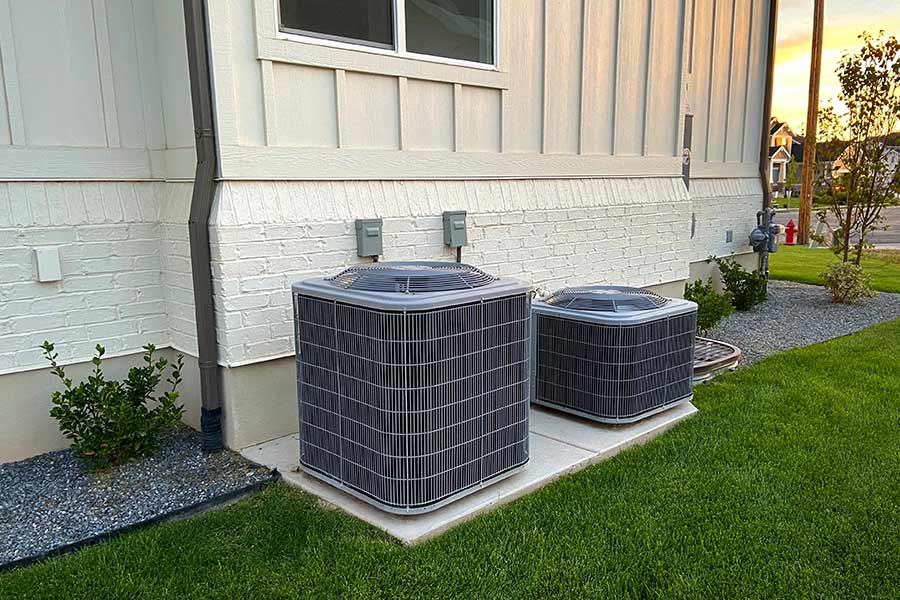
The condenser coil in the outdoor unit releases the heat absorbed by the refrigerant back into the outside air, completing the heat exchange cycle. Understanding its role is vital for guaranteeing your HVAC system operates efficiently. The condenser coil transfers the refrigerant’s heat to the outside environment, which allows the refrigerant to cool down and return to a liquid state. This process is fundamental for maintaining a comfortable indoor climate.
To maximize the efficacy of the condenser coil, you should:
- Keep it clean: Regularly remove debris and dirt to guarantee ideal airflow and heat transfer.
- Guarantee proper airflow: Maintain a clear space around the outdoor unit to prevent airflow restrictions.
- Monitor refrigerant levels: Low refrigerant levels can cause the coil to overheat, leading to system failure.
- Check for damage: Inspect for signs of wear, corrosion, or physical damage that could impair performance.
Ductwork
Ductwork forms the circulatory system of your HVAC setup, channeling conditioned air throughout your home or commercial space. You have correctly designed and installed ductwork that guarantees efficient airflow, ideal comfort, and energy savings. When planning your system, you’ll want to consider the material of the ducts—sheet metal, fiberglass, or flexible ducts—each with its advantages.
Sheet metal ducts are durable and less mold-prone, making them ideal for long-term use. Fiberglass ducts offer better insulation but can deteriorate over time. Flexible ducts are easy to install in tight spaces but need extra support to prevent sagging and airflow restrictions.
Don’t overlook the importance of sealing your ducts. Leaky ducts can cause a significant loss of conditioned air, so your system will work harder and consume more energy. Use mastic sealant or metal tape for a tight seal.
Regular maintenance is also essential. Clean the ducts periodically to prevent dust, debris, and allergens from circulating. Have professional technicians inspect for any signs of wear or damage and address them promptly to maintain system efficiency. Their expertise ensures that your system is thoroughly assessed and any potential issues are resolved, promoting optimal performance and indoor air quality.
Refrigerant
Refrigerant serves as the lifeblood of your HVAC system, absorbing and releasing heat to regulate indoor temperatures efficiently. It cycles through various components, changing states from liquid to gas. This phase change allows your HVAC system to cool or heat your home effectively.
To guarantee peak performance, you’ve got to be mindful of several key factors:
- Type of Refrigerant: Different systems use refrigerants, such as R-22 or R-410A. Using the wrong kind can damage your system and void warranties.
- Proper Levels: Maintaining the correct refrigerant levels is essential. Low levels can lead to inefficient operation and potential system failure.
- Leak Detection: Refrigerant leaks compromise system performance and pose environmental hazards. Regular inspections help detect and fix leaks promptly.
- Handling and Disposal: According to EPA regulations, refrigerants must be handled and disposed of. Only certified professionals should manage refrigerants to guarantee safety and compliance.
Understanding these aspects will help you maintain your HVAC system effectively, ensuring it serves you and others reliably. Regular checks and professional maintenance keep your system running smoothly, providing comfort and efficiency throughout the year.
Air Filter
A crucial component of your HVAC system, the air filter guarantees ideal air quality and system efficiency by trapping dust, pollen, and other airborne particles. A clean air filter enhances indoor air quality and protects your HVAC components from debris and buildup. When the filter gets clogged, airflow becomes restricted, causing your system to work harder. This can lead to higher energy bills and potential damage to your HVAC equipment.
For maximum performance, you should replace or clean your air filter regularly. Depending on the type of filter and your environment, this could mean every 1-3 months. High-efficiency particulate air (HEPA) filters, for example, offer superior filtration but may require more frequent maintenance.
When selecting an air filter, consider the MERV rating (Minimum Efficiency Reporting Value). A higher MERV rating indicates better filtration but can also increase resistance to airflow. Balance the need for air quality with system efficiency to best serve your space.
Conclusion
You’ve now uncovered the secrets behind your HVAC system’s vital components. But here’s the catch—neglecting even one could spell trouble for your home comfort. Imagine your thermostat failing on a scorching day or your refrigerant leaking unnoticed. You must stay vigilant, ensuring regular maintenance and timely repairs. Your mission? Keep your system in peak condition year-round. The reward? Unmatched comfort and efficiency. Are you ready to take action and safeguard your home’s climate?
Frequently Asked Questions
How Does an HVAC System Impact Indoor Air Quality?
An HVAC system impacts indoor air quality by filtering pollutants, regulating humidity, and ensuring proper ventilation. You’ll provide a healthier environment by maintaining clean filters and ducts, enhancing comfort and well-being for everyone inside.
What Are the Energy Efficiency Ratings for HVAC Systems?
You’ll find HVAC systems rated by SEER for cooling and AFUE for heating. Higher SEER and AFUE ratings mean better energy efficiency. Choosing high-rated systems guarantees clients save on energy bills while maintaining comfort.
How Often Should an HVAC System Be Professionally Serviced?
Think of your HVAC system as a car engine; you’d never skip regular maintenance. You should have it professionally serviced every six months to guarantee peak performance, extend its lifespan, and provide maximum comfort for those you serve.
Can HVAC Systems Be Integrated With Smart Home Technology?
Yes, you can integrate HVAC systems with smart home technology. You’ll enhance energy efficiency, control settings remotely, and improve comfort. Guarantee compatibility with smart thermostats and consider professional installation for peak performance and customer satisfaction.
What Are the Average Installation Costs for a New HVAC System?
Average installation costs range from $5,000 to $10,000, depending on the size and complexity of the system. To best serve your clients, ensure you get multiple quotes and ask about warranties.