
Tybee Island property owners place a high priority on maintaining a healthy indoor environment. Our coastal climate adds to the challenge, as we experience high humidity, increased mold hazards, and high counts of airborne allergens.
Georgia Air Cooling & Heating, the leader in indoor air quality services in Tybee Island, GA, discusses the most effective indoor air quality solutions you should consider to optimize your family’s health and comfort all year long.
Understanding Indoor Air Quality in Tybee Island, GA
Our warm and humid climate presents elevated air quality challenges. As indoor moisture levels increase, the likelihood of mold, mildew, and dust mites also goes up. Our diverse ecosystem also produces significant amounts of outdoor allergens like pollen that get circulated indoors through HVAC systems.
Poor ventilation often impacts coastal homes more heavily, as owners take care to seal out sea spray and salt air.
As a result, Tybee Island residents generally focus on methods and equipment to manage relative humidity and filter indoor air.
Modern Equipment Supports Healthy Home Air
Advances in technology and engineering have given HVAC system professionals and homeowners powerful tools to improve indoor air quality.
1. Comprehensive Air Purification: Devices and Concepts
Air purification systems use a combination of devices and systems to significantly reduce contaminants and create a fresher and healthier home environment. Advanced systems effectively eliminate dust, pollen, and microorganisms before these harmful substances circulate throughout your living space.
Activated Carbon Purifiers
These systems use an extremely porous form of carbon to neutralize odors and harmful substances. Advanced processes treat the carbon to create millions of tiny pores, increasing its surface area exponentially and enhancing its ability to adsorb small gas molecules and chemical compounds.
Through a process called adsorption, these purifiers bind pollutants like volatile organic compounds (VOCs), smoke, and chemical fumes to the carbon surface. The process makes activated carbon particularly effective for removing airborne toxins that traditional filters cannot capture.
UV-C Lights for HVAC Systems
UV-C air purifiers use a very specific wavelength of ultraviolet light to neutralize viruses, bacteria, and mold spores. Installed in ductwork or air handlers, these lights are completely safe for people and animals, and they neutralize pathogens before they circulate into your indoor living space.
UV-C lights provide multiple benefits:
- They stop bacteria, viruses, and mold spores from reproducing.
- They prevent biofilm buildup on HVAC coils that would otherwise impair system efficiency.
- They support and enhance the effectiveness of other filtration systems.
HEPA Filters
HEPA (High-Efficiency Particulate Air) filters eliminate up to 99.97% of particles down to 0.3 microns, making them highly effective for allergy sufferers and households with pets.
These advanced filters provide additional relief for sufferers of respiratory conditions and allergic reactions to pollen and other pollutants.
Combining air purifiers, UV lights, and HEPA filters provides multi-layered indoor air quality solutions during every season.
2. Ventilation Systems
Every HVAC system depends on unrestricted airflow to function properly, and robust air circulation also promotes cleaner air free of pollutants. Modern ventilation support systems assist the effectiveness and energy efficiency of your heating and cooling units while making your air healthier.
There are several types of ventilation systems commonly used in Tybee Island:
- Energy recovery ventilators (ERVs). These are highly effective during our hot, humid summers in Tybee Island as they maintain humidity balance while actively exchanging indoor and outdoor air.
- Heat recovery ventilators (HRVs). During winter, HRVs retain indoor heat while ventilating your home with fresh air.
- Exhaust Fans. These remove moisture and odors from kitchens and bathrooms, restricting mold and mildew growth.
3. Indoor Humidity Control Equipment
Maintaining comfortable indoor air depends on keeping relative humidity within an ideal range in every season.
Our notorious coastal summer humidity makes saturated air uncomfortable and hazardous. In colder months, heating systems can strip the air of its natural humidity. Excessively dry air causes respiratory irritation, dry skin, and worrisome static electricity.
Whole-house humidifiers address these issues by maintaining optimal humidity levels between 30% and 50% while your furnace or heat pump provides indoor heating. They also protect wooden furniture and flooring from cracking, ensuring a more comfortable and balanced indoor atmosphere.
In our humid coastal region, we are all familiar with how high humidity makes already hot weather oppressive and even dangerous. Excess moisture fosters mold growth, dust mites, and musty odors. Whole-home dehumidifiers assist your air conditioner in removing water vapor, keeping humidity levels at safe levels to control unhealthy microbial growth, and making your air much more comfortable.
Professionally installed humidifier and dehumidifier systems provide balanced indoor air quality solutions all year long.
4. Duct Cleaning: Eliminating Hidden Contaminants
Over time, HVAC ducts accumulate dust, debris, and allergens, reducing system efficiency. Dirty ducts also circulate pollutants throughout your home. Professional duct cleaning is an essential service for maintaining clean and healthy indoor air.
Schedule regular duct cleaning as part of your HVAC system maintenance plan. Call for additional duct cleaning after home renovations or remodeling projects or anytime you notice visible mold or mildew growth in or around vents.
Expert duct cleaning also helps your HVAC system run more efficiently, improving your air quality while reducing your monthly utility bills at the same time.
5. Air Quality Monitors
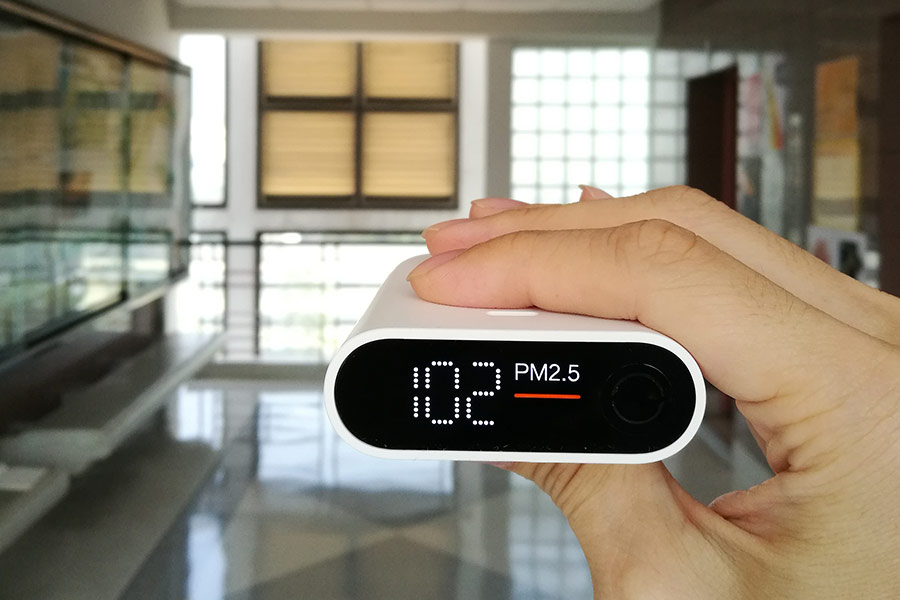
Air quality monitors are invaluable tools for promptly identifying and addressing indoor air quality issues. Accurate monitors provide actionable insights about dangerous particulates, VOCs, and carbon monoxide.
Monitors provide indoor air quality solutions with:
- Real-time data on current air quality
- Safety alerts for high pollutant levels
- Integration with smart home systems for automated adjustments to address problems
6. Sealing Air Leaks: Preventing Outdoor Pollutants
Air leaks around windows, doors, and ductwork allow outdoor allergens, humidity, and pollutants into your home. Sealing these gaps is a cost-effective way to improve both air quality and energy efficiency.
HVAC professionals seal air leaks using specialized techniques and materials such as mastic sealant or aerosolized sealants for ductwork.
Experts identify areas that require weatherstripping and caulking around gaps near windows and doors. They also install insulation to reduce drafts, improve energy efficiency, and ensure pollutants and allergens stay out of your indoor living space.
7. Whole-Home Zoning Systems: Personalized Air Quality Control
Whole-home zoning systems divide your house into separate climate control areas, allowing homeowners to customize temperature and air quality settings for each zone. They are especially useful in multi-level homes or those with rooms that see varying levels of use throughout the day and night.
Zoning systems work by incorporating dampers within the ductwork and connecting them to separate thermostats for each zone. This setup allows precise control over airflow and temperature in specific areas, ensuring optimal comfort and air quality.
The benefits of zoning systems include:
- Targeted air quality in every zone
- Improved energy efficiency for your whole HVAC system
- Enhanced comfort for every resident
Healthy Habits Also Provide Indoor Air Quality Solutions
While professional solutions like air purifiers, HEPA filters, and ventilation systems are critical for maintaining optimal indoor air quality, adopting simple, healthy habits will also enhance your home’s air environment.
Vacuum regularly (with a model equipped with a HEPA filter if possible) to directly absorb airborne dust, allergens, and pet dander. Pay particular attention to high-traffic areas, carpets, and rugs, where excess pollutants are more often trapped.
Groom your pets frequently to make a noticeable difference. Pet dander is one of the most common indoor allergens. Regular brushing, bathing, and cleaning of pet bedding helps keep dander out of circulation even before it requires filtering.
Avoid using scented products, including air fresheners, candles, and some cleaning supplies, which often release volatile organic compounds (VOCs). These compounds irritate respiratory systems and exacerbate trouble with allergies or asthma. Check labels for unscented or naturally derived products whenever possible.
Wash bedding, curtains, and other soft fabrics with natural, fragrance-free detergent often to combat allergens like dust mites. These tiny organisms thrive in humid environments and seek out many types of fabrics as their living space.
Combining these healthy habits with professional solutions like humidifiers and duct cleaning will help to maintain a proactive approach to maintaining a cleaner, healthier home.
Choose Georgia Air Cooling & Heating for Help With Comprehensive Indoor Air Quality Solutions
Georgia Air Cooling & Heating is proud to serve the Tybee Island community with complete HVAC system services. Our local team of skilled technicians understands the unique challenges of coastal living, and we’re prepared to enhance your family’s health and comfort.
We invite you to read some of our other posts on air quality topics, like maintaining an ideal indoor humidity in winter. We would love the opportunity to discuss maximizing your indoor comfort in your Tybee Island property.
If you’re ready to enjoy indoor air quality solutions, choose the team with a community-focused approach rooted in Southeast Georgia’s values. Contact the friendly experts at Georgia Air Cooling & Heating today to schedule a consultation and take the first step toward a healthier, more comfortable living space. Reach out to us to learn more.