
Key Points
- Change filters more often. Older systems collect dust faster, so check your filter monthly and replace it at least every three months.
- Keep air moving. Clear debris around the outdoor unit, keep vents clean, and seal leaky ducts.
- Reduce the load on your AC. Seal windows and doors, and use smart thermostat settings to cut unnecessary run time.
- Keep coils and drain lines clean. Dirty coils and clogged drains waste energy and invite water damage and mold.
- Schedule regular tune-ups. Professional AC maintenance is the single best way to keep an older system running efficiently.
You can make an old air conditioner work better with a few simple habits, from changing filters more often to sealing ducts and scheduling regular tune-ups. Before you commit to the cost of a brand-new system, it’s worth exploring ways to squeeze more life and efficiency out of your current unit.
Homeowners can take several steps to improve an old AC unit’s performance. And as Pooler’s AC repair experts, the team at Georgia Air Conditioning & Heating Repair can help on-site to improve your existing AC’s performance and efficiency so you can delay installing a new system. Take a look at our guide below on how to make an old air conditioner work better.
1. Change the Filters More Frequently for Efficiency and Air Quality
A clogged filter makes any air conditioner work harder, and older systems tend to pick up dust and grime more readily. ENERGY STAR recommends checking your filter every month, especially during heavy-use months, and changing it at least every three months.
Do you live in an area with a lot of dust, pollen, or humidity, like coastal Georgia? The U.S. Department of Energy recommends cleaning or replacing filters every month or two during the cooling season, and more often if your AC runs constantly or you have pets. Frequent changes maximize airflow and help your system regulate temperatures.
Another option is a filter with a lower MERV rating, which won’t restrict airflow as much and may help an older system perform better. The trade-off is that a lower-rated filter won’t clean your indoor air as effectively. Ask your technician which rating your system can handle.
2. Remove Debris Near the Outdoor Unit to Clear the Vents
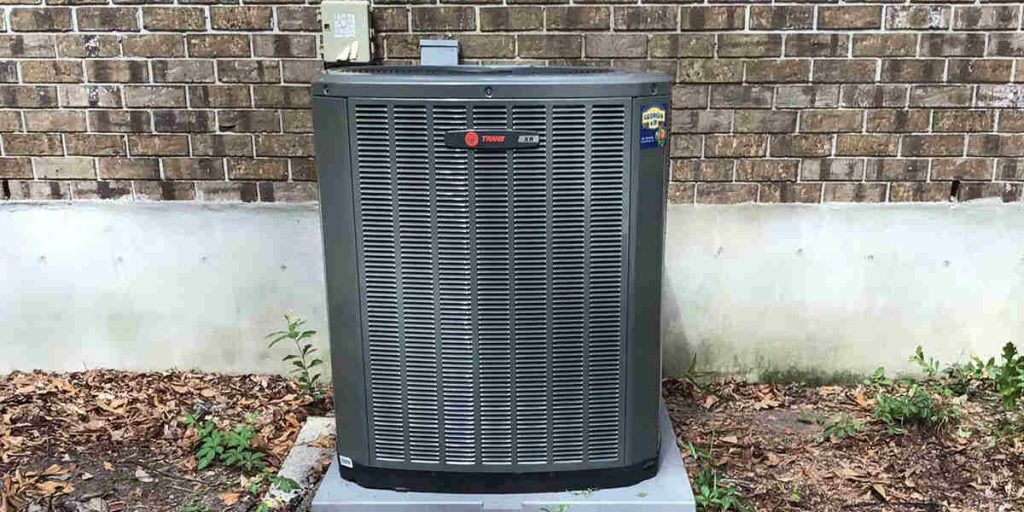
With central air conditioners, the outdoor unit releases heat from your home. It does this through the condenser coils, which turn hot refrigerant gas back into a liquid.
However, plants, grass, and other debris that gather near the unit can block its vents. That restricts airflow and makes the system far less efficient. To improve your system’s energy efficiency, clear all vegetation within a two- to three-foot radius of the condenser unit.
3. Sweep Floors and Vacuum Vents to Ease the Strain on the Filters
A cleaner home means less dust and fewer contaminants make their way into your air ducts and filters. Regular sweeping and dusting keep these particles from infiltrating your system, which protects the unit’s performance and your indoor air quality.
- Stay on top of pet hair: Be extra vigilant if you have pets that shed.
- Vacuum vent covers: Clean supply and return vent covers every few weeks to prevent buildup.
- Keep vents clear: Make sure furniture, rugs, and curtains aren’t blocking airflow.
Blockages put unnecessary strain on your system, which shortens its useful life and drives up your monthly energy bills.
4. Clean Drain Lines to Prevent Clogs, Leaks, and Mold
An air conditioner produces condensation while it runs, and in humid climates, it produces a lot. That water drains away through the condensate line. When the line clogs, water can back up, overflow the drain pan, trigger a safety shutoff, or leak into your home. Standing moisture also encourages mold growth inside the system.
Regularly cleaning your drain line helps prevent these problems:
- Turn off the power to your AC at the thermostat and breaker.
- Locate the drain line access point, usually a capped T-shaped vent near the indoor unit.
- Pour in about a cup of distilled white vinegar to break up algae and sediment.
- Let it sit for about 30 minutes, then flush the line with warm water.
Some homeowners use diluted bleach instead. If you do, check your manufacturer’s guidance first, and never mix bleach with vinegar.
5. Seal and Insulate Your Ducts to Stop Air Leaks
In some cases, making an old air conditioner work better means fixing leaky or poorly insulated ductwork. Holes and cracks leak cooled air, so your system has to work harder to make up the difference. According to ENERGY STAR, sealing and insulating ducts can improve the efficiency of your heating and cooling system by as much as 20%, and sometimes much more.
Visually inspect any accessible ductwork every few months, especially ducts in the attic, crawl space, or garage. If you spot holes, gaps, or disconnected sections, call a professional like Georgia Air Conditioning & Heating Repair to fix the problem.
We may also recommend replacing the insulation around your ducts with common materials like fiberglass or mineral wool. New insulation keeps attic heat from warming the air inside your ducts, which eases the strain on your unit.
6. Reseal Windows and Doors to Keep Cool Air Inside
According to the U.S. Department of Energy, heat gain and heat loss through windows are responsible for 25%–30% of residential heating and cooling energy use. Resealing windows, along with doors, eliminates weak points, makes your home more comfortable, and reduces the load on your air conditioner.
- Caulk gaps: Seal cracks around stationary window and door frames with caulk.
- Add weatherstripping: Apply it around moving parts like window sashes and door edges.
- Block the sun: Close blinds or curtains on sun-facing windows during the hottest part of the day.
- Consider upgrades: Replacing single-pane windows with double-pane, low-solar-heat-gain windows can further reduce heat gain.
7. Clean Coils Don’t Work As Hard to Cool or Heat Your Home
The evaporator and condenser coils play a crucial role in heat transfer. Refrigerant runs through them, allowing the coils to absorb heat from your indoor air and release it outside. Dust and grime insulate the coils and reduce their ability to transfer heat, so your system runs longer to keep up.
To have your unit in top condition before the hottest months, get the coils cleaned in early spring. If you want to handle the outdoor coil yourself:
- Turn off the power at the outdoor disconnect and the breaker.
- Clear loose debris from around and on top of the unit.
- Gently rinse the coil with a garden hose on a low-pressure setting. Never use a pressure washer, which can bend the fins.
Leave disassembly and indoor evaporator coil cleaning to a professional. It’s easy to damage the delicate fins, and a technician can clean the coils thoroughly as part of routine air conditioning service.
8. Adjust the Thermostat to Help Your Unit Work More Efficiently
Sometimes, efficiency problems come down to thermostat settings. The U.S. Department of Energy recommends setting your thermostat as high as is comfortable when you’re home and keeping your house warmer than normal when you’re away. Many homeowners find that 78°F strikes a good balance between comfort and efficiency.
You can save even more by adjusting temperatures at different times of the day. According to the DOE, turning your thermostat back 7–10°F from its normal setting for 8 hours a day can save as much as 10% a year on heating and cooling.
- Use a programmable or smart thermostat: Schedule higher temperatures while you’re at work or asleep, and have your home cooled back down before you return.
- Don’t overcorrect: Setting the thermostat colder than normal won’t cool your home any faster.
- Run ceiling fans: Fans help you feel cooler, so you can raise the thermostat a few degrees and lighten the cooling load.
9. Schedule Regular Maintenance with Local Experts
By far, the single best tip for making an old air conditioner work better is sticking to a regular maintenance schedule. Tune-ups keep your system balanced and running as efficiently as possible, and they catch potential issues long before they require expensive repairs.
Schedule professional air conditioning maintenance at least once a year, ideally in spring before cooling season. If you also rely on a furnace or heat pump for heating, a second visit in the fall keeps your whole system in top shape. A typical AC tune-up includes:
- Changing air filters
- Testing electrical connections
- Calibrating the thermostat
- Cleaning the coils and other components
- Flushing the condensate drain line
- Checking refrigerant levels
Don’t Discount the Benefits of a New Air Conditioner
Cost is the top reason homeowners try to improve an old unit’s cooling performance instead of buying a new one. A new air conditioner is a significant investment, and it makes sense to get the most out of the system you already have. However, if these improvements don’t restore the performance you’re hoping for, it’s time to weigh your options.
Keep in mind that a new system doesn’t always mean new ductwork. If your existing ducts are in good shape and properly sized, a replacement may only need minor adjustments, which keeps the project simpler and more affordable. A professional evaluation can tell you exactly what your home needs for AC replacement and installation.
When Should I Get a New Air Conditioner?
Many central air conditioners last around 10 to 15 years, and consistent maintenance can help extend that. According to ENERGY STAR, if your air conditioner is more than 10 years old, replacing it with a correctly installed ENERGY STAR certified unit can save up to 20% on heating and cooling costs. You’ll also want to consider replacement if you notice any of the following signs:
- Frequent repairs: You have to repair your air conditioner more than twice a year.
- Rising utility bills: Your energy costs keep climbing without a clear explanation.
- Slow cooling: Your unit takes a long time to start or reach your programmed temperature.
- Burning smells: You notice smoky or burning odors coming from your vents.
- Refrigerant leaks: Your system leaks refrigerant.
- Loud noises: You hear grinding or scraping sounds when the unit runs.
A common industry rule of thumb is to replace your air conditioner when repair costs reach half the cost of a new system. For example, if a contractor quotes $5,000 for repairs and a new system costs $8,000, replacement is usually the smarter choice. The energy savings and longer lifespan of a new system can help offset that difference over time.
FAQs: Making an Old Air Conditioner Work Better
Can an old air conditioner be made more efficient?
Yes. Changing filters regularly, sealing ducts, cleaning coils, clearing the outdoor unit, and scheduling annual maintenance can all improve an older system’s efficiency. However, these steps can’t raise the system’s original efficiency rating.
How often should I service an old AC unit?
Schedule a professional tune-up at least once a year, ideally in spring. Older systems benefit from consistent attention because small problems tend to develop faster.
Why is my old AC running constantly?
Common causes include a dirty filter, dirty coils, low refrigerant, leaky ducts, or a system that’s struggling with its age. A technician can pinpoint the cause and let you know whether a repair or replacement makes more sense.
Is it worth repairing an AC that’s over 10 years old?
It depends on the repair cost and the system’s overall condition. A minor repair is often worth it, but if repair costs approach half the price of a new system, replacement is usually the better investment.
Breathe New Life Into Your Old AC With Georgia Air Conditioning & Heating Repair
Now that you know how to make an old air conditioner work better, you may have questions for our experienced team. Our NATE-certified technicians provide dependable repair and maintenance services that can breathe new life into your air conditioning system, and honest advice when it’s time to upgrade.
Are you considering upgrading your AC unit? Contact Georgia Air Conditioning & Heating Repair online or call (912) 513-3724 today!