
Quick answer: The most common signs of poor indoor air quality are allergy symptoms that never let up, ongoing coughing or breathing issues, frequent headaches and fatigue, family members who always seem sick, persistent musty odors, visible mold, sticky or uneven indoor comfort, and dust that returns right after cleaning. In Pooler, high humidity, heavy pollen seasons, and poorly maintained HVAC systems are frequent causes. Regular filter changes, humidity control, and a professional air quality evaluation are the best first steps.
Even when you keep your home spotless, hidden hazards may be floating in the air your family breathes. Air pollution isn’t only an outdoor issue. According to the EPA, concentrations of some pollutants indoors can be two to five times higher than typical outdoor levels.
So how do you know if you have a problem? Poor air quality in homes can come from a wide range of sources, from the obvious, like tobacco smoke, to the less obvious, like cleaning products, paint, and new furniture. In our service calls throughout Pooler, we often find that indoor air problems are closely tied to humidity and HVAC performance, and the same issues that lead homeowners to call for AC repair in Pooler can also affect the air they breathe. Understanding the warning signs helps Pooler residents take the right steps toward fresher, cleaner air.
Why Does Indoor Air Quality Matter?
You take about 22,000 breaths per day, and every one brings in more than oxygen. You’re also inhaling airborne particles like dust mites, pet dander, aerosol fumes, pollen, and many other potential irritants.
None of that is good for your health or comfort. Poor indoor air quality can contribute to respiratory issues, headaches, nausea, rashes, and other skin irritation. Toxic gases like carbon monoxide are even more serious, since extended exposure can cause severe illness or death. Every home with fuel-burning appliances should have working carbon monoxide detectors.
Many things can pollute indoor air in Pooler. Some of the most common include:
- Inadequate ventilation that prevents fresh air from circulating, trapping airborne particles and moisture inside
- Household chemicals, including air fresheners, cleaning products, personal care products, and paint, which can be hazardous when inhaled
- Outdoor pollution, such as pollen and vehicle exhaust, that finds its way indoors, which is a real factor for homes near busy corridors like I-95 and Pooler Parkway
- Tobacco smoke, which contains harmful chemicals that linger in the air and on surfaces
- Pet dander and hair, which can affect anyone allergic to our four-legged friends
Your HVAC system also plays a major role in indoor air quality. Poorly maintained systems with dirty filters and ducts can blow airborne particles into every room. Furnace problems, such as a cracked heat exchanger, can allow exhaust gases and carbon monoxide to leak into living areas, creating a serious safety concern that requires immediate professional attention.
Knowing how to recognize the signs of a problem, and where it’s coming from, helps you take action to protect your family’s well-being.
How Can You Tell If Your Pooler Home Has Poor Air Quality?
In most cases, the signs are fairly clear, even if you don’t immediately connect them to what’s in the air or moving through your HVAC system.
1. Constant Allergy Symptoms
Seasonal allergies usually follow a predictable pattern at certain times of year. When indoor air quality is poor, symptoms often feel constant and never-ending. Sneezing, coughing, congestion, and itchy eyes are common signs of an air quality issue, especially if they ease up when you leave the house and flare again when you return. Working in homes across Pooler, we see this most often during the heavy spring pine pollen season, when pollen gets tracked inside and pulled into the HVAC system.
2. Ongoing Respiratory Issues
If anyone in your household has trouble breathing, a chronic cough, wheezing, or shortness of breath, the air inside your home could be a factor. Common indoor pollutants such as mold spores and volatile organic compounds (VOCs) can irritate the airways and cause breathing problems. This is especially concerning for anyone with asthma, COPD, or another respiratory condition. Persistent symptoms should always be discussed with a doctor.
3. Headaches and Fatigue
If you always seem to have a headache or feel drained throughout the day, there may be a medical cause, or the air inside your Pooler home could be contributing. Exposure to VOCs from cleaning supplies, paint, and furniture is a common source of these symptoms, especially over time. Based on what we see in Pooler properties, newer homes in growing communities like Godley Station and Savannah Quarters can be particularly prone to this, since new construction materials and furnishings release VOCs and modern homes are built tightly with less natural air exchange.
4. Everyone Is Always Sick
Does your family seem to catch every cold or bug that comes around? Constant runny noses, stomach bugs, or bouts of the flu can sometimes be linked to poor indoor air quality. Good filtration and ventilation help reduce the amount of airborne particles circulating in your home, while poor airflow and dirty filters allow them to build up.
5. A Smelly House
Poor air quality often causes persistent, unpleasant odors that remain no matter how thoroughly you clean. In most cases, a musty smell points to mold growth in damp or poorly ventilated spaces. Living in a home that smells musty is unpleasant, and the mold spores circulating in the air can also affect your health.
6. Mold Growth
Airborne mold spores don’t just cause odors and health concerns. They also help mold spread. Visible mold anywhere in your home usually signals a humidity and air quality problem that needs attention. Mold is especially common in damp areas like kitchens and bathrooms, around HVAC equipment, and anywhere that has experienced water damage. Larger mold problems should be handled by a qualified remediation professional.
7. It’s Uncomfortable Inside
Pooler is known for its humidity, and unless your HVAC system is working effectively, all that moisture can take a toll on indoor air quality. High humidity makes your home feel warmer and stickier, and it also supports mold growth and dust mites, both of which can trigger allergy and respiratory symptoms.
Uneven temperatures throughout your home can also point to an air quality concern. Hot and cold spots may mean your HVAC system isn’t circulating air effectively, allowing pollutants to build up in certain areas.
8. Dust Accumulation
Are you constantly dusting, only to see surfaces covered again a day or two later? Excessive dust is a common sign of poor indoor air quality and is usually linked to filtration or ventilation problems. Leaky return ducts can also pull dust from attics and wall cavities into your system, and professional ductwork repair can stop that dust at the source.
How Do You Improve Indoor Air Quality and Protect Your Family’s Health?
If you suspect your Pooler home has poor indoor air quality, scheduling a professional air quality evaluation is the best way to understand the extent of the issue and what’s causing it. In the meantime, these practical steps can help keep the air cleaner.
Take Care of the HVAC System
HVAC maintenance is a critical part of healthy indoor air, starting with regular air filter changes. Annual professional AC maintenance keeps coils, drain lines, and components clean and working properly, which helps control humidity and prevents your system from circulating contaminants. Periodic duct cleaning, often every three to five years, can also help prevent many of the issues that lead to poor air quality.
Upgrade the HVAC Equipment
Your HVAC system can become one of your best tools for cleaner air. A whole-house dehumidifier helps maintain healthy humidity levels, which is especially valuable in Pooler’s climate, and whole-home air purifiers or air cleaners can remove more airborne particles. Our indoor air quality services can help you choose the right equipment for your home and system.
Use Air Purifiers
If a whole-house air purification system isn’t practical right now, portable room air purifiers can help reduce dust, pollen, and other particles. Choose a model with a true HEPA filter to capture even very fine particles, and look for one with an activated carbon filter if odors or VOCs are a concern.
Use Fewer Chemicals
Whenever possible, use natural, low-VOC, and fragrance-free products in your home. Choose low-VOC paints, and open windows and doors while cleaning or after bringing in new furniture so fumes can escape.
Keep Dust in Check
Regular dusting, vacuuming with a HEPA-filter vacuum, washing bedding and window treatments often, and keeping a “no shoes” policy indoors can significantly reduce dust, pet dander, and other allergens.
Get Some Indoor Plants
Houseplants like spider plants, snake plants, and peace lilies are easy to care for and can make your home feel fresher. Their actual effect on indoor pollutants is modest, so they work best as a complement to good ventilation and filtration rather than a replacement.
Breathing Easier in Your Pooler Home
If you suspect poor air quality is affecting your household, Georgia Air Cooling & Heating can help. Our air quality specialists thoroughly evaluate your home to find the source of the problem and recommend solutions tailored to your needs.
We understand that clean indoor air is more than a convenience. It’s part of keeping your family healthy and comfortable. Our team provides comprehensive air quality services, from routine HVAC maintenance to dehumidifiers, advanced air purification systems, and air handlers.
Whether you live near the Pooler Parkway shopping district or in one of the area’s growing neighborhoods, taking the first step toward cleaner indoor air can make a real difference in how your home feels every day. When you’re ready to find out what’s in your air, book an HVAC inspection and breathe easy in your Pooler, GA, home.
Frequently Asked Questions
What are the most common signs of poor indoor air quality?
The most common signs include constant allergy symptoms, ongoing respiratory issues, headaches and fatigue, frequent illness, musty odors, visible mold, uncomfortable humidity or uneven temperatures, and dust that builds up quickly after cleaning.
Can my HVAC system cause poor air quality?
Yes. Dirty filters, neglected coils, clogged drain lines, and leaky ducts can all circulate dust, allergens, and mold spores throughout your home. A furnace with a cracked heat exchanger can also leak carbon monoxide, which is why annual professional inspections matter.
What is a healthy indoor humidity level in Pooler?
Most experts recommend keeping indoor humidity between about 30% and 50%. In Pooler’s humid climate, a properly working AC system, and in some homes a whole-house dehumidifier, helps keep humidity in that range.
How do I test the air quality in my home?
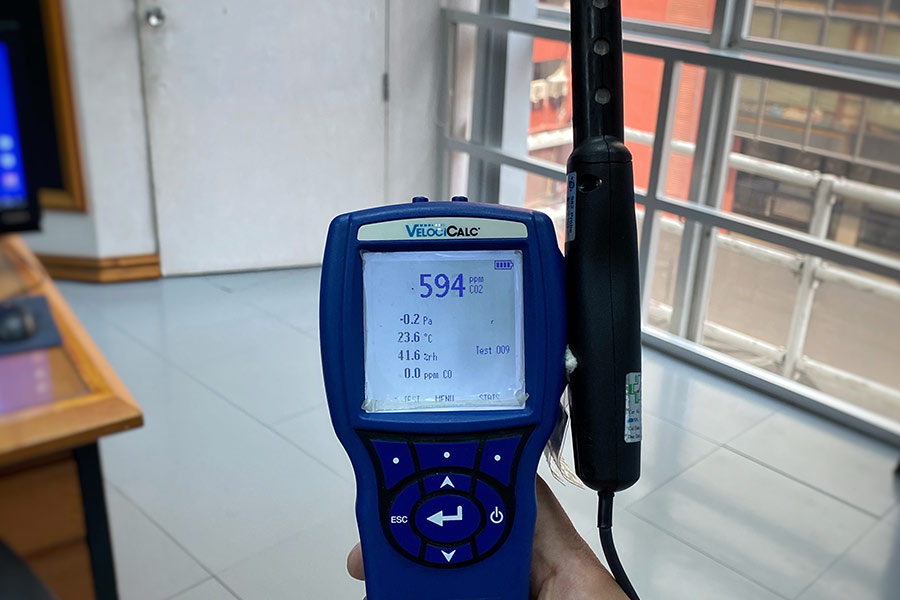
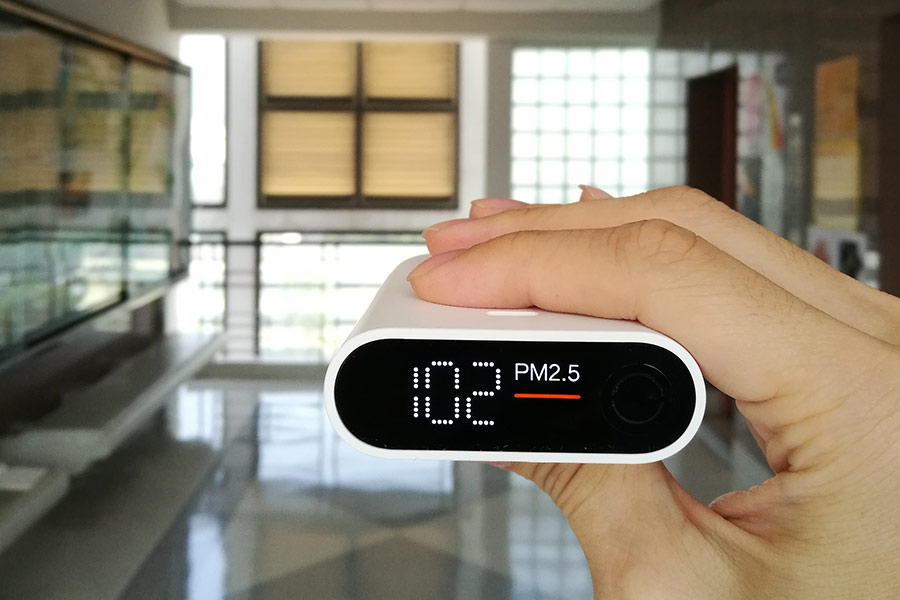
Consumer air quality monitors can track particulates, humidity, and VOCs, and every home should have carbon monoxide detectors. For a complete picture, a professional evaluation can identify specific sources and recommend targeted solutions.