

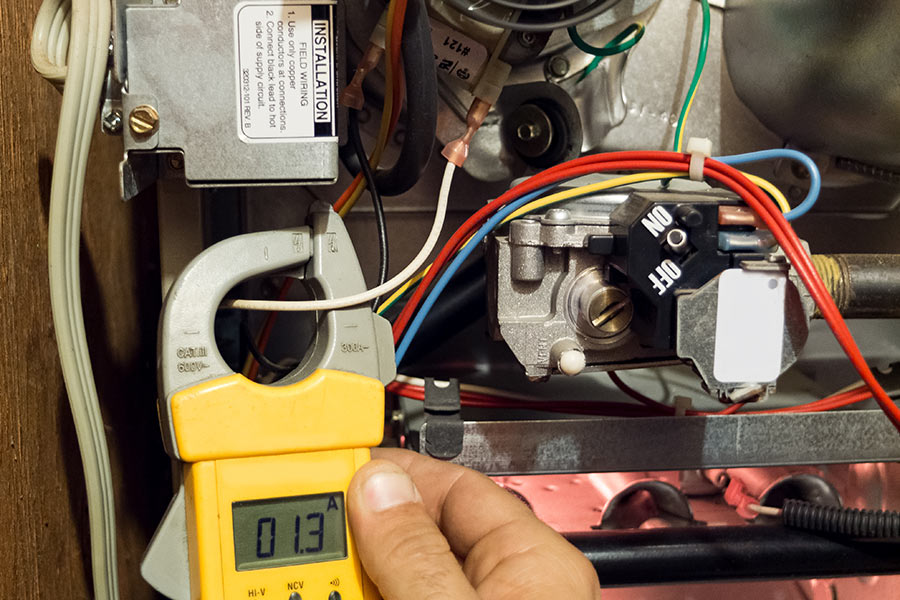
Imagine your furnace as the heart of your home, pumping warmth through every room, only to falter when you need it most. You don’t have to feel powerless against unexpected furnace issues. Many common problems, like a unit that won’t turn on or inadequate heat production, can be resolved with DIY effort. Checking the thermostat, replacing dirty filters, and inspecting circuit breakers are just a few steps. Let’s explore the top ten furnace problems and how to fix them to keep your home comfortable and efficient without always calling a professional.
Furnace Won’t Turn On
Troubleshooting a furnace that won’t turn on starts with checking the thermostat settings. Verify it’s set to ‘heat’ and the temperature is higher than the current room temperature. If it’s battery-operated, replace the batteries. Next, inspect the circuit breaker for tripped switches and reset them if necessary. Examine the furnace’s power switch near the unit and ensure it’s turned on. Confirm the furnace door is securely closed, as some models have safety switches that prevent operation if the door is ajar. Finally, check if the pilot light is lit or the electronic ignition system is functioning. Addressing these common issues can often resolve the problem and get your furnace running smoothly again.
Inadequate Heat Production
Check the air filter for clogs or obstructions if your furnace isn’t producing enough heat. Dirty filters restrict airflow, causing the furnace to work harder and produce less heat. Replace the filter if it’s dirty. Next, confirm the thermostat is set to “heat” and that the temperature is correctly adjusted. Sometimes, a thermostat calibration issue can cause inadequate heating. Check the vents and registers to confirm they’re open and unobstructed. Blocked vents impede heat distribution. Inspect the blower motor; it may need lubrication or replacement if it’s not functioning correctly. Finally, verify that the gas valve is open if you have a gas furnace. A closed valve means no fuel for heating.
Frequent Cycling
Frequent furnace cycling often indicates issues like a faulty thermostat, poor airflow, or an oversized heating system. Addressing these problems helps maintain comfort and efficiency in your home. First, check your thermostat settings and verify they are functioning correctly. Replace the batteries if necessary and recalibrate them if needed. Next, inspect your air filter. A clogged filter restricts airflow, causing the furnace to cycle more frequently. Replace or clean it regularly.
- Thermostat issues: Verify correct settings and proper functioning.
- Airflow problems: Replace or clean air filters.
- System sizing: Consult a professional to verify your furnace is appropriately sized.
These steps will help you troubleshoot frequent cycling and improve your furnace’s performance.
Noisy Furnace
A noisy furnace often indicates underlying issues such as loose components, a failing motor, or ductwork problems that need immediate attention. Start by turning off the stove and inspecting the blower motor. Tighten any loose bolts or screws. If you hear a high-pitched squeal, lubricate the motor bearings. For banging noises, check the ductwork for loose connections or obstructions and secure them. Rattling sounds could mean loose panels; tighten them up. Confirm the blower wheel is balanced and free from debris. If the noise persists, the motor might fail and need replacement. Always prioritize safety and consult an HVAC professional if you’re unsure. Addressing these issues promptly guarantees your furnace operates smoothly and quietly, enhancing comfort and reliability.
Pilot Light Issues
Troubleshoot pilot light issues by first verifying the flame is steady and blue, indicating proper function. If the flame is yellow or flickering, it might signify a problem. Here’s how you can address common pilot light issues:
- Clean the Pilot Orifice: Dirt and debris can obstruct the orifice, causing the flame to weaken or go out.
- Check the Thermocouple: This safety device detects the pilot flame. If it’s dirty or misaligned, the gas valve will shut off.
- Inspect Gas Supply: Verify that the gas valve is open and that gas flows correctly to the furnace.
Blower Continuously Runs
Once you’ve confirmed the pilot light is functioning correctly, you might encounter an issue where the blower continuously runs, indicating a potential problem with the limit switch or thermostat. First, check the limit switch on the furnace’s plenum. This switch prevents the furnace from overheating. If it’s malfunctioning, reset it by pressing the reset button. If the blower still runs constantly, the limit switch may need replacing.
Next, verify your thermostat fan setting isn’t set to ‘On.’ Switch it to ‘Auto’ to see if this resolves the issue. If the problem persists, inspect the wiring connections between the thermostat and furnace. Loose or frayed wires can cause continuous blower operation, but enrolling in regular maintenance plans can help prevent these issues and ensure everything runs smoothly.
Thermostat Malfunctions
When your furnace isn’t working correctly, a malfunctioning thermostat is often the culprit and should be inspected first. Start by checking the thermostat’s settings to verify it’s on the correct mode and temperature. A few common issues to look for include:
- Incorrect settings: Verify that the thermostat is set to ‘heat’ and above room temperature.
- Dead batteries: Replace the batteries if the display is blank or unresponsive.
- Dirty components: Clean the thermostat housing and internal components to verify accurate readings.
Dirty Filters
A dirty filter can significantly impede your furnace’s efficiency, causing it to overheat and shut down. To resolve this:
- Locate the filter compartment, typically near the blower.
- Turn off the furnace before opening the compartment.
- Remove the old filter and check its condition. If it’s clogged with dust and debris, replace it with a new one of the same size and type.
Regularly changing filters every 1-3 months maintains ideal airflow and performance. This simple maintenance task extends your furnace’s lifespan and improves indoor air quality. Always refer to your furnace’s manual for specific instructions, guaranteeing you serve your household effectively and safely.
Unusual Smells
Aside from replacing dirty filters, addressing unusual smells emanating from your furnace is critical for maintaining a safe and efficient heating system. If you notice any odd odors, act promptly to guarantee the safety and comfort of your home. Here are three familiar smells and their potential causes:
- Burning Dust: This usually happens when the furnace is turned on after a prolonged inactivity. It should disappear within a few hours.
- Electrical Burning: This could indicate an overheated motor or wiring issue. Turn off the furnace and inspect it immediately.
- Rotten Egg Smell: This is a sign of a gas leak and requires immediate attention. Evacuate your home and contact your gas company.
Tripped Circuit Breaker
If your furnace stops working, check the tripped circuit breaker to diagnose and resolve the issue efficiently. Head to your electrical panel and locate the breaker labeled ‘furnace.’ If it’s in the ‘off’ position or between ‘on’ and ‘off,’ it’s tripped. Switch it entirely to ‘off,’ then back to ‘on.’ This should restore power. If the breaker trips again immediately, there may be a short circuit or overload. Inspect the furnace wiring for visible damage. Verify no other high-power devices share the same circuit. If everything looks fine and the breaker still trips, it’s time to call a professional. Addressing electrical issues promptly verifies your furnace operates safely and reliably, keeping your home warm and comfortable.
Conclusion
By tackling these common furnace issues yourself, you can save time and money while ensuring your home’s comfort. Don’t worry if you’re not a DIY expert—these straightforward solutions require only basic tools. Remember, maintaining your furnace improves efficiency and extends its lifespan. So, immerse yourself and address these problems head-on; you’ll be surprised how capable you are at keeping your heating system running smoothly.
Frequently Asked Questions
How Often Should a Furnace Be Serviced?
You should service your furnace annually. Regular maintenance guarantees efficiency, prevents breakdowns and extends its lifespan. Doing this will keep your heating system reliable and safe for those you serve, especially during colder months.
What Is the Average Lifespan of a Furnace?
The average lifespan of a furnace is 15 to 20 years. Regular maintenance can extend its life and ensure efficient operation. To serve your clients effectively, you should monitor performance and schedule annual check-ups.
Can I Install a Furnace Myself?
Can you install a furnace yourself? While it’s theoretically possible, it’s not recommended. Professional installation guarantees safety, efficiency, and compliance with regulations. You’ll serve others better by hiring experts to handle this complex task.
How Much Does It Cost to Replace a Furnace?
Depending on the type and efficiency, replacing a furnace costs between $2,500 and $7,500. Labor and additional materials can increase this. Always consult professionals to guarantee you get the best for your specific needs.
What Size Furnace Do I Need for My Home?
Finding the right furnace for your home hinges on heating capacity. Calculate cubic feet, consider climate conditions, and consult a professional. This guarantees you pick a perfectly powerful unit that will provide comfort and efficiency for those you serve.