

Heat & Energy Recovery Ventilator Installation in Richmond Hill, GA
- Last Updated: August 25, 2026
- Priority Scheduling
- Repair Discounts
- 21 Point Inspection
- Warranty
Contact Us
Sealing your home tight enough to save on energy bills sounds great, until that same seal traps stale air, excess moisture, and indoor pollutants inside with nowhere to go. That’s a real challenge here in Richmond Hill, where humidity and heat already strain your home’s air quality. Heat and energy recovery ventilators solve this problem by bringing in fresh outdoor air while pushing stale indoor air out, all without wasting the energy you’ve already paid to heat or cool. Georgia Air Conditioning & Heating Repair installs both ERV and HRV systems designed to keep your home breathing easy year-round.
Our Services:
What Your Neighbors Are Saying About Us
What Is a Heat or Energy Recovery Ventilator
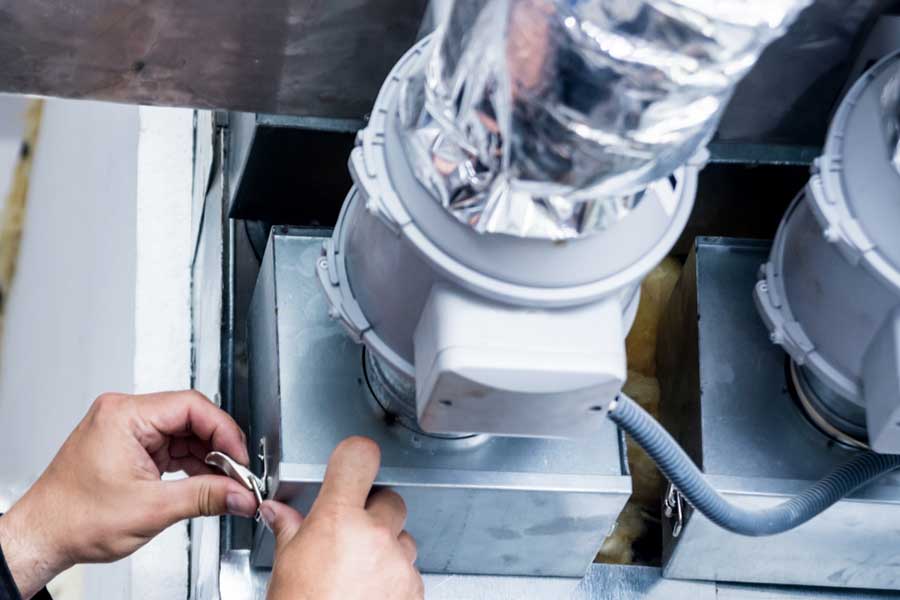
A heat or energy recovery ventilator is a mechanical system that continuously exchanges stale indoor air for fresh outdoor air. As the two air streams pass each other inside the unit, heat energy transfers from one to the other, so you’re not losing the conditioned air you’ve already paid for every time fresh air comes in.
This matters more than most homeowners realize. Modern homes are built tighter than ever, which is great for energy efficiency but not so great for air quality. Without proper ventilation, pollutants, odors, and excess humidity build up indoors, with nowhere to escape. A recovery ventilator gives your home a steady supply of fresh air while keeping your energy bills in check, which is especially valuable during Richmond Hill’s long, humid cooling season.
ERV vs HRV: Which System Fits Your Home
Energy recovery ventilators and heat recovery ventilators both exchange indoor and outdoor air, but they handle moisture differently. An HRV transfers heat between the two air streams while doing little to humidity. An ERV goes a step further by transferring both heat and moisture, helping balance humidity levels between the inside and outside air.
For most homes in our coastal Georgia climate, an ERV is the better fit. Since outdoor humidity here runs high for much of the year, an ERV helps keep that moisture from being pulled indoors along with the fresh air. Homes in drier or colder climates often favor HRVs, since moisture transfer matters less when the outdoor air is already dry.
The right choice really comes down to your home’s specific setup, your existing HVAC system, and how your household uses the space. Our technicians walk you through these factors during an in-home assessment before making a recommendation.
How Your Home Benefits From Balanced Ventilation
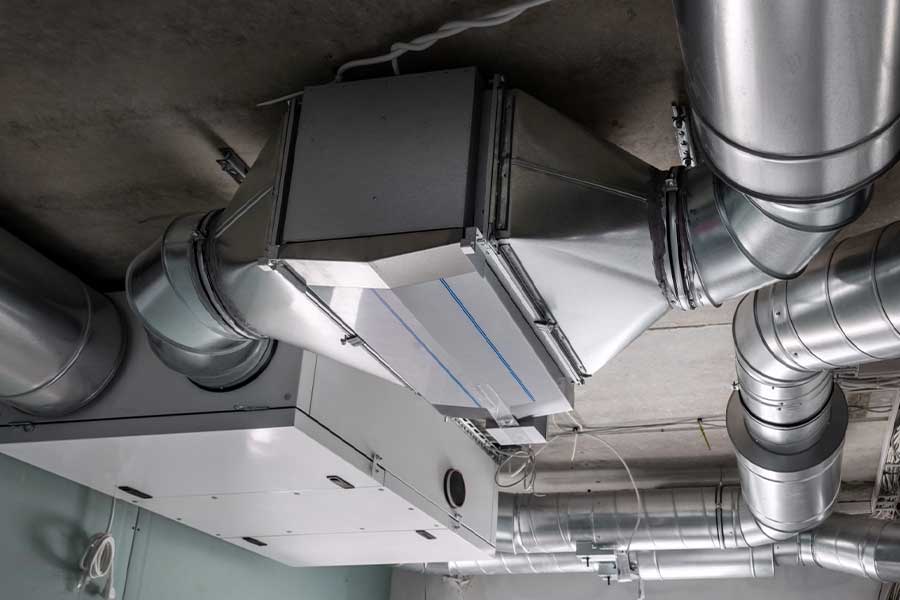
Balanced ventilation does more than just refresh the air in your home. It actively removes indoor pollutants such as cooking odors, cleaning chemical fumes, and airborne allergens that build up over time in a tightly sealed house. That means noticeably better air quality for everyone living there, especially anyone dealing with allergies or respiratory sensitivities.
Beyond air quality, these systems help manage humidity more effectively, which matters greatly in a coastal climate like Richmond Hill. Lower indoor humidity means less risk of mold growth, fewer musty odors, and less strain on your air conditioning system during peak summer months. Your HVAC equipment also tends to run more efficiently when it isn’t fighting excess moisture in addition to temperature control.
There’s also a comfort factor that’s easy to overlook. Homes with proper ventilation feel fresher and less stuffy, without the drafts or energy waste that come from simply cracking a window. You get the fresh air your home needs without giving up the efficiency you’ve worked to build in.

Our Approach to Heat & Energy Recovery Ventilator Installation
Every installation starts with a thorough assessment of your home, including its size, current ductwork, and existing HVAC system. We use this information to complete a detailed load calculation, which helps us recommend a properly sized unit rather than guessing at what might work. Getting this step right makes a real difference in how well your system performs down the road.
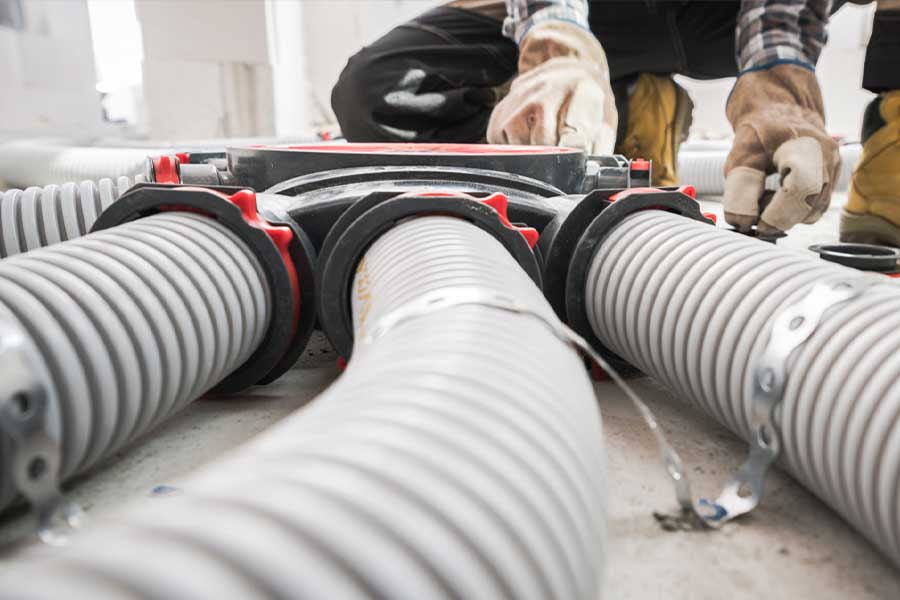
From there, our NATE-certified technicians handle the full installation process, integrating the new system with your existing ductwork whenever possible. We take care to route fresh air intake and exhaust properly, since placement affects both performance and efficiency. Once the unit is installed, we test it thoroughly to confirm it’s balanced correctly and operating the way it should.
Before we wrap up, we will walk you through how your new system works and what to expect going forward. We want you to feel confident using your ventilator, not just aware that it’s there.
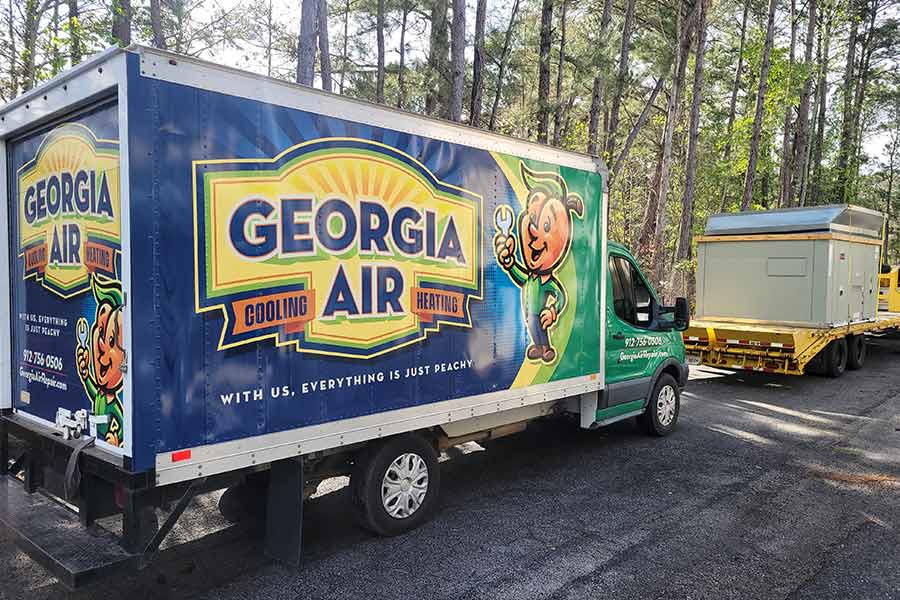
Why Choose Georgia Air Conditioning & Heating Repair
Homeowners across Richmond Hill count on us for honest work and lasting comfort. Here’s what makes us different.
- 24/7 emergency HVAC repair
- Detailed load calculations before installation
- NATE-certified technicians on every job
- Upfront pricing with no hidden fees
- Outstanding warranty protection
- Membership program with 21-point inspection
- Genuine Southern hospitality
We show up ready to do the job right the first time, every time.
Frequently Asked Questions
Do I need an ERV or an HRV for my home?
Will a recovery ventilator increase my energy bills?
Can a recovery ventilator help with humidity problems?
How long does installation typically take?
Is a recovery ventilator necessary if my home already has good air conditioning?

Areas We Serve
- Chatham County
- Effingham County
- Georgetown
- Hinesville
- Liberty County
- Midway
- Pooler
- Port Wentworth
- Richmond Hill
- Rincon
- Savannah
- Skidaway Island
- Tybee Island
- Wentworth
- AC Repair
- Furnace Repair
- Wilmington Island
- Whitemarsh Island